
 English


Top 20 Things to Know Before Visiting Spain
With its flamenco dancing, siesta-filled afternoons, tapas-style dining, and loud football matches, Spain has something for everyone. However, I believe there are a few key things you should know before your Spanish adventure. As a travel enthusiast, I’ve put together this article to highlight the most important information to help you plan your perfect Spanish getaway.
Whether you want to see Gaudi‘s fantastical architecture in Barcelona, feast on paella in Valencia, or party all night in Ibiza, you will learn crucial planning details from currency to attire to safety. Let me guide you on how to make your trip to Spain the magical experience you’ve always imagined! With its rich history, vibrant culture, and stunning landscapes, Spain offers an unforgettable experience for travellers. Here are the top things to know…
1. In Spain Card is King!

Photo by on
Spain has largely gone cashless over the last decade, especially across well-touristed cities like Barcelona, Madrid, and the vacation hotspots of San Sebastián and Ibiza. From securing your hotel stay to indulging in a seaside paella feast, debit and credit cards serve as the convenient and safe payment standard. However, having some spare Euro coins on hand often comes in handy for tipping musicians or street performers, the odd establishment yet to modernize, or public washrooms. Just don’t expect Spanish taxi drivers or wait staff to have change for large bills very often. Embrace the ease and security of paying electronically instead wherever possible.
2. Pack for the Weather

Photo by on
While postcard images of sunny Spain come to mind, the weather across its diverse landscapes proves far more variable. Northern coastal regions like the verdant Basque Country and rugged Asturias see four distinct seasons. Frigid winds whip off the Bay of Biscay through fall, winter, and even early spring.
So don’t rely solely on T-shirts and shorts when packing. Bring layers to bundle up in along with gloves, hats, and warm socks during the cooler months. Temperatures often fluctuate rapidly as well, requiring peeling off or adding on layers as cloud bursts come and go. Prepare for anything nature throws your way.
3. Choose Your Time to Visit Madrid Wisely
While Madrid entices visitors year-round with its trove of world-class museums like the Prado, spectacular architecture ranging from Moorish to modern, celebrated food scene, and electric nightlife, August brings special challenges. The late summer sun scorches the city, driving temperatures well over 100°F (38°C) on all too many days.
Locals escape to the nearby mountains or Atlantic beaches if their schedules allow. Many restaurants, stores, and attractions scale back their hours as well, leaving the city almost eerily quiet at times. For the best experience, consider saving an exploration of Spain’s historic capital for the far more comfortable spring and autumn months, if you can.
4. Feast Across Spain through Tapas

Image by from
Beyond the global fame of paella and sangria, no Spanish tradition better captures the national zest for life than tapas culture. These small yet sublime bites of flavor offer the perfect excuse to go bar hopping from eatery to eatery, be it in Madrid, Seville, San Sebastián, or Barcelona. Stroll like a local and graze your way through the cities by mixing up your selections – from ice-cold gazpacho shots to garlicky gambas al ajillo (shrimp) to jamón ibérico on crusty bread. This roving feast offers hungry visitors the perfect introduction to Spain’s incredible culinary diversity. With so many tempting tapas, you’ll want to take your time and savour the unique regional specialities of each spot.
5. Consider learning Basic Spanish Phrases
While many locals working in Spain’s major tourist centers and cities can speak at least basic English, brushing up on key Spanish phrases vastly enriches the cultural experience for visitors. Beyond a warm “Hola!â€� greeting and “Gracias!â€� for thank you, know basics like asking for the check (“La cuenta por favorâ€�) earns appreciation.
As the language differs across Spain’s autonomous regions, you may also pick up some Catalan, Galician, or Basque as you explore. Either way, the attempt to connect through language pays dividends in return smiles and richer interactions.
6. The Spanish Dine at their own Pace

, , via Wikimedia Commons
In sharp contrast with the Western fixation on rushed dining, Spaniards embrace a leisurely schedule around sharing plates through long evenings. Rather than racing to fill a few stolen hours between work and sleep, feast at Spain’s pace. Dinner rarely emerges from most kitchens before 9 pm, especially in the heat of summer.
As social joys underpin eating out, savor a four-course journey, raise glasses for rousing toasts, and lose track of time indulging in animated conversations around the table. Forget other deadlines and commitments – tonight belongs wholly to fresh seafood, hearty paella, savory tapas, and fine Spanish wines in joyful company.
7. The Siesta (a midday break) is Still Observed in Some Places
While the endless working week defines existence in much of the Western world, many Spaniards hold firm to the tradition of the midday siesta. Between the hours of 2 pm and 5 pm, much urban life drifts to a standstill, especially in summer. Smaller shops, independent stores, and family-run restaurants will lower their shutters during these hours.
While visitors may find it frustrating at first, embrace using this time yourself to escape the heat of the afternoon. Take a much-needed nap, leisurely lunch, stroll through a shaded park, or dip into a museum devoid of crowds. Let the cities breathe and reset. They’ll swing back to life before dinner.
8. Plan to Experience Local Festivals
Beyond superb sights, architecture, food, and picturesque landscapes, every season brings a host of incredible, one-of-a-kind festivals across Spain. From the explosive, messy thrill-seeking of La Tomatina‘s tomato fight in Buñol to hauntingly beautiful Semana Santa (Holy Week) processions, each region celebrates its heritage. Don your best threads or costume and lose yourself to music, dance, flowing wine, local delicacies, and new friendships against an unforgettable backdrop.
Whether joining in the tide of merriment or simply watching from the sidelines, make witnessing Spain’s vibrant festivals and local traditions a highlight. These celebrations capture the true soul of communities and deserve a spot on any Spanish itinerary.
9. Spain is Generally Safe
While most major destinations within Spain are generally safe for visitors, it pays to exercise common sense precautions as with any foreign travels. Particularly watch your belongings around crowded venues teeming with tourists prime for pickpockets, such as busy Metro platforms, open-air markets, concert halls, and major attractions.
Secure valuables in internal coat pockets or bags kept close rather than loose outer ones prone to stealthy hand-dippers. Stay alert rather than distracted as well when navigating solo at night or withdrawing cash alone. Otherwise, relax and soak up the vibrant energy of Spain knowing a little added awareness goes a long way.
10. Spain has an Efficient and Reliable Multi-Modal Public Transport System
Visitors can easily traverse Spain through an efficient, accessible, and eco-friendly public transportation web integrating trains, buses, and metros. Whether zipping on a speedy AVE train between Madrid and Barcelona or catching buses winding through the Pyrenees, rely on the extensive transit network to minimize car rentals.
Use Spain’s world-class infrastructure to create a sustainable itinerary across diverse landscapes both urban and rural. Purchase passes or book in advance online when possible, to save money and hassle. Then settle in to watch epic scenery flash past your window as you briskly jump between celebrated cities and charming villages well off the heavily touristed track.
11. Discover Spain’s Authentic Charm Beyond Cities

, , via Wikimedia Commons
As wondrous as famed Spanish cities like Barcelona, Madrid, and Seville prove, the country overflows with charm waiting to be found beyond urban borders as well. Consider building stops into an itinerary that balances big sights with rural delights. The further you wander from crowded plazas and snap-happy throngs, more intimate encounters emerge to create lasting memories.
Lose yourself down winding cobblestone lanes of hilltop medieval towns unchanged for centuries or village markets exploding with the seasons’ freshest local produce. Watch the Spanish passion for food and community unfold through feasts celebrating generations of traditions. Finding these authentic experiences may demand extra effort but offers glimpses into life little influenced by outside world.
12. Include Spain Architectural Gems in your Itenarary

, CC0, via Wikimedia Commons
Just as terrain shifts dramatically across Spain’s autonomous regions, artistic marvels dot the landscape showcasing an array of influences. Moorish palaces like the Alhambra complex, gothic masterworks including Burgos Cathedral, modernist visions in Antoni GaudÃ’s surreal Park Güell, and the ever-evolving Sagrada Familia basilica reveal creating captivating beauty remains a national pastime.
Beyond architecture, artistic geniuses like El Greco, Goya, Velázquez, and Picasso built the foundations of entire movements through pioneering paintings and sculpture. Schedule ample time to trace Spain’s interwoven cultural history threaded through these testaments crafted across the ages. Appreciate the grandeur or intimate details of works both iconic and yet undiscovered.
13. Local Food and Wine Culture is Worth Savouring

Photo by on
An exploration of Spain quickly becomes a movable feast thanks to renowned culinary excellence rooted in regional traditions. While paella and tapas enjoy global fame, each province showcases signature dishes and styles waiting to be savored slowly. Treat meals as the events they represent to locals rather than rushed pitstops. Linger over shared plates and raise glasses of terroir-driven wines like the velvety, oaked reds of Rioja or mineral-laced, elegant Priorat.
Take time as well to visit insider producers lingering off the heavily touristed routes. Pair beloved staples like jamón ibérico ham or the freshest Mediterranean catch of the day with emerging organic wineries. Gradually mapping Spain through its diverse gastronomic delights proves mutually delightful for visitor and host alike.
14. Respect Spanish Cultural Norms
Stepping into Spain offers visitors not just awe-inspiring history and scenery but a passionate culture steeped in tradition as well. Forms of greeting mark just one facet where norms differ abroad. Rather than quick handshakes or casual waves, expect warm cheek kisses between both close friends and new acquaintances in social situations.
Additionally, allow a respectable radius of personal space until others step nearer – crowding breeds discomfort. Look to locals for unspoken cues around these subtle customs. Embracing local manners conveys respect, ensures others feel at ease, and enhances the visitor’s cultural experience. Soon these practices feel natural, forging bonds through openness to regional differences.
15. Spain’s Historic Sites are a Sight to behold

, , via Wikimedia Commons
Leave enough flexibility in Spanish itineraries to wander alluring sites beyond the spotlight glare constantly fixed on Barcelona, Madrid, and Granada. Spain overflows with breathtaking history patiently waiting to be unearthed by those who venture further. Explore Toledo’s medieval maze of cobblestone lanes, trace three faiths coexisting within ancient Segovia, or lose yourself in °äó°ù»å´Ç²ú²¹’s atmospheric labyrinth of patios exploding in flowers.
Each pocket hides extraordinary influences woven over centuries of shifting rule. Seek out these miracles of diverse architecture and enduring cultural fusion. Choose local guesthouses as bases from which to uncover Spain’s rich heritage thriving quietly in the charming historic cities continuing to survive off the heavily-beaten tourist tracks.
16. Familiarise Yourself with Spanish Meal Times
One major adjustment many visitors initially struggle with relates to Spanish dining times, which stretch mealtimes later than in other Western cultures. Restaurants rarely open for lunch until 2 pm as city denizens work straight through the mornings.
Similarly, families rarely sit down for leisurely, late-evening cenas much before 9 pm – even allowing for customary pre-dinner tipples and tapas at countless lively bars in between. Embrace these rhythms. Let mealtimes become fluid social events savored at relaxed Spanish pace rather than squeezed in as rushed pit-stops between other commitments.
17. Put up Your Dancing Shoes to Experience the Passion of Flamenco
No Spanish experience proves complete without catching a live flamenco performance! While casual shows entertain tourists in bars across Andalusia, seek out serious venues showcasing intricate footwork drawing on complex Roma, Jewish, and Moorish influences. Feel the floors shake as dancers fluidly build rhythms.
Hear plaintive songs of deep sorrow then joy resonate to guitar strumming and handclaps. Lose yourself as powerful heady passions unfold through the arresting theatrical display. Witness, too, the striking traditional costumes flaring dramatically with each whirling turn beneath the spotlights. From its folk roots to global sensation, cap off your Spanish sojourn by unleashing your inner aficionado at an authentic flamenco showcase.
18. Make Time for Epic Day Trips
While it proves tempting to cram itineraries only full of famous Spanish cities and must-see sites, saving energy for day trips off the beaten track always rewards those hungering for authentic local discoveries. Each main hub serves as a launch pad to lesser-known gems lying just beyond the tourist masses.
From dynamic Barcelona, flee crowds temporarily to tour the breathtaking mountaintop monastery of Montserrat, explore Costa Brava fishing villages like Tossa de Mar by the azure Mediterranean, or wander vineyards carpeting the Penedès wine region rolling as far as the eye can see.
Everywhere dynamic history and Spanish culture thrive undiluted by foreign influences. Or escape crowded Seville to unwind through romantic river-straddling Ronda, immerse yourself in °äó°ù»å´Ç²ú²¹â€™s multicultural majesty, or wander tiny whitewashed Andalusian pueblos where time stands still. Always leave plans open to make your own adventure.
19. Local Markets is your Gateway to Regional Flavors

, , via Wikimedia Commons
Prepare to graze your way across Spain’s landscape through visits to sprawling city markets as exciting to the stomach as any monument or museum along your route! For fresh regional produce and artisanal local delicacies to coveted imported ingredients, bustling mercados form serious gastro destinations. Bring sturdy bags and ample appetites.
Nibble just-fried churros, silky slices of jamón ibérico de bellota, or seasonal fruit as you wander. Watch locals passionately debate qualities of flawless fish or olive oils infused with winter citrus. Then applaud street chefs theatrically fanning the flames of sizzling skillet dishes you simply must sample. From La BoquerÃa in Barcelona to San Miguel Market’s tempting stalls in Madrid, incorporate these sensational culinary experiences where Spanish culture electrically fuses.
20. Topless Sunbathing is Common in Beaches in Spain
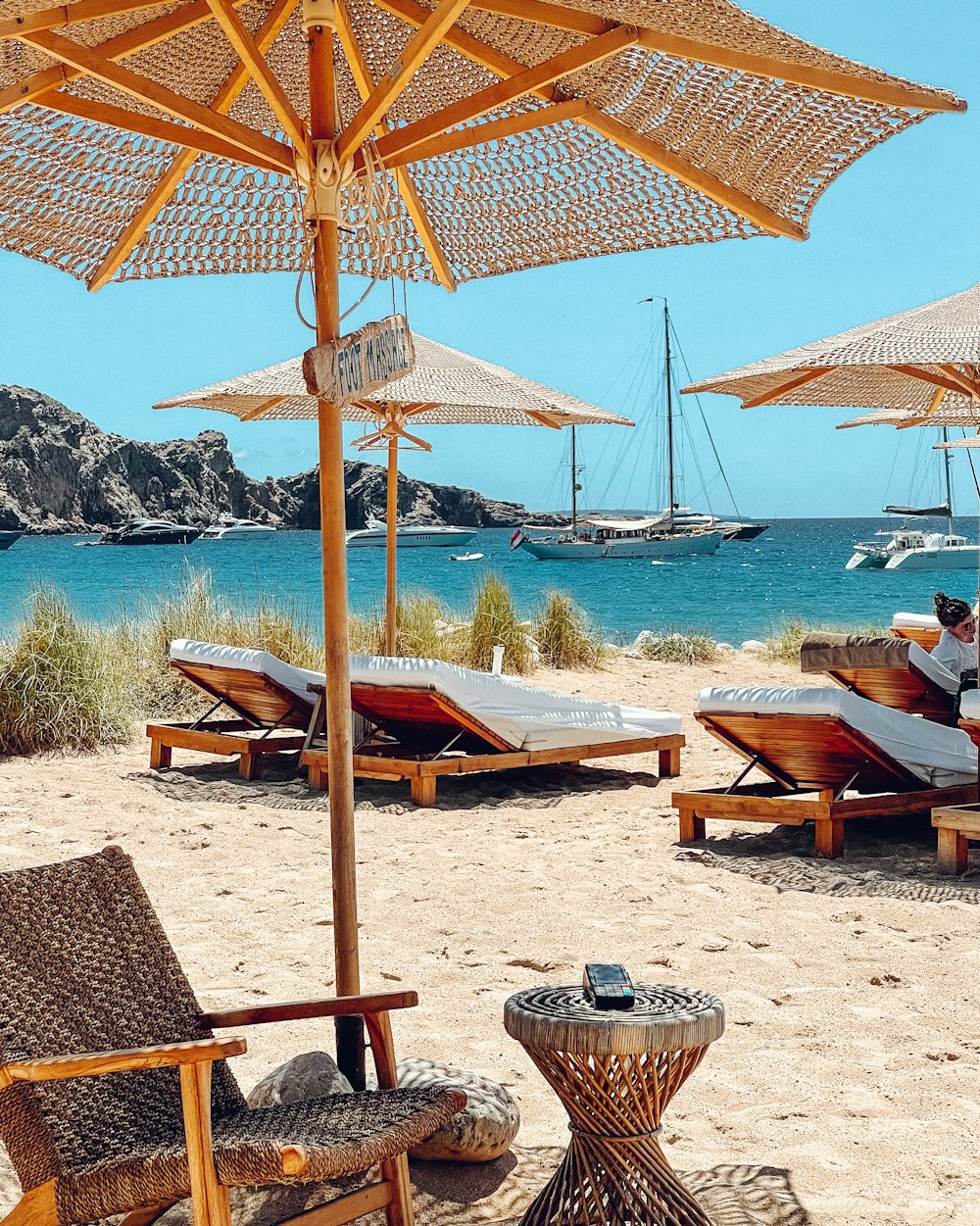
Photo by on
It comes as a surprise to many first-time visitors, but Spanish beaches freely embrace bodies of all shapes and sizes sunbathing untethered by swimwear on their sands. While going fully nude requires sticking to segregated zones sanctioned by some villages and resorts, otherwise prepare for locals regularly baring much flesh further than tops peeled off.
Before stripping down or casting judgmental glances, understand Spain’s generally more relaxed and open attitudes tied closely to embracing leisure and pleasure for mental health. Situate yourself at a comfortable distance rather than staring or photographing without permission as well. Enjoy beaches and fully recharge through sunshine, sea, and open skies.
Spain is a diverse and exciting country with much to offer visitors. From vibrant cities like Barcelona and Madrid to quiet countryside and charming small towns, there are endless opportunities for adventure. The Spanish people are warm, welcoming, and love sharing their culture with foreigners. While there are some things to keep in mind, like siesta time and different meal schedules, these cultural expressions only add to the uniquely Spanish experience. With amazing food, stunning natural landscapes, and a relaxed way of life, Spain promises an unforgettable visit full of new discoveries around every corner. Go with an open mind and appetite for all Spain has to give.
Planning a trip to Â鶹APP ? Get ready !
These are ´¡³¾²¹³ú´Ç²Ô’²õÌý²ú±ð²õ³Ù-²õ±ð±ô±ô¾±²Ô²µÂ travel products that you may need for coming to Â鶹APP.
Bookstore
- The best travel book : Rick Steves – Â鶹APP 2023 –Ìý
- Fodor’s Â鶹APP 2024 –Ìý
Travel Gear
- Venture Pal Lightweight Backpack –Ìý
- Samsonite Winfield 2 28″ Luggage –Ìý
- Swig Savvy’s Stainless Steel Insulated Water Bottle –Ìý
We sometimes read this list just to find out what new travel products people are buying.


