
 English


Image by Thomas R Machnitzki from
Top 10 Remarkable Facts about Alex Haley
Alex Haley’s life was full of remarkable accomplishments both during his lifetime and even beyond it. From being an influential writer and journalist to founding foundations devoted to preserving African American culture. He provided scholarships to aspiring writers and artists alike – it is clear that Alex Haley left behind an enduring legacy. His works continue to inspire generations today making him an important figure within our contemporary society.
Alex Haley (1921-1992) was an American writer and journalist best known for his book “Roots: The Saga of an American Family,” which was published in 1976. The book tells the story of Haley’s family, starting with the capture and enslavement of his ancestor, Kunta Kinte, in Gambia in the late 18th century and following his descendants through the generations up to Haley’s own birth. He was born in Ithaca, New York in 1921, but grew up in Henning, Tennessee. His father worked at the local post office, and his mother was a teacher. Stay on this page to learn the top 10 remarkable facts about Alex Haley.
1. Top Remarkable Fact: Alex Haley Authored Roots
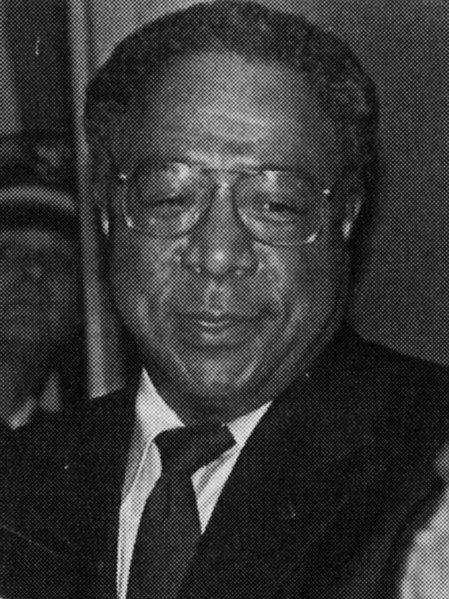
Image by University of Texas at Arlington Photograph Collection from
Alex Haley was the author of the book “Roots: The Saga of an American Family,” which was published in 1976. It took him 8 years to research and write the novel! The book tells the story of Haley’s ancestors, starting with the life of Kunta Kinte, an 18th-century African man who was captured and sold into slavery in America. “Roots” is considered a landmark work of historical and cultural significance, and it won a Pulitzer Prize in 1977.
It was also adapted into a highly successful television miniseries in 1977, which further popularized the story and increased awareness of the history of slavery in the United States. Furthermore, “Roots” was a groundbreaking work that helped to popularize the study of genealogy and family history in the United States. It was also a cultural phenomenon, inspiring a highly-rated TV miniseries in 1977 that was watched by millions of viewers and won numerous awards.
2. His Grandmother Uncovered his Family’s History
He spent most of his pre-adolescence with his grandmother, Cynthia Palmar. It was Cynthia who uncovered their family history. The author of the novel “Roots: The Saga of an American Family,” spent a significant part of his early childhood with his grandmother, Cynthia Palmer. Haley’s parents were both educators and his father, Simon Haley, was a professor of agriculture at Alabama A&M University.
When Haley was just six years old, his mother, Bertha, died and his father Simon, felt unable to care for him and his siblings while also fulfilling his professional obligations. As a result, Haley and his siblings were sent to live with their grandmother, Cynthia Palmer, in Henning, Tennessee. Haley spent the majority of his pre-adolescence with his grandmother, who had a profound impact on his life and later inspired him to research his family history, which led to the writing of “Roots.”
15 Famous African American Doctors that Changed the World.
3. Alex Haley served in the US Military

Image from Unknown Author from
He joined the United States Coast Guard in 1939 and served for 20 years, eventually achieving the rank of Chief Petty Officer. During his time in the Coast Guard, Haley worked as a journalist and writer and he continued to pursue his writing career after leaving the service. Haley quit school to join the Coast Guard, although he enlisted as a seaman, he was made to toil in the inglorious role of mess attendant. It was during his service in the Pacific Theater of Operations that Haley taught himself the craft of writing stories. He talked of how the greatest enemy he and his crew faced during their long sea voyages wasn’t the Japanese but boredom. To relieve his boredom while on the ship, Haley bought a portable typewriter and typed out love letters for his less articulate friends.
4. He Wrote for Readers Digest Magazine

Image by Readers Digest from
He was a frequent contributor to the magazine during the 1950s and 1960s, and some of his articles were later included in his book “The Autobiography of Malcolm X,” which he co-wrote with Malcolm X. One of Haley’s most famous articles for Reader’s Digest was “The Man Who Never Died,” which was published in 1957 and told the story of a man named George Washington Williams, an African American who was a soldier, journalist, and historian in the late 19th century. The article later served as the inspiration for a book that Haley wrote, also called “The Man Who Never Died.” When the full version of his novel was published in 1977, Haley wrote an article for Reader’s Digest titled “What ‘Roots’ Means to Me.â€� He discussed its success as a book, its impact on race relations and the way it inspired millions of Americans of all creeds to learn about their origins.
5. Alex Haley won the Pulitzer Prize

Image by Thomas M from
Alex Haley was awarded the Pulitzer Prize in 1977 for his book “Roots: The Saga of an American Family.” The book is a work of historical fiction that traces Haley’s family history back to the time of the African slave trade and follows the lives of his ancestors as they are brought to America and forced into slavery. “Roots” was published in 1976 and became an immediate bestseller. The book was adapted into a highly-rated television mini-series in 1977, which further popularized the story and brought issues of slavery and racial injustice to a wider audience.
Haley was awarded the Pulitzer Prize in the Special Awards and Citations category, which recognizes “distinguished examples of American journalism, letters or music” that do not fit into any of the established categories for the year. The citation for Haley’s award recognized his “vision, courage and skill in tracing the vicissitudes of slavery from Africa through eighteenth-century America.”
Get to Know the 10 Sensational Facts about Amiri Baraka. CLICK HERE
6. The Alexander Haley Farmstead Museum is named after him

Image by U.S. Cost Guards from
The Alexander Haley Farmstead Museum located near Knoxville, Tennessee and features artefacts related to his own family history alongside other notable African American figures like Frederick Douglass and Harriet Tubman. The museum is named after him as it is located on the farm where his ancestors lived and it showcases the history of the Haley family and the community in which they lived. The farmstead is a 200-acre property that includes the Haley family’s original log cabin, a replica of the original house where Alex Haley was born, a barn, a smokehouse and other outbuildings.
The museum features exhibits on the history of the Haley family and the community, including the African American experience in Tennessee. Visitors can take guided tours of the museum and the property to learn about the history and culture of the area. The museum also hosts special events throughout the year, including lectures, workshops, and cultural celebrations. The Alexander Haley Farmstead Museum is operated by the Children’s Defense Fund, which purchased the property in 1994 to preserve it as a historic site and to honour Alex Haley’s legacy.
7. The Alex Haley Foundation
The Alex Haley Foundation is a non-profit organization founded in 1999 by Alex Haley’s widow, Myrlie Evers-Williams. The foundation is dedicated to preserving and promoting the legacy of Alex Haley, an American writer and journalist best known for his book “Roots: The Saga of an American Family.” “Roots” tells the story of Haley’s family history, beginning with the capture of his ancestor Kunta Kinte in Africa and his subsequent enslavement in the United States. The Alex Haley Foundation is located in Clinton, Tennessee, and operates several programs to promote Haley’s legacy and to support literacy and education. One of the foundation’s main initiatives is the Alex Haley Scholarship Program, which provides scholarships to high school students who plan to pursue higher education. The foundation also sponsors an annual Black History Month essay contest for students in grades 9-12. The Alex Haley Foundation continues to work towards its mission of preserving and promoting the legacy of Alex Haley and his contributions to American literature and history.
8. He Wrote the Autobiography of Malcolm X

Image by AbeBooks from
Alex Haley wrote The Autobiography of Malcolm X in collaboration with Malcolm X. The book is a first-person account of Malcolm X’s life, tracing his journey from his early years in Nebraska, Michigan, and Massachusetts, to his conversion to Islam and his leadership in the Nation of Islam, and finally to his break with the organization and his assassination in 1965. The autobiography is widely regarded as a classic of African American literature and a seminal work of the Civil Rights Movement. The book chronicles the life of Malcolm X, one of the most prominent figures of the Civil Rights Movement in the United States.
The book was written and published in 1965, shortly after Malcolm X’s assassination. It is structured as a series of interviews that Haley conducted with Malcolm X over a period of two years, starting in 1963. The interviews cover Malcolm X’s early life, his time in prison, his conversion to the Nation of Islam, his rise to prominence as a leader of the organization, and his eventual break from the Nation of Islam. This book was later adapted into a movie starring Denzel Washington which won two Oscars in 1992!
15 Most Famous Black Authors of All Times.
9. He is a Presidential Medal of Freedom Recipient

Image by Thomas R from
Alex Haley received the Presidential Medal of Freedom posthumously. The award was presented by President Bill Clinton to Haley’s widow, Myran Haley. Haley was recognized for his groundbreaking literary work, including the Pulitzer Prize-winning book “Roots: The Saga of an American Family,” which brought attention to the African American experience and inspired many people to explore their own family histories. The Presidential Medal of Freedom is the highest civilian award in the United States.
It is awarded by the President of the United States to individuals who have made exceptional contributions to the security or national interests of the United States, to world peace, or to cultural or other significant public or private endeavours. The award was established by President Harry S. Truman in 1945 to recognize notable service in the war effort by civilians and military personnel during World War II. Since then, the award has been presented to hundreds of individuals from a variety of fields, including science, entertainment, sports and politics.
10. Alex Haley Copyright Infringement Debacle
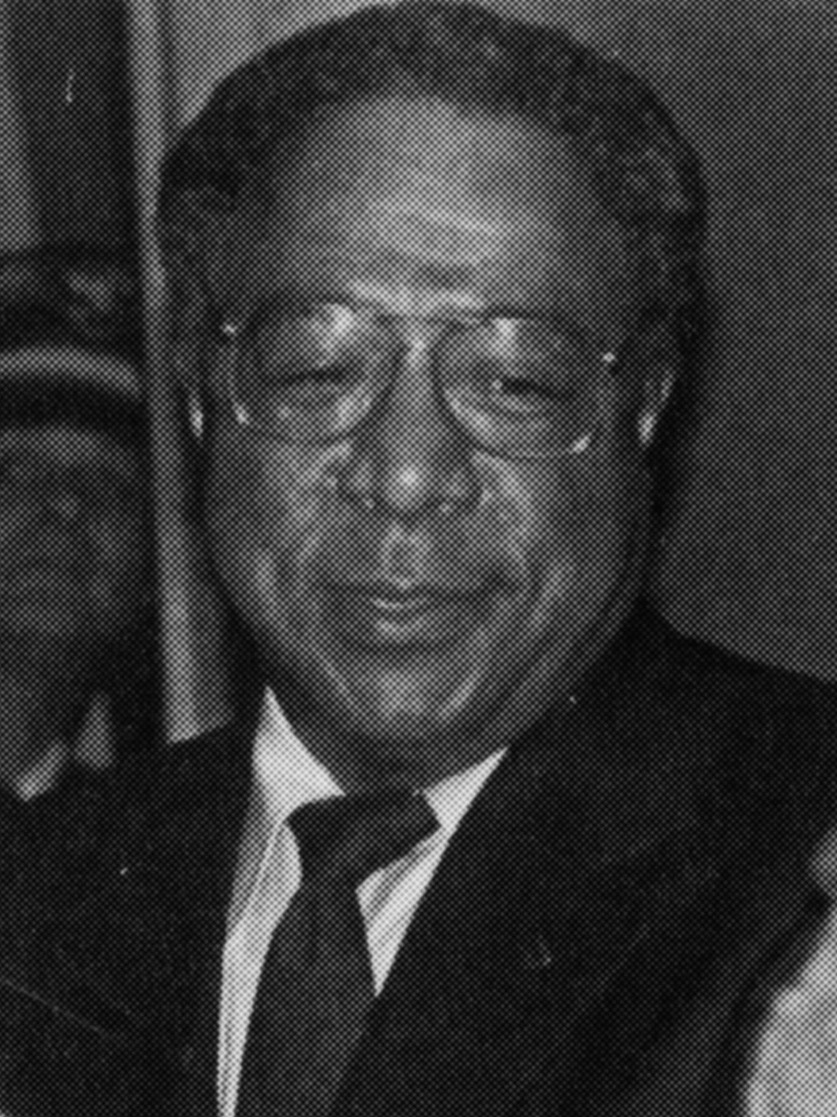
Image by University of Texas at Arlington Photograph Collection from
In 1978, author Harold Courlander filed a copyright infringement lawsuit against Alex Haley, claiming that Haley had copied extensively from Courlander’s 1967 book “The African” in writing his own book “Roots: The Saga of an American Family”. Courlander argued that Haley had copied over 81 passages from “The African” without permission or attribution. The case went to trial in a federal district court in New York, and the judge found that Haley had indeed taken material from “The African” without proper attribution. The judge ruled that there was “substantial” copying and that Haley had been “careless” and “negligent” in his use of Courlander’s work.
Haley settled the case with Courlander for $650,000 and issued a statement acknowledging that he had inadvertently used some material from “The African” without proper attribution. The plagiarism controversy surrounding “Roots” was a major scandal at the time, and it raised important questions about the ethics of borrowing from other writers’ work. The case also prompted many authors and publishers to take a closer look at their own practices and adopt stricter guidelines for avoiding plagiarism.
Planning a trip to Â鶹APP ? Get ready !
These are ´¡³¾²¹³ú´Ç²Ô’²õÌý²ú±ð²õ³Ù-²õ±ð±ô±ô¾±²Ô²µÂ travel products that you may need for coming to Â鶹APP.
Bookstore
- The best travel book : Rick Steves – Â鶹APP 2023 –Ìý
- Fodor’s Â鶹APP 2024 –Ìý
Travel Gear
- Venture Pal Lightweight Backpack –Ìý
- Samsonite Winfield 2 28″ Luggage –Ìý
- Swig Savvy’s Stainless Steel Insulated Water Bottle –Ìý
We sometimes read this list just to find out what new travel products people are buying.


