
 English


10 Worst Natural Disasters in the History of Arizona
Stunning deserts, breathtaking landscapes and a wide repertoire of cultural history are what Arizona is known for. Just like any other region of the world Arizona has also been hit hard. Sadly natural disasters have visited the Grand Canyon State from time to time. From wildfires, and flash floods to severe droughts Arizona has seen it all. The effect of Mother Nature’s wrath has been devastating, to say the least. Property and infrastructure were damaged, lives lost and the state’s economy and ecology are still recovering. We can learn more about the power and unpredictability of nature as well as the significance of disaster preparedness and response in reducing their effects by studying these events. In the history of Arizona, these are the 10 worst natural disasters.
More About Arizona: 15 Great Facts about Arizona.
The Worst Floods in Arizona
Yuma Flood – 1916
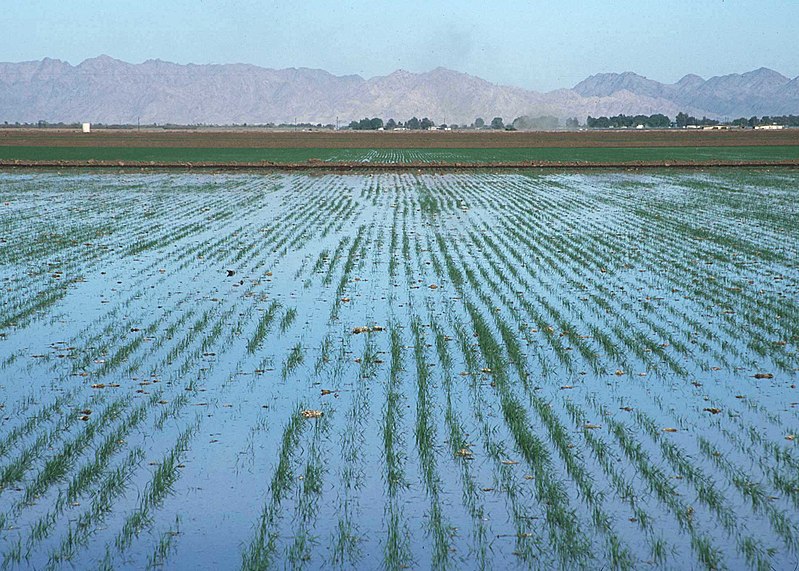
Image by H2O-C from
Yuma, Arizona, a town in the southwestern United States, was badly affected by a flood in September 1916. Heavy rainfall in the upper Colorado River Basin and melting snow from the mountains caused a significant rise in the Colorado River. The river broke through its levees on July 17, 1916, sending a wall of water through Yuma. The city was completely submerged as the flood waters were higher than 15 feet in some places. In addition to causing extensive damage to homes and buildings, the flood resulted in death and displaced thousands of people.
The flood’s aftermath was a long and difficult time for Yuma residents. The flood altered the course of the Colorado River, requiring significant engineering efforts to control it and the reconstruction process took years. One of the worst natural disasters in American Southwest history, the 1916 Yuma Flood serves as a reminder of the power and unpredictability of nature today.
Phoenix Floods – 2014

Image by Mathew Komel from Wikimedia
In September 2014 Phoenix metropolitan area was hit with a series of flash floods i.e. the Phoenix Floods. The remnants of Hurricane Odile, which brought heavy rain to the region, were the cause of these floods. The effects of the flood were amplified because they occurred in an urban area with a large population. Homes, businesses, and infrastructure were damaged. There was no power or clean water for the thousands stranded by floods. Over $11 million in damage was caused by the floods in Phoenix itself. New River, was the hardest hit as the floods completely cut it off and the only way to rescue the residents was by helicopter. The flood victims received support from the business community and volunteers. The city authority came up with infrastructure to mitigate flooding.
Related Read: 10 of the Deadliest Natural Disasters that Happened in the US.
Arizona’s Worst Wildfires
Rodeo-Chediski Fire – 2002

Image by Jesse Allen, based on data courtesy Landsat 7 Science Team, NASA GSFC from
The Rodeo–Chediski Fire was the worst forest fire in Arizona’s recorded history until when the Wallow Fire surpassed it. The total cost of the damage was estimated to be over $400* million. The Rodeo fire was set by a seasonal firefighter looking for work while the Chediski was set by a stranded quad rider who was signalling for help. What began as two separate blazes, merged into one monstrous wildfire. The fire quickly spread due to hot, dry conditions and strong winds.
Over 100,000 acres burned in a single 24-hour period and the combined fire burned for 60 days. The impact of the Rodeo-Chediski Fire was significant, both ecologically and economically. The fire destroyed a large area of forest, affecting wildlife habitats and disrupting ecosystems. Power and water supplies were interrupted. The tourism industry was adversely affected since the forests were the attraction. Smoke from the fire was visible as far away as New Mexico and Colorado a pointer to how big the fire was.
Wallow Fire – 2011

Image by Gila National Forest from
The Wallow Fire was named for the Bear Wallow Wilderness area where the fire originated. The Wallow Fire was a complex and challenging blaze to fight, due to the rugged terrain, high winds, and dry conditions. The fire was fueled by thick stands of ponderosa pine, mixed conifer, and spruce-fir forest. The flames leapt from treetop to treetop, creating a “crown fire” that was difficult to control. The fire was fully contained on July 8, 2011, after a month of firefighting. The environmental impact of the Wallow Fire was significant.
The fire destroyed critical habitats for numerous wildlife species, including the Mexican spotted owl, the Apache trout, and the black bear. The fire also burned through important watersheds, which can have long-term effects on water quality and quantity. The impact on the local economy was also significant, as the fire’s cost of damages was estimated to be over $109* million. Over 538,000 acres of land were burnt.
Related Read: 10 Mot Devastating Fires in the United States of America.
Yarnell Hill Fire – 2013

Image by Kurt Florman from
The Yarnell Fire was caused by a lightning strike and burned a hilly terrain adjacent to the town of Yarnell, AZ. Fueled by high winds and dry conditions, the fire grew rapidly to one of the most destructive wildfires in Arizona’s history. The Granite Mountain Hotshots team of 19 firefighters were sent to the area to help contain the fire. The Hotshots worked tirelessly for several hours, digging fire lines and trying to contain the blaze.
The Yarnell Hill fire situation rapidly transitioned from a low-complexity fire to a very high-complexity fire due to the increased fire behaviour and values at risk. The firemen became trapped by the rapidly advancing flames and were unable to escape. On the afternoon of June 30, 2019, the fire consumed the lives of the firefighters. In Arizona’s history, the YH fire is the deadliest. Losing so many firemen at one go was a reminder to invest in their safety.
The Worst Storms in the History of AZ
Grand Canyon TWA Flight 800 Crash – 1978

Image by Skybunny from
TWA Flight 800 was scheduled to fly to Kansas City on June 30, 1956. The Boeing 707 aircraft was carrying 128 passengers and crew members, and everything seemed routine until it approached the Grand Canyon in Arizona. All the passengers perished when the plane crashed into the canyon. Severe thunderstorms and turbulence in the area caused the plane to veer off into a cliff. Federal Aviation Administration (FAA) was created following the crash. New safety regulations also came into play such as the use of flight data recorders and cockpit voice recorders.
All commercial aircraft are required to have these devices. Presently, Grand Canyon National Park Flight Advisory Council ensures that air traffic over the canyon is safe. This council helped to establish flight restrictions over the park, limiting the number of aircraft that could fly over the canyon and mandating specific routes for those that do. In US aviation history, the crash remains one of the deadliest aviation accidents.
Superstorm of the Southwest -1993
A major winter storm affected much of the western and central United States and was christened the “Superstorm of the Southwest.” In March 1993, a massive storm hit the southwestern United States, including Arizona. The storm brought a lot of wind, heavy rain and heavy snow and damaged many things. Huge storms formed when three different weather systems came together. The storm was notable for its size, strength and duration. It disrupted, damaged, and caused widespread damage to a significant portion of the country.
Widespread power outages, road closures and transportation delays were reported. It resulted in over $350 million in damages and was responsible for several deaths. In some areas, the storm produced record-breaking snowfall, with some locations receiving over 2 feet of snow. The storm was also responsible for numerous deaths and injuries, as well as significant economic losses.
Must Read: 15 Scary Facts about climate Change.
Hurricane Nora – 1997

Hurricane Nora. Image by Naval Research Base from
Hurricane Nora hit the Pacific coast of Mexico in late September 1997. It was a powerful and deadly storm. It was the fourteenth named storm and the eighth hurricane of the 1997 Pacific hurricane season. Nora formed on September 16th as a tropical depression and quickly intensified, reaching hurricane status the following day. After making landfall in Mexico, the remnants of Hurricane Nora moved northward and brought heavy rainfall to parts of the southwestern United States, including Arizona.
The cities of Phoenix and Tucson experienced flooding and flash floods in many areas. The total cost of the damage was estimated to be over $100* million. A record-breaking 10 inches of rainfall pounded the area in a 24-hour period. The event triggered a state of emergency. For more support, The National Guard was also called in to provide assistance.
Arizona’s Worst Drought
The Great Arizona Dust Bowl – 1930s
A severe drought caused the soil to dry out and turn into dust, hit Arizona in the 1930s. It was later known as the Dust Bowl period and lasted for nearly a decade. Prime agricultural land was lost and millions of people were displaced. Farmers in the region were encouraged to plant crops continuously without leaving fields fallow, which led to soil erosion and the loss of topsoil. Tractors and ploughs, which were used to till the soil also contributed to soil erosion.
Due to the Dust Bowl farmers were rendered redundant and migrated to other regions in search of work. The environment, society and economy of the region suffered because of it. The Dust Bowl made the soil unable to support crops and vegetation for many years. The resulting dust storms, known as the Great Arizona Dust Bowl, made the federal government to implement programs that helped to prevent future environmental disasters and promote sustainable farming practices in the region.
The Worst Earthquake to hit Arizona
Sonoran Earthquake – 1887
A powerful earthquake hit the southwestern United States in 1887 it was the Sonoran earthquake. The magnitude of 7.4 earthquake on Ritcher scale was felt throughout Arizona and the neighbouring region. The effects of the earthquake on Arizona were widespread and severe. Many people were injured or killed by collapsed buildings and homes. The town of Tombstone being hit particularly hard.
The town’s courthouse was also among those badly affected. Phoenix, Tucson and Yuma were also on the receiving end of the quake. The earthquake had a major impact on the state’s economy and infrastructure because it occurred during a period of significant growth in Arizona. The earthquake also caused significant damage to the mining industry, which was a vital part of the economy at the time.
Related Read: 15 Fascinating Facts about Earthquakes.
These natural disasters are a stark reminder of the dangers of mother nature’s wrath and the importance of preparedness. While the disasters caused significant damage and disruption, they also highlighted the resilience and spirit of the people of Arizona in the face of adversity.
Planning a trip to Â鶹APP ? Get ready !
These are ´¡³¾²¹³ú´Ç²Ô’²õÌý²ú±ð²õ³Ù-²õ±ð±ô±ô¾±²Ô²µÂ travel products that you may need for coming to Â鶹APP.
Bookstore
- The best travel book : Rick Steves – Â鶹APP 2023 –Ìý
- Fodor’s Â鶹APP 2024 –Ìý
Travel Gear
- Venture Pal Lightweight Backpack –Ìý
- Samsonite Winfield 2 28″ Luggage –Ìý
- Swig Savvy’s Stainless Steel Insulated Water Bottle –Ìý
We sometimes read this list just to find out what new travel products people are buying.


