
 English


Top 30 Abstract Artists of the 20th Century
In the expansive domain of artistic expression, the twentieth century stands as genuine evidence of the limitless imagination and novelty that thrived within the non-representational art movement. With its engaging shapes, dynamic shades, and intellectually stimulating themes, abstract art became an entrance to uncharted territories of the creative mind. Join us on a thrilling adventure through time as we unveil the leading 30 abstract painters of the 1900s, whose artistic strokes expanded the horizons of art to novel and exhilarating domains. From the innovative creations of Wassily Kandinsky and Piet Mondrian to the captivating artworks of Jackson Pollock and Mark Rothko, each artist’s original viewpoint and creative genius will stimulate your perception and create a memorable impact on your understanding. Explore their universes and discover the myriad of feelings and concepts that molded the abstract art revolution from the 20th century, and remain relevant to this day.
15 Most Famous Abstract Painters.
1. Wassily Kandinsky
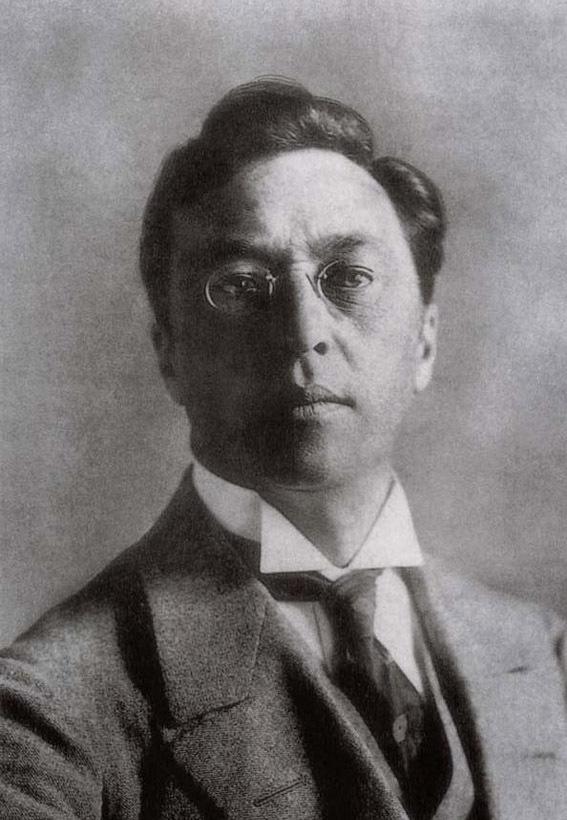
Image by Unknown Uploader, Public domain, via
He was a Russian painter, printmaker, and art theorist. He is a pioneer of abstract art. Impressionism and Symbolism influenced Kandinsky’s early work. Kandinsky’s most famous works are his abstract paintings. They their bold use of color, geometric forms, and spiritual themes. These paintings often feature swirling lines, vibrant colors, and ambiguous shapes that seem to vibrate with energy. Kandinsky’s paintings are meant to be experienced as a kind of visual music. Kandinsky believed that art should be a spiritual experience. He argued that colors, shapes, and lines have their own inherent emotional and spiritual qualities. These qualities create a powerful and moving work of art. Kandinsky’s ideas about abstract art impacted the development of 20th-century art.
Top 10 Facts About Russian Painter Kandinsky
2. Piet Mondrian
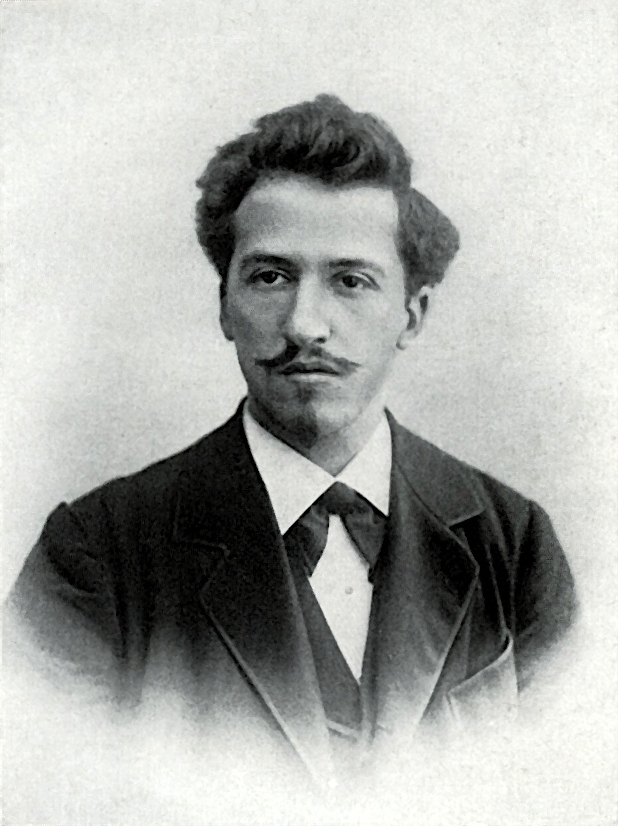
, Public domain, via Wikimedia Commons
He became interested in abstraction after a career as a landscape painter. He co-founded the De Stijl movement. Which promoted a new style of art based on geometric forms and primary colors. Mondrian’s paintings are characterized by their simplicity and purity. He reduced his compositions to the basic elements of lines, primary colors, and rectangular shapes. Composition with Red, Blue, and Yellow is Mondrian’s most famous painting. The colors are pure and the lines are thick and black. The painting is asymmetrical with a sense of balance. Mondrian’s paintings are a representation of the underlying structure of reality. His paintings are a quest for pure abstraction. His belief in the power of art to express universal truths.
Top 10 Sensational Facts About Piet Mondrian
3. Kazimir Malevich
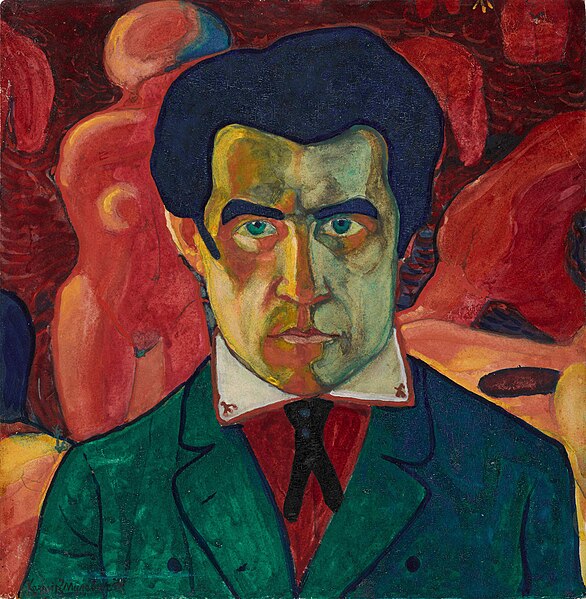
, Public domain, via Wikimedia Commons
Kazimir Malevich’s Black Square is his best-known seminal work. Malevich was a prominent figure in the Suprematist movement that transcended the limitations of representational art. He believed that pure geometric shapes and colors held the potential to access higher spiritual realms. Malevich’s enigmatic and thought-provoking art challenged conventional notions of artistic expression. Malevich’s journey to Suprematism began in the early 1910s when he was experimenting with different styles of abstract art.
In 1913, he created his first Black Square on a white background. The Black Square was a symbol of the new, non-objective art that he was striving to create. He wrote extensively about Suprematism, and he created a number of other iconic paintings. Malevich’s Suprematist paintings are now considered to be some of the most important works of abstract art ever created.
4. Jackson Pollock
Jackson Pollock’s contributions to the abstract expressionist movement reshaped the art world. His creative genius lay in his groundbreaking drip painting technique, a method that would redefine the boundaries of artistic expression. By pouring and dripping paint onto canvases, Pollock shattered traditional conventions and unleashed a torrent of raw emotions onto his masterpieces. One of his most iconic works, No. 5, 1948, serves as a testament to his artistic prowess. Within its dynamic and energetic brushstrokes, viewers are invited to delve into the depths of human emotions and experience the sensation of movement frozen in time. The piece compels and evokes a connection between the artist, the artwork, and the audience. Through Pollock’s visionary approach, he not only produced timeless masterpieces but also sparked a new era in modern art.
Top 10 Incredible Facts About Jackson Pollock
5. Mark Rothko

, Public domain, via Wikimedia Commons
Mark Rothko, left a mark on the art world with his extraordinary large-scale color field paintings. Rothko’s artistic journey revolved around delving into the boundless power of color and its ability to evoke profound emotional responses. The mesmerizing beauty of his works lay in his signature style, which featured expansive canvases adorned with ethereal rectangular shapes, their edges delicately blurred. These forms, drenched in luminous hues, captivated viewers. One of Rothko’s notable creations, Untitled (Yellow and Blue), serves as a gateway to the transcendent realm of human existence. Its vibrant yellow and deep blue tones harmonize to create a visual symphony. This masterpiece transports to a realm where mundane worries fade away, leaving room for introspection and self-discovery.
6. Joan Miró

, Public domain, via Wikimedia Commons
Joan Miró began his artistic training at the age of 14. He was influenced by Catalan folk art, Surrealism, and Japanese woodblock prints. Miró’s paintings are characterized by their use of abstract forms. He often used his art to explore the subconscious mind and the dreamlike quality of the imagination. He often used symbols in his paintings, such as stars, birds, and women. One of Miró’s most famous paintings is The Tilled Field (1923-24). This painting depicts a landscape of simple shapes and colors. A few small figures and animals are scattered throughout. The figures are depicted in a dreamlike manner. His work has influenced Abstract Expressionists and the Color Field painters. His paintings are full of mystery and wonder.
7. Pietro Consagra
Pietro Consagra was indeed an influential Italian sculptor and painter who made significant contributions to the abstract art movement. Consagra developed a unique artistic style that combined geometric forms, and minimalism. The focus was on exploring the relationship between sculpture and space. Consagra began his artistic career in the late 1930s and early 1940s, experimenting with figurative and expressionistic styles. His work gradually evolved towards abstraction. In the 1950s, Consagra co-founded the Forma 1 group in Rome, along with artists such as Carla Accardi and Piero Dorazio.
The group aimed to break away from the dominant artistic trends in Italy. One of Consagra’s notable sculptures is Contrapunto (1952-1956), which showcases his exploration of form and space. Contrapunto consists of two large metal plates positioned at different angles, creating an interplay between positive and negative spaces. This sculpture embodies Consagra’s interest in achieving dynamic equilibrium and balance through minimalistic forms.
8. Robert Delaunay

, Public domain, via Wikimedia Commons
Robert Delaunay played a significant role as a pioneer of Orphism. It was an artistic movement that placed a strong emphasis on the pure abstraction of color and form. Through this masterpiece, Delaunay skillfully portrayed the intricate relationship between these elements, captivating viewers with his unique approach to abstraction. Delaunay’s innovative techniques and artistic vision went on to influence and inspire future generations of artists. His groundbreaking contributions paved the way for the development of abstract art. He encouraged artists to push the boundaries of traditional artistic norms. He captured light and color in a way that transcends traditional representation.
9. Helen Frankenthaler

Image by Lusine Gharibyan via
Throughout her career, she pioneered a groundbreaking technique known as soak stain, which revolutionized the way paint interacted with unprimed canvases. This novel approach involved pouring diluted paint onto the canvas, allowing it to seep and merge, resulting in captivating and vibrant artwork. Mountains and Sea, serves as one of Frankenthaler’s most notable works. This masterpiece transports viewers to ethereal landscapes, effortlessly conjuring a sense of tranquility and wonder.
With her unique method, she skillfully captured the essence of fluidity and spontaneity. This granted her paintings an organic and harmonious quality. Frankenthaler’s artistic innovations went beyond technique; they also impacted the creative world by inspiring a new generation of artists. Her adeptness in employing color and composition influenced countless individuals, motivating them to explore unconventional approaches to art-making.
15 Most Famous Female Painters of All Time
10. Lee Krasner
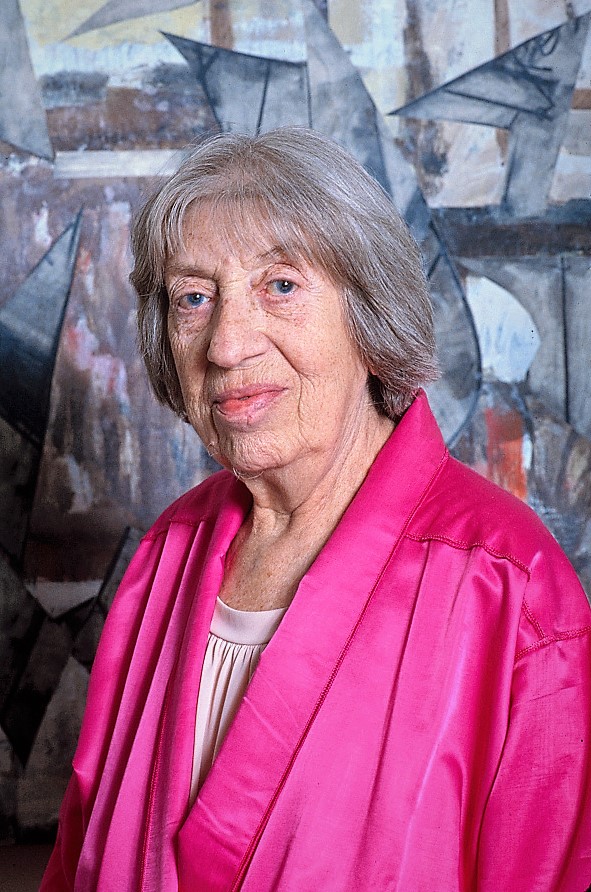
, Public domain, via Wikimedia Commons
Lee Krasner was a remarkable American abstract expressionist painter who defied the gender norms of her time. Krasner’s contributions to the art world were both bold and significant. Expressive gestures, vivid colors, and captivating compositions showcased her exceptional mastery of texture and line. One of Krasner’s notable works, The Eye is the First Circle stands as a testament to her artistic prowess.
This masterpiece captivates with its harmonious blend of shapes and colors, inviting them to explore the depths of its abstract forms. Krasner’s use of bold brushstrokes and intricate textures evokes a sense of energy and dynamism, revealing her profound understanding of the medium. Despite the gender-based challenges Krasner’s determination and sheer talent propelled her to the forefront of abstract art.
20 Famous Black Women Artists Who Were Better Than Men
11. Frank Stella

, , via Wikimedia Commons
Frank Stella, a renowned American painter, was born in 1936 and gained recognition for his exceptional contributions to minimalist and geometric abstractions. His artistic brilliance shines through his remarkable works, including the Black Paintings and The Marriage of Reason and Squalor. These iconic pieces are characterized by their striking utilization of bold and precise lines, frequently organized in repetitive patterns. Stella’s profound exploration of space and form defied conventional concepts of painting, leaving an indelible impact on subsequent generations of artists.
Throughout his career, Stella consistently pushed the boundaries of artistic expression, embracing a unique artistic language that showcased his unwavering commitment to abstraction. By reducing his compositions to their fundamental elements, he revealed a purity of form and an unparalleled sense of balance. This minimalist approach, combined with his geometric precision, created an aesthetic that captivated viewers and critics alike.
10 Best Art Galleries in New York
12. Alexander Calder

, , via Wikimedia Commons
Alexander Calder, a renowned American sculptor, was born in 1898. Throughout his career, he became celebrated for his groundbreaking mobiles and stabiles, revolutionizing the world of sculpture. Calder’s artistic genius was most notably showcased in his kinetic sculptures, like the mesmerizing Red Mobile. These remarkable creations defied gravity and captivated viewers with their abstract forms that gracefully danced even with the gentlest of breezes. Calder’s sculptures were more than static works of art.
Each piece seemed to possess a vibrant personality, inviting observers to experience a dynamic interaction with the artwork. The artist’s ingenious use of materials and construction techniques allowed for the delicate balance and effortless motion that characterized his works. Calder’s contributions to the art world were recognized and celebrated. His innovative approach to sculpture challenged conventional notions and expanded the boundaries of artistic expression.
13. Willem de Kooning

, CC0, via Wikimedia Commons
Willem de Kooning, a renowned abstract expressionist painter was an eminent figure in the art world. His contributions to the realm of art are marked by a distinctive style – vigorous brushwork and expressive techniques. Among his notable creations, “Woman I” stands as a testament to his artistic prowess and ability to evoke profound emotions through the medium of paint. In this particular masterpiece, de Kooning delved into the exploration of the female figure.
The dynamic composition and vibrant color palette employed in “Woman I” captivate viewers, drawing them into a world of bold strokes and striking imagery. Within the abstract expressionist movement, de Kooning’s work assumed a pivotal role. It firmly established him as a significant and influential artist whose legacy continues to resonate in the art world.
14. Arshile Gorky

, Public domain, via Wikimedia Commons
Arshile Gorky, a renowned Armenian-American painter is a seminal figure in abstract expressionism. Born in 1904, Gorky’s artistic journey was shaped by a unique blend of influences that resulted in a distinct and captivating style. One of his notable works, “The Liver is the Cock’s Comb,” showcases his artistic brilliance, seamlessly merging surrealism and abstract art to create mesmerizing compositions that transport viewers to a realm of dreams and imagination. These profound influences lent his artwork an extraordinary depth of emotion and introspection.
Which rendered his pieces not only visually striking but also thought-provoking and poignant. Drawing from the surrealist movement, Gorky’s paintings exuded a sense of organic vitality, filled with curvaceous shapes and explosive colors. Each brushstroke seemed to capture the essence of fleeting emotions and ethereal landscapes. His masterful use of vibrant hues and intricate forms created a harmonious visual symphony, inviting viewers to embark on a profound introspective journey.
15. Georgia O’Keeffe

, CC0, via Wikimedia Commons
She is best remembered for her extraordinary depiction of flowers, landscapes, and bones, which showcased her exceptional artistic talent. O’Keeffe’s innovative approach involved abstracting and enlarging forms, as exemplified by her notable piece, “Black Iris.” This masterpiece not only celebrated the inherent beauty of the natural world but also defied conventional artistic representations.
O’Keeffe could capture the very essence and vitality of her subjects. A trait that made her a highly influential figure during her time. Her paintings resonated on a deep and emotional level. Her bold and audacious style is characterized by vibrant colors and organic shapes. She challenged societal norms and broke free from the constraints of traditional artistic conventions.
Top 10 Outstanding Facts About Georgia O’Keeffe
16. Jean Arp
His abstract sculptures, including the renowned Bird in Flight, possessed an intriguing blend of organic shapes and an emphasis on chance. Arp was a true advocate of spontaneity and intuition, often allowing his creations to evolve naturally and effortlessly. Arp’s contributions to abstract art served as the bedrock for the development of biomorphic abstraction. By incorporating elements inspired by nature and the organic world, Arp revolutionized the art scene of his time. His artworks exuded a sense of fluidity and life. It captured the imagination and pushed the boundaries of artistic expression. Jean Arp’s legacy continues to inspire contemporary artists.
17. Lyubov Popova

, Public domain, via Wikimedia Commons
She was a leading figure in the Constructivist movement. Her artistic creations, most notably the renowned masterpiece “Painterly Architectonic.” It showcased a unique blend of abstract forms and a meticulous focus on structure and architectural elements. Popova’s innovative approach aimed to transcend the traditional boundaries of art and actively contribute to the construction of a new and progressive society. With an unwavering commitment to the fusion of art and design, Popova’s visionary ideas profoundly influenced the development of modernism. By integrating abstract elements with architectural principles, Popova sought to break away from traditional artistic conventions. She established a new artistic language that harmonized with the rapidly evolving society.
18. Barnett Newman

, Public domain, via Wikimedia Commons
Throughout his career, Newman produced a series of iconic artworks, including the masterpiece known as Vir Heroicus Sublimis. These captivating pieces showcased Newman’s distinct style, characterized by the utilization of large, monochromatic canvases adorned with vertical “zips” or bands of vibrant color. His profound exploration of scale, color, and space was one of the remarkable aspects of Newman’s artistic practice.
Newman’s artistic vision went beyond mere aesthetics. His grand canvases acted as portals to an ethereal realm. They invite viewers to contemplate their existence and their place within the vast universe. Despite initial resistance from some critics, Newman’s groundbreaking approach to painting eventually garnered widespread acclaim. His innovative use of color and scale opened new avenues of artistic expression.
15 Best Online Art Classes to Take
19. Fernand Léger
Fernand Léger, an influential French painter and a key figure in the realm of modern art, left an indelible mark on the artistic landscape of his time and beyond. One of his remarkable creations, “The City,” served as a testament to his innovative style. In this masterpiece, Léger seamlessly blended geometric shapes, vivid primary colors, and mechanistic motifs.
The results were a visually arresting portrayal of the vibrant energy and constant motion inherent in the modern urban environment. He integrated abstract elements with the structural principles of cubism and the futurist vision of progress.
Hence Léger defied traditional artistic boundaries and expanded the possibilities of artistic expression. His masterful use of primary colors brought an unparalleled vibrancy to his works. The bold and cylindrical forms that populated his paintings reflected the mechanized nature of modern society. This came from observing rapid industrialization and technological advancements of the early 20th century.
20. Robert Motherwell

, CC0, via Wikimedia Commons
Motherwell created a body of work that resonated with a profound emotional depth and existential introspection. His notable masterpiece, “Elegy to the Spanish Republic,” is a show of his artistic prowess and the depth of his creative vision. This particular artwork captured the intricacies and delicate nuances of the human experience. Motherwell’s artistic style was characterized by his skilled deployment of bold brushstrokes and the ingenious interplay of contrasting colors.
He sought to convey the multifaceted nature of existence, embracing its complexity and fragility. His paintings became a visual language, translating the essence of human emotions onto the canvas. The intermingling of vibrant hues and the vigorous energy of his brushwork evoked a sense of dynamism and vitality. As a founding member of the New York School, Motherwell shaped the abstract expressionist movement.
21. Hans Hofmann

, , via Wikimedia Commons
Hans Hofmann is a distinguished German-American abstract expressionist painter and highly regarded art instructor. Born in 1880, Hofmann’s artistic vision brought together a captivating fusion of vibrant colors, audacious brushwork, and a relentless pursuit of spatial experimentation. One of his notable works, “The Gate,” exemplified his artistic prowess. This masterpiece showcased a harmonious interplay of colors, creating a visual symphony that transcended conventional boundaries. His bold brushstrokes imbued his paintings with an energetic and dynamic quality. However, Hofmann’s contributions extended beyond his artwork. He founded the Hans Hofmann School of Fine Arts in New York and shaped the future of abstract expressionism. He had the ability to evoke emotions through vibrant colors, dynamic brushwork, and spatial experimentation.
22. Josef Albers
Josef Alber’s iconic series of paintings is known as Homage to the Square. These masterpieces were a testament to his deep exploration of colors and their captivating optical effects. Albers firmly believed that colors possessed intrinsic emotional and psychological qualities that could stir the human spirit. With a disciplined approach to color theory, Albers meticulously crafted his compositions, placing squares of different hues within each other. Through this deliberate arrangement, he sought to unlock the hidden potential of colors, allowing them to interact and create visual harmony. The juxtaposition of vibrant tones and subtle variations within the squares became a visual feast, captivating viewers and inviting contemplation.
Beyond the mere visual appeal, Albers’ work went beyond the canvas, influencing subsequent generations of artists and designers. His emphasis on the relationship between form and perception challenged conventional notions of color and expanded the boundaries of artistic expression. Albers’ legacy as a pioneer of color theory endures, reminding us of the profound impact that colors can have on our perceptions and emotions. His Homage to the Square series stands as a testament to his unwavering dedication to his craft and his unrelenting pursuit of understanding the power of colors.
23. Louise Nevelson
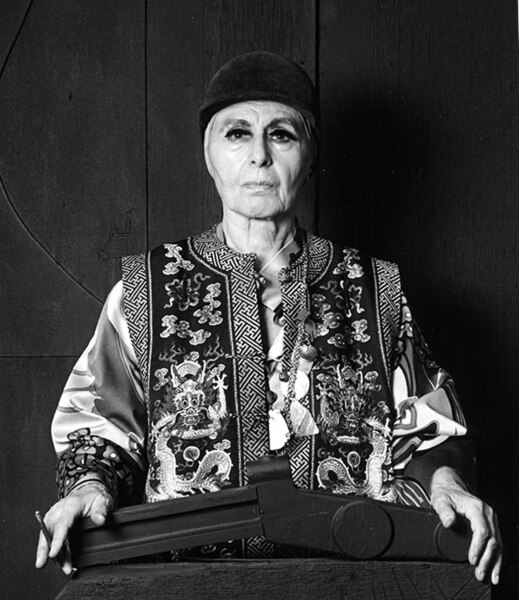
, , via Wikimedia Commons
Born in 1899, she became renowned for her monumental and abstract assemblages that captivated viewers and challenged traditional artistic conventions. One of her most iconic creations, “Sky Cathedral,” exemplifies her artistic genius. “Sky Cathedral” is a testament to her visionary approach, she breathed discarded materials with new life, giving them a sense of poetic and spiritual significance. Nevelson’s mastery of texture, form, and scale draws observers into a world of depth and complexity. With her innovative techniques and a keen eye for aesthetics, Nevelson redefined the possibilities of sculpture. Her assemblages served as a gateway to introspection, urging viewers to contemplate the interplay between chaos and harmony, absence and presence. Louise Nevelson’s contributions to the art world have garnered international recognition and accolades.
24. Antoni TÃ pies
The famous sculptor Antoni TÃ pies, a prominent artist from Spain, was brought into existence in 1923. TÃ pies had a distinct artistic perspective that included the blending of non-traditional materials into his creations. Through the integration of fine particles of sand and marble in his artistic creations, he accomplished captivating surfaces that were textured were visually appealing but also portrayed a significant sense of depth and physicality.
One of Antoni TÃ pies’ remarkable artworks, his painting titled Grey and Green, stands as evidence of his investigation into philosophical concepts and the temporary nature of human existence.
The style of TÃ pies’ art was defined by a perfect equilibrium that encompassed both abstract and representational aspects. Blending different elements of the two resulted in thought-provoking compositions. The manner in which he employed substances extended further than solely their physical appearance. These became symbols of humanity, filling his artworks with deep significance and purpose.
25. Bridget Riley

, , via Wikimedia Commons
Bridget Riley, an acclaimed British artist, has left an indelible mark on the art world with her mesmerizing op art and geometric abstractions. Renowned for her innovative techniques, Riley’s masterpieces, including the renowned artwork “Movement in Squares,” possess an extraordinary ability to captivate audiences. Through the skilled utilization of precise lines and repetitive patterns, she crafts optical illusions and evokes vivid sensations of movement.
Riley’s artistic approach delves into the realm of perception, challenging viewers to question their visual experiences. Each stroke and configuration on her canvas is a deliberate endeavor to engage with the dynamic interplay between form and color. The resultant compositions not only ignite a visual feast for the eyes but also stir emotions and provoke contemplation. Regarded as a pioneer of op art, Bridget Riley’s contributions have garnered widespread acclaim and recognition.
26. Yves Klein
Yves Klein, a prominent figure in the art world, was born in 1928 and hailed from France. Renowned for his affiliation with the Nouveau Réalisme movement, Klein’s artistic contributions were profound. One of his most notable artistic endeavors was the creation of monochromatic blue paintings, with one iconic piece being IKB 191. These works captivated audiences with their simplicity, yet conveyed a profound depth and meaning. However, Klein’s influence extended beyond the realm of color choice. He revolutionized the art scene by introducing a unique shade known as “International Klein Blue,” which not only served as his signature but also symbolized his artistic philosophy. Through his art, Klein delved into abstract concepts, exploring the realms of immateriality, spirituality, and the infinite.
Top 10 Facts about the Museum of Modern and Contemporary Art, Nice
27. Sam Francis

, CC0, via Wikimedia Commons
Sam Francis was a prominent figure in the realm of American abstract expressionist painting. He left a mark on the art world with his vivid and dynamic compositions. Big Red his most renowned creation, stands as a testament to his mastery of the craft. Bursting with exuberance, Francis employed bold brushwork, liberally employing splatters and drips of paint to instill a profound sense of motion and spontaneity within his works. Through his art, Francis effortlessly evoked a radiant sense of joy and unwavering optimism. He transcended the limitations of the canvas into a realm where emotions ran freely. His ability to elicit powerful sentiments through his compositions has solidified his place among the pantheon of influential painters.
28. Hans Hartung

, , via Wikimedia Commons
Hans Hartung, a renowned German-French painter was celebrated for his mesmerizing gestural and lyrical abstractions. Among his notable works is the masterpiece T1960-E8. It showcased his extraordinary talent in conveying a vibrant and dynamic sense of energy and rhythm. Hartung’s paintings had skillful brushwork and masterful use of color. What truly sets Hartung apart is his experimentation and his intuitive approach to the art of painting.
He fearlessly pushed the boundaries of traditional techniques. By exploring new possibilities and expanding the horizons of abstract art. His creative process was marked by a sense of liberation. He allowed his instincts and emotions to guide his artistic choices. By delving into Hartung’s captivating works, one can witness the marriage of passion and talent.
29. Cy Twombly
Twombly’s artistic endeavors were characterized by expressive scribbles, looping strokes, and bold gestural marks that conveyed a profound sense of emotion and energy. His works, including the notable piece Untitled (New York City), seamlessly intertwined abstract expressionism with poetic and calligraphic influences. This created a visual language that spoke directly to the viewer’s senses. Twombly’s art went beyond the confines of traditional painting, transcending boundaries and embracing the realms of spontaneity and intuition. His compositions captured the essence of the human experience. Each brushstroke, every deliberate mark, became a testament to the artist’s exploration of the profound and mysterious aspects of life. His abstract masterpieces captivated audiences worldwide.
30. Agnes Martin

, , via Wikimedia Commons
Agnes Martin, a renowned American abstract painter, was born in 1912. One of her notable creations, Untitled #6, exemplifies her unique style, characterized by the utilization of grids and delicate bands of color. Martin’s artistic philosophy embraced minimalism and geometric abstraction, which became defining features of her oeuvre. Her deliberate simplicity and meticulous attention to detail allowed her to convey a profound spiritual and contemplative essence through her paintings.
Each brushstroke and every carefully placed line carried a sense of purpose, inviting viewers to immerse themselves in a world of introspection and reflection. The timeless appeal of Agnes Martin’s work lies in its ability to elicit emotional responses and transport individuals to a state of serenity. Agnes Martin’s legacy as a master of abstract painting endures, and her contributions continue to inspire generations of artists and art enthusiasts alike.
These abstract artists have left an enduring legacy in the art world. Their innovative approaches, unique styles, and groundbreaking ideas continue to inspire and shape the evolution of abstract art. These are pioneers who laid the foundations of abstract expressionism. Artists who pushed the boundaries of form and perception. Each left a mark on the history of art. They solidified their place as true visionaries of their time. Their compositions were revolutionary ideas, innovative techniques, and extraordinary creativity. Their contributions to abstract art continue to inspire and captivate audiences worldwide. Making them truly exceptional figures in the realm of artistic expression.
Planning a trip to Â鶹APP ? Get ready !
These are ´¡³¾²¹³ú´Ç²Ô’²õÌý²ú±ð²õ³Ù-²õ±ð±ô±ô¾±²Ô²µÂ travel products that you may need for coming to Â鶹APP.
Bookstore
- The best travel book : Rick Steves – Â鶹APP 2023 –Ìý
- Fodor’s Â鶹APP 2024 –Ìý
Travel Gear
- Venture Pal Lightweight Backpack –Ìý
- Samsonite Winfield 2 28″ Luggage –Ìý
- Swig Savvy’s Stainless Steel Insulated Water Bottle –Ìý
We sometimes read this list just to find out what new travel products people are buying.


