
 English


30 Famous Nurses Who Shaped Healthcare
Picture a world devoid of nurses, and you’ll envision a scene of sheer pandemonium within hospitals. Patients, left without the care and support they so desperately require, would endure needless suffering, and the very foundation of our healthcare system would teeter on the brink of collapse. Amidst this chaos, nurses emerge as the unsung champions, tirelessly dedicating themselves to the service of humanity, often occupying the front lines of patient care.
These remarkable individuals, possessing hearts as expansive as the boundless horizons they tend to, undoubtedly stand as the unsung heroes within the realm of medicine. Throughout history, iconic figures like Florence Nightingale, Mary Seacole, and Margaret Sanger have indelibly etched their names into the annals of nursing. They valiantly navigated war zones, confronted societal prejudices head-on, and surmounted countless obstacles to offer solace to those in dire need.
1. Florence Nightingale – The Pioneer of Modern Nursing

, Public domain, via Wikimedia Commons
The name Florence Nightingale gleams brightly in the pages of nursing history. This remarkable individual, born in the United Kingdom in the year 1820, has left an indelible mark that still gleams brightly today. Fondly known as the “Lady with the Lamp,” Florence Nightingale’s legacy was forged during the crucible of the Crimean War.
She wielded the lamp not just to dispel darkness but to cast a radiant glow of healing upon the wounded and ailing. With each step she took, the path to a noble and esteemed nursing profession became clearer. In the chronicles of nursing, Florence Nightingale stands as a luminary, having etched the very cornerstone of contemporary nursing practices
2. Clara Barton – Founder of the American Red Cross
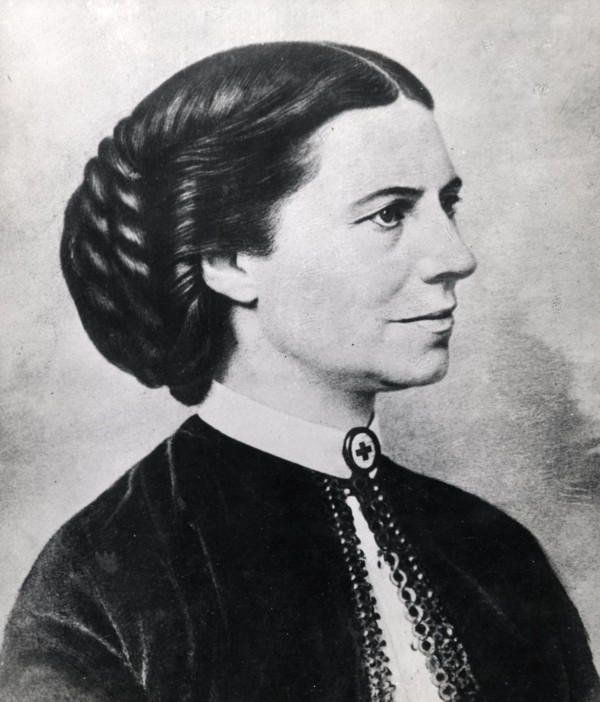
, Public domain, via Wikimedia Commons
Clara Barton, an extraordinary trailblazer hailing from the United States, is widely celebrated for her pivotal role in founding the American Red Cross back in 1881. Her voyage of empathy and service commenced against the backdrop of the tumultuous American Civil War. Amidst the chaos and suffering of the American Civil War, Clara Barton’s steadfast commitment to this noble cause carved her name indelibly into the annals of nursing history.
Picture this: a courageous woman, driven by an unwavering passion for helping others, stands amidst the chaos of the American Civil War battlefield. Clara Barton’s acts of kindness and her ability to bring solace in the midst of despair were nothing short of extraordinary.
3. Mary Seacole – A Comrade of Florence Nightingale
In the annals of history, one remarkable figure stands as a beacon of compassion and courage: Mary Seacole. With unwavering determination, Mary Seacole ventured where few dared—a battlefield’s heart, offering solace and salvation to wounded soldiers. Picture this: a fearless woman with a heart as vast as the open sea, Mary Seacole defied societal norms of her time to become a pioneer in healthcare. Mary’s story, often overshadowed by her contemporary Florence Nightingale, is a tale of resilience and resilience alone. But here’s the twist that will pique your curiosity: Mary Seacole was not just a healer but a trailblazer in every sense.
4. Dorothea Dix – Advocate for Mental Health

, , via Wikimedia Commons
In the 19th century, a time when women often faced strict societal rules, Dorothea Dix stood out as a remarkable advocate for the mentally ill. A resolute woman, driven by an unyielding passion, embarked on a mission that would forever alter the landscape of mental healthcare. Picture her, a compassionate soul traversing the nation, visiting prisons and asylums, and witnessing the abhorrent conditions endured by those with mental disorders. Imagine this extraordinary woman, traversing the vast nation, visiting prisons and asylums, and bearing witness to the deplorable conditions suffered by individuals afflicted with mental disorders.
5. Margaret Sanger – Advocate for Women’s Health

, , via Wikimedia Commons
Margaret Sanger, was an indefatigable champion of women’s health. In the early 20th century, Sanger courageously navigated the turbulent waters of a conservative society. In an era when societal norms stifled women’s voices, Sanger fearlessly championed accessible birth control options, igniting a revolution. Imagine a world where women could plan their families and futures, where they were not bound by the shackles of unwanted pregnancies. Sanger’s vision was the beacon guiding us there.
6. Esther Madudu – Mother & Child Health Champion
In her humble clinic, Esther welcomes expectant mothers with a warm smile and a gentle touch, reassuring even the most anxious hearts. Imagine a young woman, her heart pounding with anticipation, entering a modest clinic in a remote Ugandan village. But she is not alone. By her side is Esther Madudu, a compassionate and experienced midwife. When the time comes for the young woman to give birth, Esther is there by her side every step of the way.
After completing her midwifery training, Esther returned to her rural village and established a small clinic. In her humble clinic, Esther greets expectant mothers with a warm smile, instilling confidence in even the most anxious hearts. Esther’s journey to a Nobel Peace Prize nomination was not without obstacles. Maternal and child mortality rates have declined significantly in the areas where she works.
7. Mary Edwards Walker – A Medal of Honor Recipient

, Public domain, via Wikimedia Commons
Mary Edwards Walker, a truly remarkable individual, etched her name into history by becoming the sole woman to be honored with the prestigious Medal of Honor. Picture this extraordinary woman, clad in the backdrop of a war-torn nation, relentlessly tending to the wounded soldiers with utmost care and compassion. Her audacity to stand alongside her male counterparts in a field dominated by men was nothing short of revolutionary. Intriguingly, the tale of Mary Edwards Walker doesn’t end with her Medal of Honor.
8. Virginia Avenel Henderson – Nursing Theory Pioneer
Virginia Avenel Henderson, a remarkable figure in the world of nursing theory, hailing from the United States, has left an indelible mark on the very essence of nursing. Her profound contributions have served as the bedrock upon which modern nursing practices are built. In the midst of the brutal Civil War, Mary’s unwavering commitment to providing medical care on the battlefield was nothing short of heroic.
Picture the chaotic battlefield scenes where Mary, adorned in her unconventional attire, strove tirelessly to mend wounds and alleviate suffering. She emphasized that a nurse’s primary responsibility is to assist individuals in meeting their basic needs, a concept so beautifully simple that it resonates with even the youngest minds. With simple yet profound wisdom, she reminds us that the care we provide is not just a duty; it is a sacred responsibility. Imagine a nurse, like a guardian angel, tending to the needs of a patient, providing comfort and solace.
9. Lillian Wald – Founder of the Henry Street Settlement
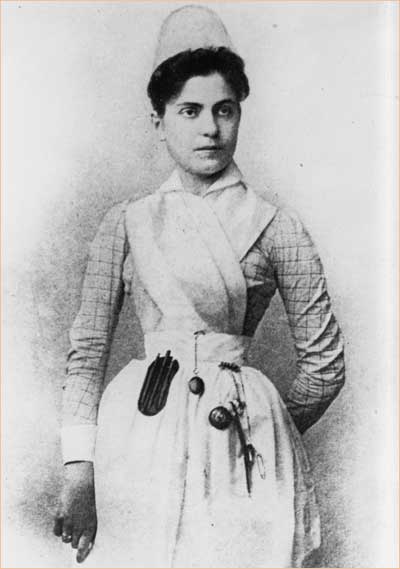
, Public domain, via Wikimedia Commons
The Henry Street Settlement, founded by Wald, became a haven for those in need. One can vividly picture her traversing bustling streets, making house calls, and providing comfort to those in pain. Wald’s Henry Street Settlement, founded in 1893, was not just a building; it was a haven of hope for those in despair.
10. Edith Cavell – Martyr Nurse
Edith Cavell, a British nurse, stands as a shining beacon of humanity in the dark of World War I. Cavell was born in Norfolk, England, in 1865. She trained as a nurse in London and then worked in hospitals in Brussels, Belgium, for several years.
When World War I erupted in 1914, Cavell refused to leave Brussels, despite the impending German invasion. The year is 1915, and you are Edith Cavell, a British nurse who has been arrested by the Germans for helping Allied soldiers escape from German-occupied Belgium.
She vowed to stay and help those in need. In 1915, Cavell was arrested by the Germans on charges of treason. She was tried and convicted in a sham trial and sentenced to death. Cavell was executed by firing squad on October 12, 1915, at the age of 49. Cavell’s execution sparked outrage around the world.
11. Sojourner Truth – Abolitionist and Nurse

, Public domain, via Wikimedia Commons
Born Isabella Baumfree in 1797, Truth was sold into slavery at a young age. She endured many hardships during her time in bondage, but she never lost her spirit or her determination to be free. In 1826, she escaped from slavery with her infant daughter, and she eventually won a lawsuit to regain her son, who had been sold illegally.
In the midst of a turbulent era in the United States, Sojourner Truth harnessed her nursing prowess not only to mend the physical wounds of those in need but also to address the deep-rooted societal injustices of her time. Amidst the backdrop of a nation divided by the shackles of slavery, Sojourner Truth emerged as a beacon of hope.
12. Jeanne Mance – Co-founder of Montreal
In the vibrant tapestry of Montreal’s history, Jeanne Mance’s role as a co-founder shines brightly. In 1642, she arrived on the island of Montreal with a group of settlers led by Paul de Chomedey de Maisonneuve. She quickly recognized the need for a hospital to care for the sick and injured. In 1645, she founded the Hôtel-Dieu de Montréal, the second oldest hospital in North America.
The Hôtel-Dieu provided essential medical care to the settlers and Indigenous peoples for over 375 years. She and the other women who worked at the Hôtel-Dieu were trained in the latest medical practices and provided compassionate care to their patients.
13. Cicely Saunders – Pioneer of Modern Hospice Care

, , via Wikimedia Commons
Cicely Saunders, an extraordinary individual hailing from the United Kingdom, stands as the illustrious pioneer of contemporary hospice care. In her early twenties, she fell in love with David Morley, a Polish refugee with leukemia. During the final year of his life, Saunders witnessed firsthand the inadequate and often inhumane care that was available to the terminally ill. In 1967, Saunders founded St Christopher’s Hospice in South London, the first purpose-built hospice in the world. Picture this: Cicely, a beacon of hope in a world grappling with the uncertainty of mortality. A compassionate model of care that values not only physical comfort but also emotional solace.
Saunders believed that dying patients deserved to live their remaining days with dignity and respect. Before Saunders’ work, dying patients were often isolated and neglected. Thanks to Saunders’ vision and dedication, dying patients can now receive the compassionate care and support they need to live their remaining days with dignity and peace.
14. Mary Breckinridge – Founder of the Frontier Nursing Service
Mary Breckinridge was an amazing American nurse-midwife who came up with the idea of Frontier Nursing Service (FNS) in 1925. She was born in Memphis, Tennessee, in 1881. But here’s the fascinating part: in 1922, she went all the way to Kentucky to check out what the folks there needed in terms of healthcare.
Now, hold on to your hats because this story is just getting started! The FNS nurses didn’t just sit around – they rolled up their sleeves and got to work. They didn’t only deliver babies; they also gave shots and taught people how to stay healthy. And guess how they got to their patients? On horses and mules, no less! Those mountain trails were no joke, let me tell you.
But wait, there’s more to the story. Mary Breckinridge didn’t just call it quits in 1962 when she left her director’s chair. Nope, she stuck around, still helping out until 1965 when she passed away.
15. Mabel Keaton Staupers – Advocate for Racial Integration
Mabel Keaton Staupers, an indefatigable champion hailing from the United States, devoted her unwavering energy to championing the cause of racial integration within the nursing profession. After graduating from nursing school in Washington, D.C., Staupers was unable to find work in a white hospital due to her race. Through her unyielding efforts, Ms. Staupers instigated a seismic shift that reverberated across the healthcare landscape.
In the early 1940s, Staupers became the executive secretary of the National Association of Colored Graduate Nurses (NACGN). Under her leadership, the NACGN launched a campaign to integrate the Army and Navy Nurse Corps. At the time, both branches of the military had segregated nursing units. After years of lobbying and activism, Staupers and the NACGN finally achieved their goal in 1945, when the Army and Navy Nurse Corps were integrate
16. Helen Fairchild – World War I Nurse

Photo by on
In the midst of the chaos and strife that defined this epoch, her unwavering bravery and unyielding dedication shone as bright as a beacon of hope. With a heart full of compassion and a spirit undeterred by the horrors of war, Helen ventured into the frontlines, where danger lurked at every corner. Picture this: Helen, clad in her nurse’s uniform, working tirelessly to ease the suffering of those young soldiers, who had left their homes to fight for their country. Her unwavering bravery and unyielding commitment amidst the chaos of war vividly portrayed the true essence of nursing’s noble spirit.
17. Sister Elizabeth Kenny – Innovative Polio Treatment
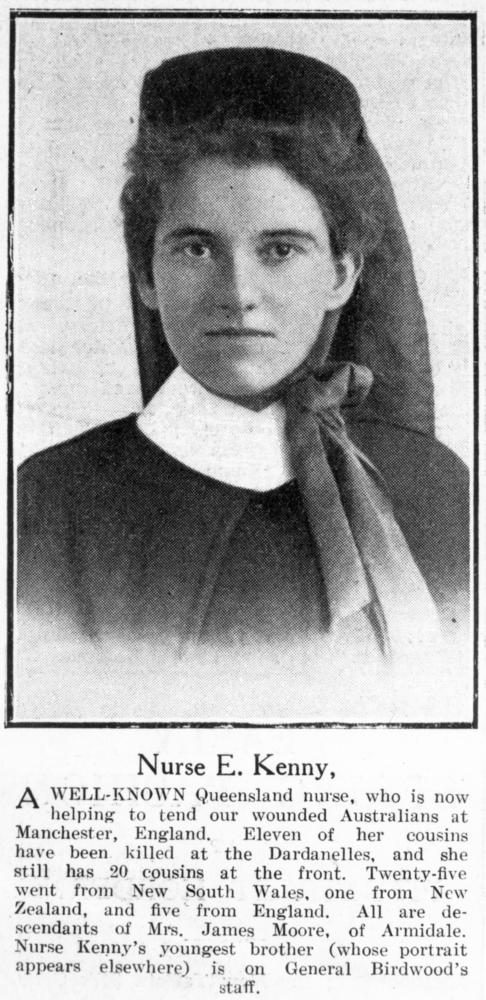
, Public domain, via Wikimedia Commons
Imagine the bleak and daunting era when polio held countless individuals hostage. Sister Kenny, with her boundless heart filled with empathy and an unwavering determination, entered this battleground armed with innovative ideas. Patients, once imprisoned by the cruel grip of polio, found renewed strength and liberation under Sister Kenny’s nurturing care.
18. Agnes Karll – Leader in German Nursing

, No restrictions, via Wikimedia Commons
Born in Berlin in 1862, Karll began her nursing career at the age of 18. She quickly rose through the ranks, and by 1884, she was the head nurse at the prestigious Charité Hospital. In the late 19th century, nursing in Germany was in a state of flux. Nurses were often overworked and underpaid, and their working conditions were often poor. Karll was determined to change this.
Imagine a time when there was no public health education, and people did not know how to stay healthy. In this time, Agnes Karll emerged as a leader in German nursing. In 1899, Karll founded the German Association of Nurses (Agnes Karll Verband), which is still in operation today. Karll was determined to raise the standards of nursing practice in Germany.
19. Florence Nightingale David (Nigeria)
Florence Nightingale David, affectionately known as the “Florence Nightingale of Nigeria,” holds an esteemed place in the annals of healthcare history. David was born in 1920 in the town of Imesi-Ile, Osun State, Nigeria. She attended the United Missionary College in Ibadan, where she received her nursing diploma in 1942. After completing her nursing diploma in 1942, she began working as a nurse at the General Hospital in Lagos. In 1947, David was awarded a scholarship to study midwifery at the Royal College of Midwives in London. After returning to Nigeria in 1949, David worked as a midwife at the Maternity Hospital in Lagos.
In a country where access to quality healthcare and education was limited, Florence Nightingale David emerged as a guiding light. With each patient she cared for and each student she mentored, she sowed the seeds of a healthier, more knowledgeable Nigeria. In 1959, David founded the Nightingale Hospital in Lagos. The Nightingale Hospital was the first private hospital in Nigeria to be owned and operated by a Nigerian nurse.
20. Hattie Bessent – Pioneering African American Nurse Educator
This trailblazing African American nurse educator fearlessly confronted the barriers that obstructed progress in nursing instruction. Hattie Bessent, a beacon of hope, courageously navigating a path fraught with adversity. In her groundbreaking role, Hattie Bessent ingeniously forged a path towards equality in the field of nursing education. Yet, amid the struggles, her steadfast resolve remained unshaken. Hattie Bessent stands as a trailblazing African American nurse educator, an unwavering champion who dismantled obstacles in the realm of nursing instruction. Picture this: Hattie Bessent’s story is like the emergence of a radiant dawn after a long, dark night.
21. Catherine McAuley – Founder of the Sisters of Mercy

, Public domain, via Wikimedia Commons
Catherine McAuley’s early life was marked by both joy and sorrow. Catherine McAuley (1778-1841) was a devout Catholic woman from Dublin, Ireland, who founded the Sisters of Mercy in 1831. The Sisters of Mercy quickly spread to other parts of the world, and today they are one of the largest religious congregations of women in the Catholic Church.
Her mother died when she was twenty, leaving her to care for her younger siblings. In 1824, Catherine McAuley used her inheritance to establish the House of Mercy on Baggot Street in Dublin. This became the first of many Houses of Mercy that she would found throughout Ireland and the world. The Sisters of Mercy were not cloistered nuns, but rather women who lived and worked among the people they served.
They were free to leave their convents and go wherever they were needed. Catherine McAuley died in 1841 at the age of 63. By the time of her death, the Sisters of Mercy had spread to over twenty countries. Imagine the world without Catherine McAuley’s influence—a world where the compassionate care provided by the Sisters of Mercy doesn’t exist.
22. Isabel Hampton Robb – Leader in Nursing Standards
Isabel Hampton Robb, a shining beacon in the firmament of nursing standards, hailed from the United States. Imagine a world where nurses are highly skilled, compassionate professionals who are dedicated to providing holistic care to their patients. This is the world that Isabel Hampton Robb envisioned. With a nurturing spirit akin to that of a caring guardian, Robb instilled in her students the quintessential essence of compassion, empathy, and competence. She guided them with meticulous care, just as a gardener tends to a delicate blossom.
23. Florence Wald – Founder of the First U.S. Hospice
In 1967, she attended a seminar given by Dame Cicely Saunders, the founder of the world’s first hospice. Saunders’ vision of holistic care for the terminally ill deeply resonated with Wald. Upon returning to the United States, Wald set out to create a similar program. This is the vision that Florence Wald brought to life when she founded the first hospice in the United States. Within its caring embrace, physical distress and pain were alleviated with unwavering tenderness. In a world often dominated by clinical protocols, Wald’s institution introduced a refreshing human touch, where the pursuit of a life well-lived was celebrated. With simple yet profound dedication, Florence Wald revolutionized the landscape of healthcare.
24. Mary Eliza Mahoney – First African American Licensed Nurse

, Public domain, via Wikimedia Commons
Mary Eliza Mahoney, a trailblazing figure in American healthcare history, achieved a remarkable milestone by becoming the very first licensed nurse of African American descent in the United States. In a time when opportunities for African Americans were severely limited, Mary Eliza Mahoney shattered the barriers of discrimination through her relentless pursuit of her nursing career.
Despite the lack of opportunities available to African Americans at the time, she persevered with unwavering determination, eventually gaining admission to the New England Hospital for Women and Children nursing school in 1878. In 1879, she became the first African American to graduate from the program, earning her nursing diploma with distinction.
Despite her success as a private nurse, Mary Eliza Mahoney remained deeply troubled by the racial discrimination that persisted in the nursing profession. In 1896, Mary Eliza Mahoney became one of the founding members of the Nurses Associated Alumnae of the United States and Canada (NAAUSC), a predominantly white nursing organization.
25. Maud Pember Reeves – Advocate for Child Welfare
Mary Reeves was not just an ordinary individual; she was a compassionate soul who had an extraordinary connection with the well-being of children right from her early days. Her heartfelt journey towards becoming a staunch advocate for child welfare began in her childhood in the impoverished landscapes of New Zealand. It was during those tender years that she personally bore witness to the unimaginable hardships faced by youngsters hailing from economically disadvantaged backgrounds.
In the year 1891, Mary Reeves made a momentous decision that would forever alter the course of her life. The deplorable living conditions she encountered were nothing short of appalling, and they shook her to the very core of her being. Despite the overwhelming challenges and the heart-wrenching scenes she encountered daily, Mary Reeves refused to turn a blind eye. Mary Reeves’ words in “Round About a Pound a Week” were not just words on paper; they were a powerful call to action.
26. Linda Richards – First Trained Nurse in the United States
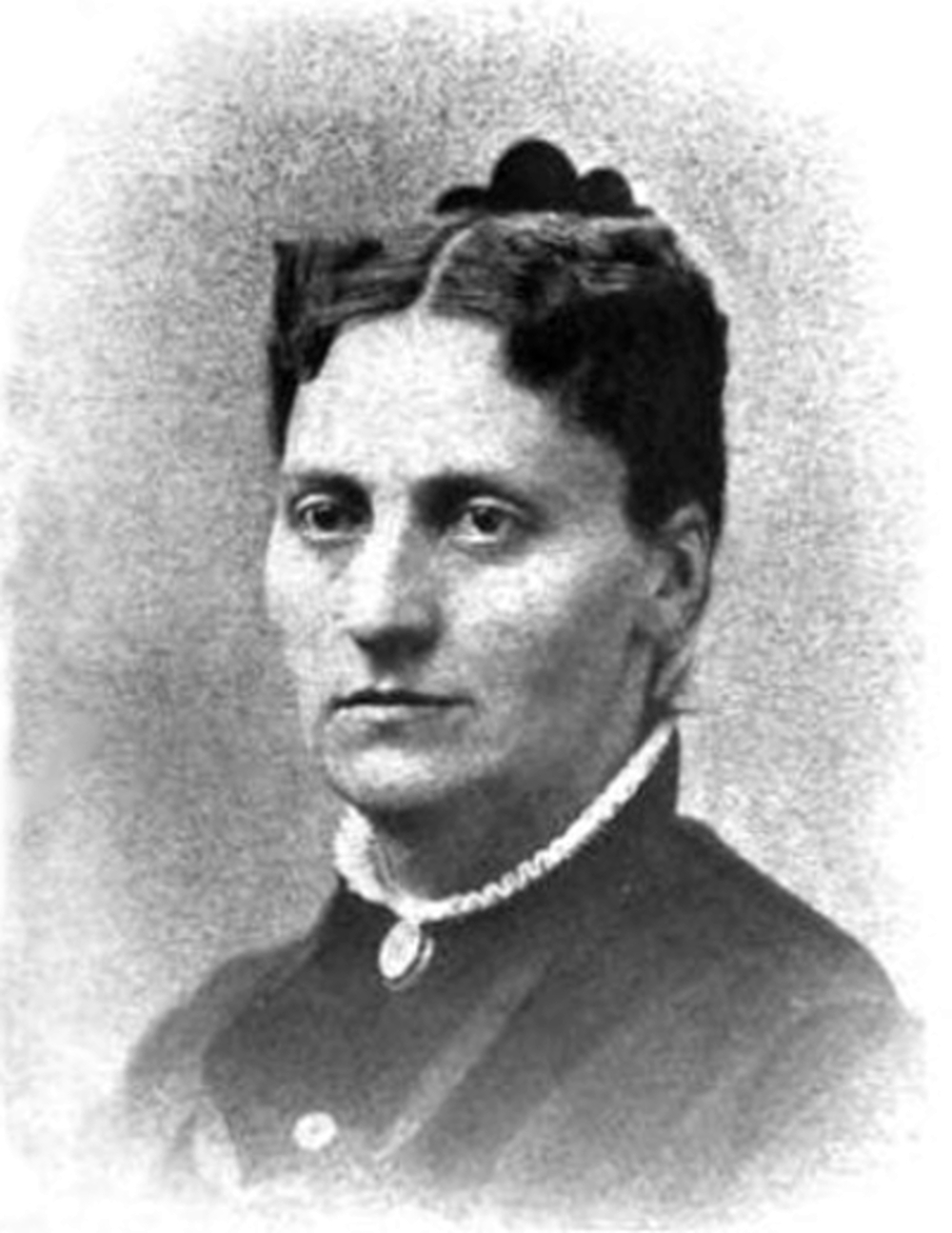
, Public domain, via Wikimedia Commons
Linda Richards, a remarkable figure in the annals of American healthcare, proudly wears the badge of being the inaugural formally trained nurse in the United States. Imagine the landscape of healthcare in the United States before Linda Richards entered the scene. There were no standardized training programs for nurses, and patient care often lacked the precision and expertise that we take for granted today. Linda Richards changed this narrative.
27. Loretta Ford – A Pioneer in Expanding Access to Primary Care
Loretta Ford, born in the year 1920, stands as an iconic figure in the realm of healthcare. In the early 1960s, Ford began to collaborate with Dr. Henry Silver to develop a new type of healthcare provider who could provide primary care services under the supervision of a physician. In 1965, Ford and Silver launched the first nurse practitioner program at the University of Colorado.
More than 300,000 nurse practitioners are practicing in the United States today. Nurse practitioners are often the first point of contact for patients who need primary care services.
28. Ethel Bedford Fenwick – Advocate for Nursing Registration

, Public domain, via Wikimedia Commons
With a passion that burned like a relentless flame, Ethel Bedford Fenwick tirelessly advocated for the recognition and standardization of nursing practices. In the late 19th and early 20th centuries, the nursing profession lacked the structured regulation it desperately needed. Her tireless efforts can be likened to the persistent flow of a river, slowly but steadily shaping the landscape of nursing in the United Kingdom. Imagine a world where nurses operated without the assurance of professional standards. Thanks to Ethel Bedford Fenwick’s relentless pursuit of nursing registration, that scenario remains in the annals of history.
29. Rene Goupil – Lay Nurse and Jesuit Martyr
Born in Saint-Martin-du-Vieux-Bellême, France, in 1606, Goupil immigrated to Canada in 1641. He was quickly drawn to the Jesuit mission in Quebec, where he was baptized and began his training as a lay nurse. At a time when medical care was scarce and communities relied on their own for healing, Goupil’s skills were in high demand. He even risked his own life by sleeping among the sick, despite the risk of contracting the disease. Goupil’s compassion was not limited to those who were sick or injured. In 1642, he was captured by the Iroquois while accompanying a group of Jesuit missionaries. He was eventually martyred on September 29, 1642.
30. Lydia Makhubu – Eswatini Pioneer Nurse
Lydia Makhubu, driven by an unyielding resolve, took the momentous step of establishing Eswatini’s first-ever nursing school. Her dedication and caring nature did more than merely influence individuals; they reshaped the entire healthcare landscape in Eswatini. In a global context where the importance of healthcare stands unparalleled, Lydia Makhubu’s unwavering spirit and her pledge to nurture the future healers emerge as a beacon of hope. Her nurturing ethos acted as the lifeblood, infusing vitality into not only the aspiring nurses but also the very essence of healthcare within Eswatini’s borders.
From Florence Nightingale’s pioneering work in modern nursing to Mary Eliza Mahoney’s trailblazing path as the first African American registered nurse, their legacies are etched in the annals of healthcare history. Think of Lillian Wald, the founder of public health nursing, who took healthcare to the streets, or the incomparable Clara Barton, whose resilience in the face of adversity knew no bounds, as she founded the American Red Cross. Each nurse on this list, from Dorothea Dix to Virginia Avenel Henderson, has left an indomitable legacy.
Planning a trip to Â鶹APP ? Get ready !
These are ´¡³¾²¹³ú´Ç²Ô’²õÌý²ú±ð²õ³Ù-²õ±ð±ô±ô¾±²Ô²µÂ travel products that you may need for coming to Â鶹APP.
Bookstore
- The best travel book : Rick Steves – Â鶹APP 2023 –Ìý
- Fodor’s Â鶹APP 2024 –Ìý
Travel Gear
- Venture Pal Lightweight Backpack –Ìý
- Samsonite Winfield 2 28″ Luggage –Ìý
- Swig Savvy’s Stainless Steel Insulated Water Bottle –Ìý
We sometimes read this list just to find out what new travel products people are buying.


