
 English


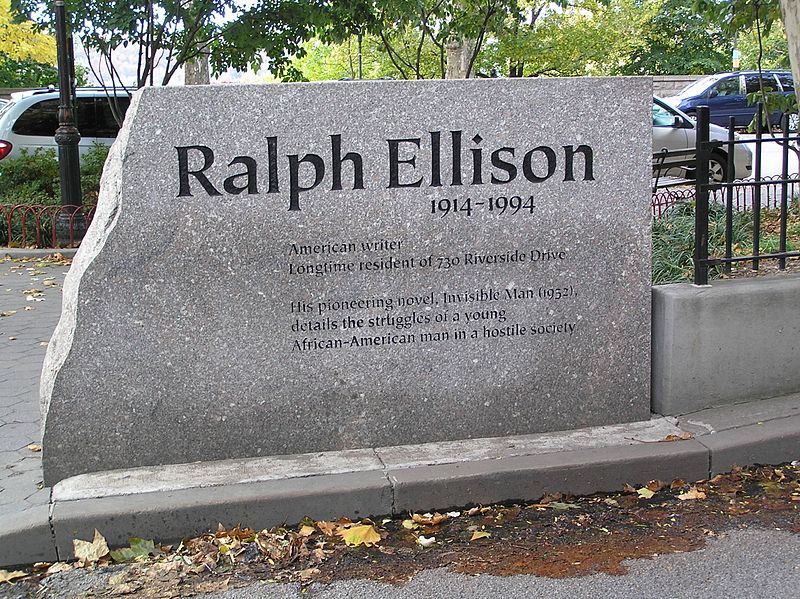
Image by Anthony22 from Wikimedia
Top 10 Unbelievable Facts about Ralph Ellison
Born in Oklahoma City, Oklahoma and named after the 19th-century essayist and poet Ralph Waldo Emerson, Ellison studied music and literature at Tuskegee Institute, a historically Black college, before moving to New York City in 1936. He left Tuskegee in 1936 after three years of study in music and literature. Ralph Ellison was an American writer, literary critic, and scholar best known for his novel Invisible Man. Ellison’s literary career began in the 1940s when he published short stories and essays in magazines such as “The New Yorker” and “Partisan Review.” In 1947, he received a Rosenwald Fellowship, which allowed him to work on his novel “Invisible Man” for several years.
The novel, which won the National Book Award in 1953, follows the story of an unnamed Black narrator who struggles to find his place in a racist and oppressive society. In addition to Invisible Man, Ellison wrote Shadow and Act (1964), a collection of political, social, and critical essays, and Going to the Territory (1986). Throughout his career, Ellison was also a prominent literary critic, writing essays on a range of topics, including African American literature, jazz and American culture. His nonfiction works include Shadow and Act (1964) and Going to the Territory (1986). On top of Ellison’s contributions to American literature here are the top 10 unbelievable facts about him.
1. He was named after the writer Ralph Waldo Emerson

Image by Welsh Portrait Collection from
Ralph Waldo Ellison was named after the famous American writer and philosopher, Ralph Waldo Emerson. Ellison’s parents were both admirers of Emerson’s work, and they chose to name their son after him in the hope that he would follow in Emerson’s intellectual footsteps. Ralph Waldo Emerson was a prominent American essayist, poet, and philosopher who played a central role in the transcendentalist movement of the mid-19th century. Emerson’s writings are known for their emphasis on individualism, self-reliance, and the power of nature.
He believed that individuals could achieve their full potential by relying on their own instincts and intuition, rather than conforming to the expectations of society. Ellison himself went on to become a prominent writer and thinker, best known for his novel “Invisible Man,” which explores themes of identity, race, and social inequality in America. Like Emerson, Ellison was deeply interested in the power of individualism and self-reliance, and his work reflects these themes in a unique and compelling way.
2. Ralph Ellison Studied Classical Music at Tuskegee Institute
Ralph Waldo Ellison did study music at Tuskegee Institute, a historically Black college in Alabama. He initially enrolled there in 1933 and studied music theory and composition, as well as playing the trumpet in the school band. While he did not focus specifically on classical music, he did develop a deep appreciation for various types of music, including jazz, blues, and gospel. This interest in music would later influence his writing, as musical themes and motifs are often present in his works, particularly his acclaimed novel Invisible Man. Tuskegee Institute (now known as Tuskegee University) is a historically Black college and university (HBCU) located in Tuskegee, Alabama. It was founded in 1881 by Booker T. Washington, a prominent African American educator and leader, with the goal of providing higher education and vocational training to Black students in the South.
Top 10 Sensational Facts about Booker T Washinton.
3. His Invisible Man is one of the greatest American Novels of the 20th century

Image from
Ralph Waldo Ellison’s novel “Invisible Man” was published in 1952 and was widely acclaimed by critics and readers alike. However, it was not an instant hit in the traditional sense. While the novel did receive positive reviews from many prominent critics upon its release, it took some time for it to gain wider recognition and popularity. In fact, the novel’s initial sales were relatively modest, and it was not until it won the National Book Award for Fiction in 1953 that it began to receive more widespread attention and acclaim.
Invisible Man has come to be recognized as a classic of American literature, and it is widely regarded as one of the most important and influential novels of the 20th century. Its themes of race, identity, and social injustice continue to resonate with readers today, and the novel remains a staple of many high school and college literature courses. The book spent 16 weeks on bestseller lists.
4. His Father Died when Ellison was just 3 Years Old
Ralph Ellison’s coming of age was both loving and challenging. His father, Lewis Ellison, died when Ralph was just three years old. His mother worked in domestic service and his father made a living delivering ice for use for cold storage of food. Actually, Ellison was sitting atop his father’s ice wagon when Lewis was injured in an accidental fall down the steps to a cellar. He died soon after of infection due to internal injuries. While the grieving Ida regrouped, three-year-old Ralph went to live for a time with his grandfather, Alfred Ellison, in Abbeville, South Carolina. The impressive patriarch made a distinct impression on young Ralph. He later wrote about his grandfather in his letters and spoke about his influence in his last public address, in 1992. Overall, the experience of growing up without a father figure and in a struggling family would later inform Ellison’s writing, including his masterpiece novel, Invisible Man.
Top Black Authors of All Time: Find out Here.
5. Ellison was Highly Critical of his Accomplishments

Image by United States Information Agency staff photographer from
The widely acclaimed author was known to be highly critical of his own accomplishments. Ellison often expressed frustration with his own writing process and the limitations of his work. He was known to be a perfectionist who spent years revising and reworking his writing, and he often struggled to meet his own high standards. In addition, he was deeply committed to exploring complex and challenging themes, which sometimes made his work difficult to categorize and interpret. Despite his critical nature, however, Ellison’s work continues to be widely read and studied today. His insights into the nature of race, identity, and American culture have influenced generations of writers and thinkers, and his legacy as a writer and critic remains strong.
6. Ellison was the First African American to Receive the National Book Award
Invisible Man by Ralph Ellison was awarded the National Book Award in 1953 for fiction. The novel explores the experiences of a nameless Black protagonist who struggles to find his identity and place in the world amid the racism and social injustice of mid-twentieth century America. The novel is considered a classic of American literature and is widely taught in universities and schools. The National Book Award is an American literary prize that has been awarded annually since 1950 to recognize outstanding literary works by American authors. The award is given in four categories: fiction, nonfiction, poetry and young people’s literature. The National Book Foundation, a nonprofit organization, administers the award. Winning the National Book Award is a significant achievement in the literary world, and the award can bring increased attention and recognition to the author and their work.
Click Here to Learn about the Top African American Books you Should Read.
7. Ellison was a Civil Rights Advocate too!
Image by Anthony22 from
In addition to his literary and musical accomplishments, Ellison was also a passionate advocate for civil rights and racial equality. Ralph Ellison was a writer, scholar, and intellectual who was deeply committed to advancing civil rights and promoting racial equality. He was a prominent figure in the African American literary and cultural scene of the mid-20th century and his work addressed many of the key issues and challenges facing Black Americans during that time. Ellison was particularly interested in exploring the complexities of Black identity and the ways in which racism and discrimination shape individual and collective experiences.
He was critical of both overt and subtle forms of racism, and he advocated for greater understanding and empathy across racial lines. In addition to his literary work, Ellison was also involved in a number of civil rights organizations and movements. He was a strong supporter of desegregation and affirmative action, and he believed that education and cultural exchange were essential tools for promoting racial justice and equality.
8. Ralph Ellison Grew up in a Family of Accomplished Musicians
His parents, Lewis Ellison and Ida Millsap Ellison, were both passionate about music and were active participants in the musical life of their community in Oklahoma City, Oklahoma. Lewis Ellison was a trumpet player who performed in local bands, while Ida Millsap Ellison was a trained pianist who gave private piano lessons. As a child, Ralph Ellison was exposed to a wide range of music, including jazz, blues and classical music. He learned to play the trumpet and the cornet from his father and also studied the piano. He was deeply interested in the relationship between music and literature, and he saw the two art forms as interconnected. In his acclaimed novel “Invisible Man,” music plays a significant role, and Ellison frequently used musical metaphors to describe the experiences of his characters.
For the Most Famous Jazz Musicians. CLICK HERE
9. Ralph Ellison Suffered Writers Block

Image by anokarina from
Ralph Ellison, like many writers, struggled with writer’s block at various points in his career. One of the most famous examples of this occurred after the publication of his first and most famous novel, “Invisible Man,” in 1952. After the book’s initial success, Ellison began to feel overwhelmed by the pressure to produce a follow-up. He was beset by doubts about his own abilities and the direction of his writing and he found it difficult to make progress on his next project. Ellison’s struggles with writer’s block lasted for decades.
However, he did continue to write and publish essays, short stories, and other works, and he remained an influential figure in American literature. In interviews, Ellison discussed the challenges of writer’s block and offered advice to other writers struggling with the same issue. He emphasized the importance of perseverance and encouraged writers to keep writing, even if they weren’t sure where their work was going. He also recommended finding a supportive community of writers and readers who could provide feedback and encouragement.
10. Ellison was a member of the Communist Party
In his early adult life, Ellison became involved with leftist political movements and began attending meetings and events hosted by the Communist Party. He joined the party in 1938 and remained a member until 1944. Ellison’s involvement with the Communist Party had a significant influence on his literary work. He was inspired by the party’s emphasis on social justice and equality, and many of his writings explore themes of race and class struggle. However, Ellison also became disillusioned with the party’s leadership and tactics and ultimately left the organization. He then became critical of both the Communist Party and mainstream political movements and his writings reflect a deep engagement with a range of political and philosophical ideas.
Read about the 10 Most famous African American Events in the US.
Planning a trip to Â鶹APP ? Get ready !
These are ´¡³¾²¹³ú´Ç²Ô’²õÌý²ú±ð²õ³Ù-²õ±ð±ô±ô¾±²Ô²µÂ travel products that you may need for coming to Â鶹APP.
Bookstore
- The best travel book : Rick Steves – Â鶹APP 2023 –Ìý
- Fodor’s Â鶹APP 2024 –Ìý
Travel Gear
- Venture Pal Lightweight Backpack –Ìý
- Samsonite Winfield 2 28″ Luggage –Ìý
- Swig Savvy’s Stainless Steel Insulated Water Bottle –Ìý
We sometimes read this list just to find out what new travel products people are buying.


