
 English


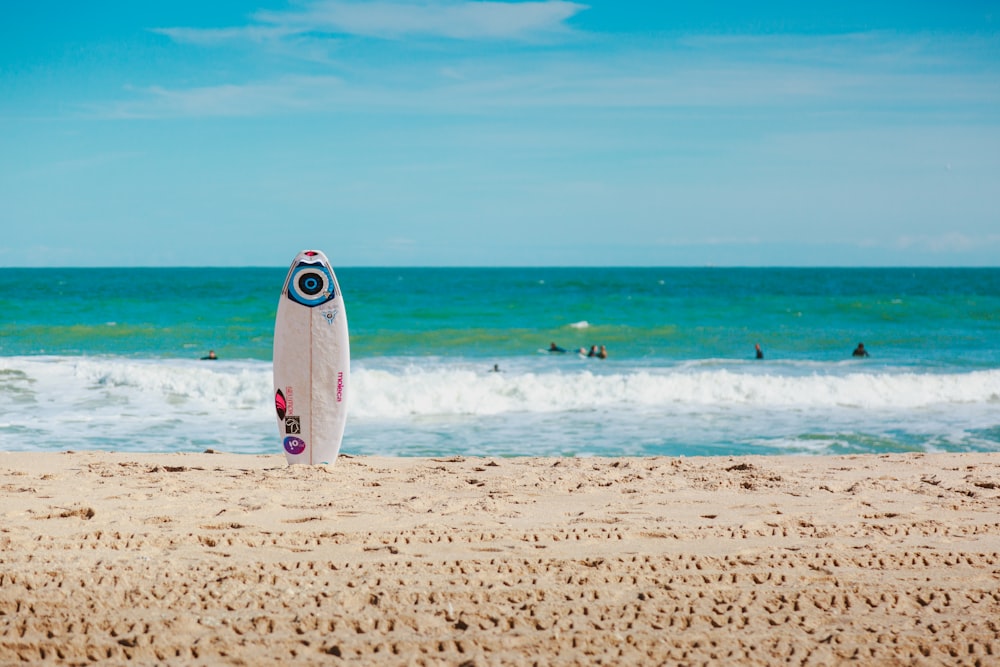
Photo by Lacie Slezak on
Best Places to go Surfing in Japan
Japan is an island country in East Asia. It is situated in the northwest Pacific Ocean and is embraced on the west by the Sea of Japan, while extending from the Sea of Okhotsk in the north toward the East China Sea and Taiwan in the south.
While the US and Australia lay claim to most of the world’s top surfing destinations, Japan’s 29,000km worth of coastline to be exact provide more than just a few great places to catch a wave.
The country has enough coastline fantastic spots. In any case surfing made its Olympic debut at Tokyo 2020.
With the Pacific swell to the east and tropical climate of the southern islands, good surfing conditions are available year-round in Japan.
Still, the regional typhoons, monsoon cycles and year-round groundswells traveling from the North Pacific generate unexpected surprises.
Located in the northwest of the Pacific, Japan can be a snowy haven for winter sports enthusiasts and a tropical dream for surfing addicts.
With over 60 years of modern surf culture born when American servicemen based on the Atsugi military base during the Vietnam War showed locals how to ride.
The Land of the Rising Sun is an enigmatic surf destination. Let’s look at some of them.
Kamakura – Kanagawa

Photo by Andreas Dress on
Kamakura is a city in the south-west coast of Kanagawa Prefecture south of Tokyo, with beaches such as Yuigahama and Enoshima are some of the most accessible beaches from Tokyo.
Furthermore, you can also enjoy the beautiful historical town along with beaches that offers numerous marine sports activities and teeming with more than a hundred Buddhist Zen temples and Shinto shrines.
Kamakura is in Shonan area (the south-west coast of Kanagawa Prefecture) which is the most popular area for marine sports around Tokyo.
Beaches in Shonan area offers stunning views of Mt Fuji which is a privilege for surfers. The area has a great seaside town atmosphere with lots of stylish shops, cafes and restaurants.
There are shops along the seaside which provide surfing gear and also training to amateur surfers. Some shops offers lessons in English, too.
Oarai – Ibaraki

Photo by Alex Falconer from
Ibaraki in Oarai has sandy beaches stretching across miles.
Ibaraki is known for its ISU Ibaraki Surfing Classic (surfing competitions) owing to its popular beaches.
August is a great time to surf the beaches out here. Several other kinds of water sports are also very popular around this region because some of the beaches are quite shallow.
The A frame wave that is created when the left side of the embankment and the front swell collide with each other when the size of the wave increases is especially famous.
These spots are also great for sunbathing and swimming.
Miyazaki – Southern Japan
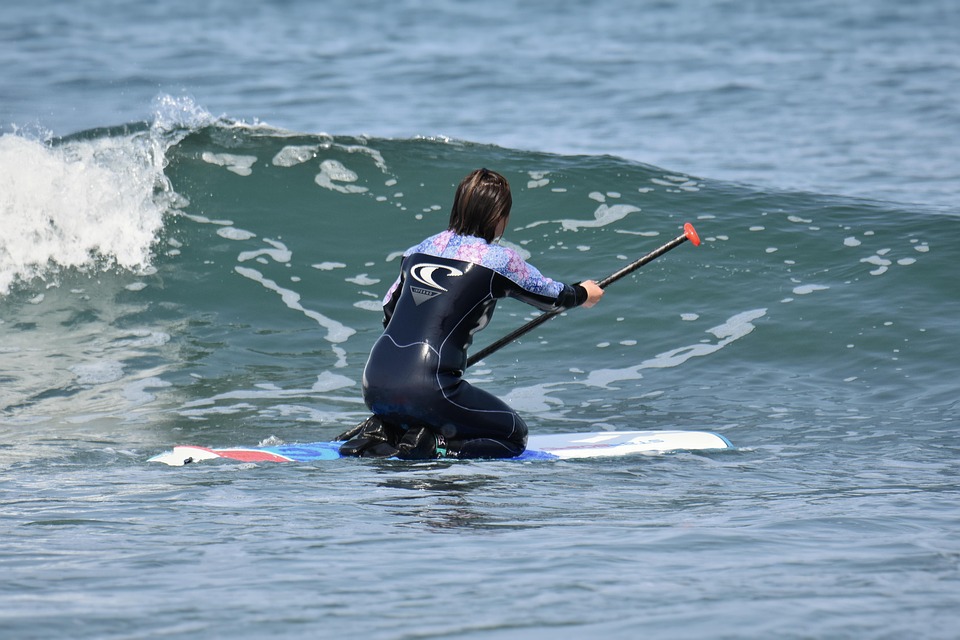
Image by from
Miyazaki is to Japan what Queensland is to Australia – it’s the country’s “sunshine capital� and it’s popular with locals year-round.
With its laid-back vibe and abundance of sun-kissed locals, surf culture in Miyazaki is alive and well.
But the tropical destination is still relatively unknown to international travellers, despite playing host to world-class surfing competitions.
Ichiyumi Point is a really good wave. It’s a fun reef break with both rights and lefts depending on the swell. It’s usually super rippable walls with a few barrel sections. This is another wave that work best on typhoon swells.
Aha Point – Okinawa
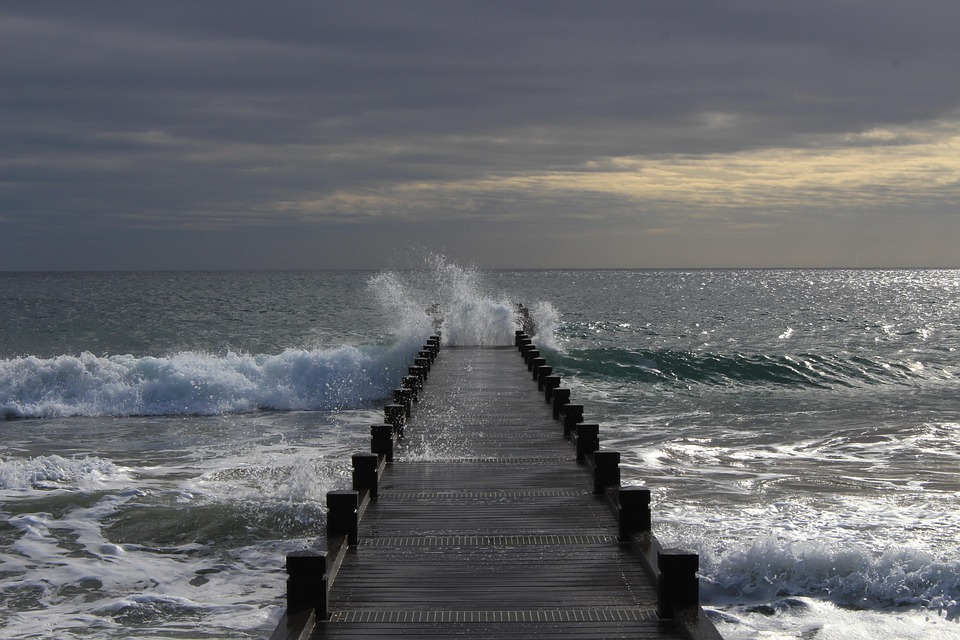
Image by from
Aha Point in Okinawa is an exposed beach/jetty break that has fairly consistent surf. It is a low-tide spot and hence, more often than not, pretty crowded.
The swells in the beaches out here are pretty unpredictable; however, the right swells do come through, offering opportunities for awesome surfing experiences.
Consider surfing out here only if you are a professional surfer, as you will face quite sharp reef breaks.
The best part about surfing in Okinawa is that the water on the beaches around here remain warm for most of the year.
Summer offers the best conditions for surfing. Offshore winds are from the southwest. Most of the surf comes in the form of wind swells and the ideal wave direction is from the northeast.
The beach breaks peel to the right. Watch out for rocks.
Uchiura Bay – Hokkaido

Image by from
Summertime from August to November attracts a large number of surfers visiting Hokkaido, Japan’s second largest island.
Hokkaido is the second-largest island in Japan.
During the summer months is when typhoon swells mostly uncover themselves in the Pacific Ocean, thus giving the east coast, including Uchiura Bay, some good waves.
Hokkaido, being extremely cold especially during the winters, is generally empty with only regular local surfers hovering around.
If you are as enthusiastic a surfer as the locals, then you are going to love the peace and quiet of this beach.
The seasons starts when typhoons generate large surfable swells just before or after the storms hit the ground.
The best surfing highlight of Hokkaido is the Uchiura Bay with its famous tranquil beach vibe.
Chigasaki – Kanagawa

Image by from
Chigasaki Jetty in Kanagawa and Chiba is a fairly exposed beach/jetty break that has reliable surf offshore winds blow from the west.
Windswells are much more typical than groundswells and the ideal wave angle is from the southeast. The beach breaks offer lefts and rights.
Chigasaki City is located at western Shonan area, and Chigasaki Southern Beach is about 2 km away from JR Chigasaki Station, which you can access from Tokyo Station within one hour.
The city has a deep surf culture and there are numbers of surf shops where you can rent the equipment.
Chigasaki Southern Beach is nowadays popular among foreign visitors. The waves are not so big usually, so I’d recommend it to beginners.
If you wish to avoid crowds and catch good waves, visit here in early morning!
Shirahama Beach – Shizuoka

Photo by Daniel Torobekov from
Shirahama Beach is one of the most popular beaches in Tokyo to not only surf but also swim. The sand dunes are not harsh and course and the water is crystal clear.
Shirahama is a large beach giving surfers plenty of space to surf. Shirahama is especially sensitive to an east swell. It is often small but catches a good swell from the south offering good surfing from the left of center.
Summers are the best time to surf or swim here. You can come here with your family and friends and have a good time.
You will find the beach packed with crowds most often than not. Do not worry if you don’t have a surfing board on you–you can easily rent gears from in and around the beach.
Amami Oshima – Kagoshima
Image by from
Bira Reef is an A-Frame slab that breaks on a rock shelf with an intense take off to tube. It’s the closest thing we have to Pipeline.
It is located about 380km south of Kagoshima. The Amami Oshima archipelago is a large surf island surrounded by the sea on all sides, where conditions improve due to low pressure and typhoon swells.
There are daily breaks at some surf spots, but the main break is on the Pacific side where conditions improve due to low pressure and typhoon swells.
You can surf all year round in the beautiful sea and warm climate. Leaf boots are essential because there are so many points for leaf & sand and boulder rock.
Kamogawa – Chiba

Image by from
Kamogawa is only a short distance away from the south of Chiba. The city is usually quiet crowded and invites plenty of surfers (both locals and tourists), owing to its accessible location.
It is one of the most talked-about sites to go surfing in Japan thanks to its accessible location.
Both native Japanese and foreign surfers crave to hit the waves at Kamogawa at least once in their lifetime.
During the summer months the swells are the best. Shonan and Kugenuma are the two most outstanding breaks, so expect to see lots from the crowd getting pulled in!
Surfing competitions of Tokyo Olympics were held at Tsurigasaki Surfing Beach, which is located about 50 km north of Kamogawa.
Prominent beach breaks such as Shonan and Kugenuma make Kamogawa a fun place to be at. The summer months offer the best waves. The waves are moderate but it does pull in a lot of crowds.
Kaifu River Mouth – Shikoku

Image by from
Japan’s not without its fair share of river-mouth waves, thanks to regular rainfall helping to build the estuary sandbanks needed for typhoon swells to break onto.
Maybe the best wave in Japan. Located at the mouth of the river Kaifu, when conditions are right this spot can produce an absolutely world class wave.
Kaifu is king. Undoubtedly the crowning glory of The Land Of The Rising Sun’s river-breaks, when this wave off the sleepy fishing village surrounded by magic mountains goes, it goes.
On its day it has been known to spit up heavy 12ft barrelling rights in the August-September peak season, making it a legit bucket-list break for the more experienced amongst us.
Aoya (Tottori) – Japan Sea

Image by from
The surfing point is located on the west side of Nagaobi Cape, about 300m east to west. The waves are mostly tapered or damper. The cape makes it easy to dodge the northeast wind.
The quality of the waves in the Japan Sea is tremendous.
The winter swells are massive so if you are willing to be tested by the cold and chilling waves, then you must surf out here.
Several local surfers and even professional surfers from outside enjoy the waves, between the months of December and April.
Moreover, in the Japan Sea in Aoya, summer months are not the best time for surfing. Do carry your wetsuits and gloves to brave the snow.
Citywave Tokyo
Address: 2 Chome-1 Hiromachi, Shinagawa City, Tokyo 140-0005, Japan
Phone: +81 80-4142-4805
| HOURS | Mon, Wed, Thu, Sat | 9 am – 11 pm |
| Tue, Fri, Sun | 7 am – 10:30 pm |
Just five minutes from Oimachi Station in Shinagawa, City Wave gives you all the thrills of surfing without having to head out to an actual beach.
This artificial pool offers waves ranging from 80cm to 120cm in height, and lets you ride on constant and stable waves, which is ideal for learning and developing your own style.
Citywave Tokyo wave pool – a small but does-the-job permanent wave for those desperate to get wet.
The surfing centre provides lessons for beginners all the way up to advanced levels; there are also special classes for kids over seven years old.
You can even book the entire surf pool for private use. In any case, City Wave will provide you with a soft surfboard, a wet suit and a helmet for free.
As it happens Japanese surf culture and infrastructure is one of the biggest in the world.
With more spots than you could surf in a lifetime, surfing in Japan is something you absolutely have to try if you find yourself over there at the right time of year.
As an island nation with great beaches, Japan offers plenty of exciting spots where you can hit the waves waiting to be discovered.
Planning a trip to Â鶹APP ? Get ready !
These are ´¡³¾²¹³ú´Ç²Ô’²õÌý²ú±ð²õ³Ù-²õ±ð±ô±ô¾±²Ô²µÂ travel products that you may need for coming to Â鶹APP.
Bookstore
- The best travel book : Rick Steves – Â鶹APP 2023 –Ìý
- Fodor’s Â鶹APP 2024 –Ìý
Travel Gear
- Venture Pal Lightweight Backpack –Ìý
- Samsonite Winfield 2 28″ Luggage –Ìý
- Swig Savvy’s Stainless Steel Insulated Water Bottle –Ìý
We sometimes read this list just to find out what new travel products people are buying.


