
 English


Volvo Museum,Gothenburg,Aug 2009. Photo by allen watkin.
Top 10 Intriguing Facts about VOLVO Museum
Gothenburg, Sweden, is home to the Volvo Museum. The museum, which spans 8000 square feet, depicts the evolution of an extremely well-known automobile company, Volvo, since 1927. The museum features a diverse collection of Volvo automobiles, including cars, trucks, buses, construction equipment, marine engines, and unique concept vehicles. The Volvo Ocean Race and Volvo Golf Experience are also on display at the museum.
A visit to the Volvo Museum takes you on a journey through the company’s evolution and development. One can enjoy the entire range of Volvo’s long-standing vintage as well as cutting-edge current and upcoming designs and prototypes. A visit to the Volvo Museum will also provide you with more information about the Volvo brand, its rich heritage, and its iconic status not only in Sweden but around the world.
1. The VOLVO Museum preserves Volvo’s history and makes it available to the public
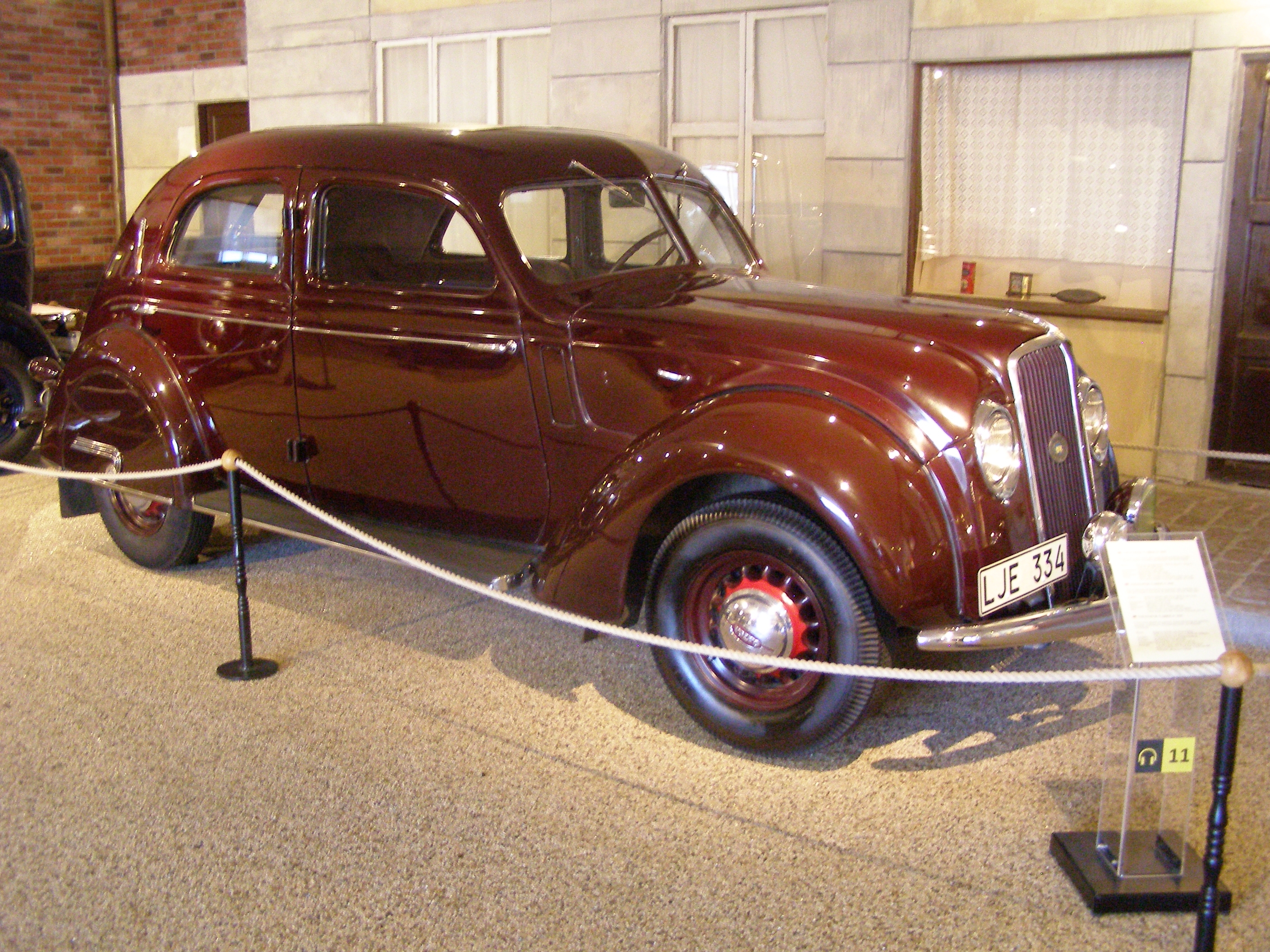
Gothenburg – Volvo Museum – Volvo PV36 Carioca. Photo by Andrzej OtrÄ™bski.
Volvo Car Group and Volvo Group run the museum (including Volvo Trucks, Volvo Buses, Volvo Penta and Volvo Construction Equipment). Their collection has grown steadily since its inception in 1995. Aside from the products on display, they’ve created a comprehensive archive of historical documents and images, providing a unique look into the history of what became one of Sweden’s most successful companies, and a museum for all of Volvo.
2. The Volvo Museum has a café with a beautiful view
Sit down at the Volvo museum café for a sandwich and a cup of coffee, tea, or a cool soft drink. What about the weather? Take a seat outside and enjoy some ice cream while admiring the view. After a morning of exploring, why not stop by the Volvo Cars International Café for lunch or a drink? Monday through Friday, 8 a.m. to 3.30 p.m.
3. It has a shop with unique products
The Volvo Museum souvenir shop has everything from clothing and accessories to books, toys, collector’s models, and classic advertising posters – ideal gifts for Volvo fans of all ages. Some of the items are not available elsewhere.
4. The Volvo Museum has a large multifunctional event hall
The Volvo Hall can accommodate a wide range of events and features cutting-edge AV production technology, wireless network connections, conference call equipment, and video conference technology. In our auditorium, room sizes range from 5 to 250 people.
A new World of Volvo is on the way, with a variety of meeting rooms, including a dedicated broadcast studio, a lounge, and an educational space. Small meetings, large conferences, and major events with up to 1100 participants can all be held. Whatever the size of the event, their inspiring facilities, great hospitality, and excellent food will ensure a successful event.
5. It houses the most popular car in Sweden during World War II
As you walk through the museum, you will come across the PV444, the car that was more than anything else. It represents Volvo’s success. It was the first popular car in Sweden when the automobile began to flourish again after WWII.
6. A special section of the Volvo Museum is dedicated to Volvo’s success in international motorsport

Gothenburg – Volvo Museum. Photo by Andrzej OtrÄ™bski.
The museum displays Volvo’s various victories in international motorsport. From the PV models that made rally legends Tom Trana, G-M Skogh, and Gunner Anderson to the racing cars that are frequently the first to cross the black and white finishing line in today’s touring car championship.
7. It has a celebrity and collectible P1800, a true legend
The museum is celebrating its 60th anniversary with a special exhibition about the fantastic automobile. The P1800 Coupe or the 1800ES is considered the most beautiful by enthusiasts. This Volvo model became well-known as a result of its appearance in the film “The Saint,” in which Simon Templar (Roger Moore) drove it.
8. In 1959, the Volvo Museum unveiled a new sports car

Gothenburg – Volvo Museum – Volvo 142. Photo by Andrzej OtrÄ™bski.
This occurred exactly two years after the previous attempt, with a body made of fiber glass reinforced polyester. Because Volvo did not have the capacity to build the car itself, production was contracted to England during the first years, with a company called Pressteel making the bodies and Gensen Motors doing the final assembly. In 1963, the P1800 assembly was relocated to Lundbyverken in Gothenburg.
This was made possible by the new Torslandaverken, which was inaugurated in 1964 and significantly increased its production capacity. In connection with this, a S was added to indicate that it was constructed in Sweden. In 1969, the body production was also transferred to Sweden, and Olofstromsverken was launched in conjunction with that.
9. The new Volvo World In 2024, it will be a landmark in Gothenburg

Gothenburg – Volvo Museum – Volvo Philip prototype. Photo by Andrzej OtrÄ™bski.
The World of Volvo, which is currently under construction, will become a new landmark in Gothenburg, located just south of Liseberg next to the E6, right in the heart of the city’s new entertainment district. Aside from exhibitions, shows, and events, the 22000 square meter structure will also house a conference room, an events hall, a bistro, and a restaurant.
The building, designed by Danish Henning Larsen, has a light and airy Scandinavian feel and makes extensive use of natural materials. The Volvo Universe Is expected to be finished by the end of 2023 and open in early 2024. When the Volvo World opens in early 2024, the Volvo Museum will join us as part of the new meeting place.
10. The Volvo Museum honors a rich tradition

Gothenburg – Volvo Museum – Volvo YCC. Photo by Andrzej OtrÄ™bski.
Volvo Trucks has a long history, producing its first truck in 1928, and the vehicles have clearly progressed. However, the Volvo Museum in the company’s hometown of Gothenburg, Sweden, pays tribute to the cars and trucks that helped build the brand. It all starts with the first truck, the LV40, which was built on a PV4 chassis in February 1928 and shared many similarities with the first two cars, the OV4 and PV4.
Planning a trip to Â鶹APP ? Get ready !
These are ´¡³¾²¹³ú´Ç²Ô’²õÌý²ú±ð²õ³Ù-²õ±ð±ô±ô¾±²Ô²µÂ travel products that you may need for coming to Â鶹APP.
Bookstore
- The best travel book : Rick Steves – Â鶹APP 2023 –Ìý
- Fodor’s Â鶹APP 2024 –Ìý
Travel Gear
- Venture Pal Lightweight Backpack –Ìý
- Samsonite Winfield 2 28″ Luggage –Ìý
- Swig Savvy’s Stainless Steel Insulated Water Bottle –Ìý
We sometimes read this list just to find out what new travel products people are buying.


