
 English


Image by from
30 Interesting Facts about Norway
Welcome to the land of the midnight sun, fjords and stunning natural beauty – Norway. Known for its natural beauty, culture and history. This Scandinavian country is famous for its breathtaking landscapes, vibrant cities, and unique cultural heritage. It is one of the most prosperous nations in the world, with a high standard of living, excellent social welfare, and a strong economy. This Scandinavian country has captured the imaginations of people from all over the world.
Norway is a place of contrasts and contradictions, where ancient traditions and modern innovations coexist in perfect harmony. Whether you’re a seasoned traveller or simply curious about the world around you, join us on a journey through the land of the midnight sun and discover what makes Norway such a special and unique place. Located in Northern Europe, Here are 30 interesting facts about Norway that will give you a glimpse into the rich history and culture of this Nordic nation. From its Viking roots to its love of skiing, there are plenty of fascinating facts to discover about this captivating country.
1. Norway is Simply Stunning!
Millions of people visit Norway attracted by its spectacular natural scenery. Breathtaking fjords, towering mountains, crystal-clear lakes and vast forests. Hiking, skiing, fishing and kayaking do not disappoint. UNESCO World Heritage site Geirangerfjord is a famous natural landmark. The stunning waterfalls, including the Seven Sisters and the Suitor surrounded by steep mountains, are found here. For nature lovers, there are national parks, including Jotunheimen, Rondane and Dovrefjell-Sunndalsfjella, which offer opportunities to see wildlife such as reindeer, elk, and musk oxen.
2. Bask in the Midnight Sun
The midnight sun is a natural phenomenon that occurs in Norway and other countries located in the Arctic Circle. During the summer months means that the sun does not fully set below the horizon in areas north of the Arctic Circle because of the tilt of the Earth’s axis and its orbit around the sun. This results in a period of 24-hour daylight, where the sun is visible even at midnight. The northern regions such as Tromso and Svalbard Norway, are where to best experience this phenomenon between late May and mid-July. The midnight sun attracts visitors from all over the world.
Related Read: 5 Best Cities to Visit in Norway.
3. Norway is a Kingdom

Arms of the Kingdom of Norway. Image by Pichasso from
Norway is a constitutional monarchy which is a system of government in which a monarch is a supreme authority in a country. The country is then referred to as a “kingdom”. The Kingdom of Norway is a parliamentary constitutional monarchy. The country’s history dates back to the time of the Vikings. The Norwegian King or Queen unite the Norwegian people and play an important role in the country’s history and culture. Norway’s constitutional monarchy and the country’s longstanding customs and cultural heritage are reflected in the name ‘Kingdom of Norway’.”
4. King Harald V is the Current Sovereign
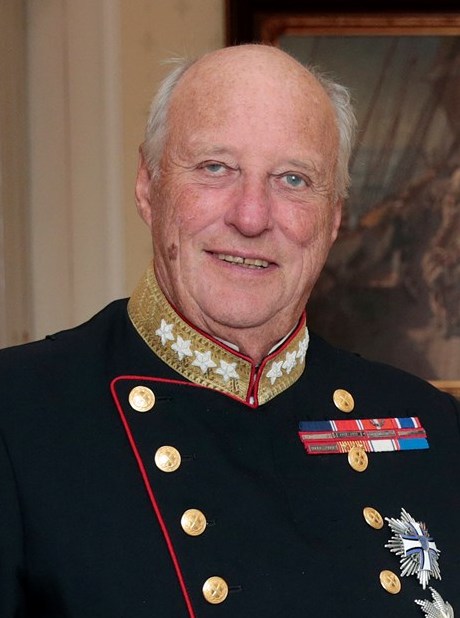
King Harald V of Norway. Image by Estonian Foreign Ministry from
The current King Harald V ascended to the throne on January 17, 1991. The event followed the death of his father, King Olav V. Before becoming king, Harald V served in the Norwegian Armed Forces and attended universities in Norway and the United States. As King of Norway, Harald V has constitutional and ceremonial duties, including representing Norway at official state functions and serving as the symbolic head of the Norwegian armed forces. Environmental sustainability and peacekeeping have been his priority at the international level. Harald V is married to Queen Sonja, and they have two children, Crown Prince Haakon and Princess Martha Louise.
5. Home to the World’s Longest Road Tunnel

Image by Generish from
Lærdal Tunnel Norway is the world’s longest road tunnel. The tunnel is located in western Norway, running between the towns of Aurland and Lærdal, and is a part of the European Route E16 highway. The Lærdal Tunnel measures 24.51 km (15.23 miles) in length and was opened in 2000. It was built in difficult mountainous terrain to improve transportation between the eastern and western parts of Norway. The safety features include emergency phones, fire alarms and fire extinguishers. To prevent the buildup of exhaust fumes it has a system of ventilation that provides fresh air.
Top 10 Amazing Facts about Flam Norway
6. Norway Borders Russia

Image by Artemii Katkob from
Norway and Russia’s land border stretches for approximately 196 kilometres (122 miles) in length. The Norway and Russia border was established in 1826. The region where it is located is remotely and sparsely populated and covered by forests and wetlands. The border runs along the Pasvik River and through the Pasvik Valley. There have been occasional border disputes over the years. However, both countries have generally maintained good relations and worked to manage the border in a peaceful and cooperative manner.
7. Income Tax and Wealth is Public Information
Wealth records and income tax returns are not considered public records in Norway. Public databases and registers provide access to specific income and wealth data. A public database called “Skattaten” contains data on taxable income and taxes paid by individuals and corporations. Anyone can search this database to find income and taxes paid by a particular individual or business. In addition, the Norwegian registration centre Brännysund maintains the ‘Enhetsregisteret’, a database providing information about registered companies and organizations, including owners, directors and financial data. This database is public.
Related Read: 10 Wealthiest People from Norway.
8. Land ‘0’ Lakes
Norway has an estimated 400,000 lakes spread throughout the country. From small and shallow to large and deep can be found here. Many of Norway’s lakes are located in remote and pristine areas. Stunning natural scenery such as forests, mountains and glaciers surround the water bodies. Lake Tinnsjø Located in southeastern Norway, is known for its clear water and its role in the transportation of heavy water during World War II. While Lake Vänern is located in neighbouring Sweden and southeastern Norway and is the largest lake in the European Union. It is known for its diverse wildlife and recreational opportunities.
9. The Nobel Peace Prize Home
The Norwegian Nobel Committee awards the Nobel Peace Prize annually in Oslo, Norway. Alfred Nobel, a Swedish chemist, engineer and inventor, established the prize was by and is one of five Nobel Prizes that are awarded every year. Individuals or organizations who have made significant contributions to promoting peace and resolving conflict are the recipients. The award ceremony takes place on December 10th, the anniversary of Alfred Nobel’s death at the Oslo City Hall.
Related Read:Top 10 Remarkable Facts about the Nobel Prize Museum.
10. UNESCO World Heritage Sites
As of 2021, Norway boasts eight UNESCO World Heritage Sites. Each site is recognized by UNESCO for its cultural, natural or mixed significance. Bryggen Wharf in Bergen is one of the most notable sites. It is a medieval wharf that has been in continuous use since the 14th century. Another remarkable site is the Røros Mining Town and the Circumference, a mining town established in the 17th century that has been preserved as a living museum. The diverse collection of World Heritage Sites showcases the country’s rich history, culture and beauty
Related Read: Top 10 Castles to Visit in Norway.
11. Come Enjoy the Northern Lights
The auroral oval, is a ring-shaped region around the magnetic north pole where the chances of seeing the Northern Lights are high. Norway is located in this oval. Because of their clear skies, low light pollution, and easy accessibility, Tromso and Lofoten are ideal for viewing the Northern Lights. September and early April and December to February is the best time to see the Aurora Borealis (Northern lights) in Norway. The nights are long and dark, providing ample opportunities to see the Northern Lights dancing in the sky. Being a natural phenomenon and is dependent on various factors, including solar activity and weather conditions.
12. Japanese Sushi, Norway Salmon

Image by from
Salmon sushi has been part of Japanese cuisine known as “sake nigiri.” Norway is a major supplier of high-quality and fresh salmon for sushi to Japan in recent years. For many years, Japanese sushi chefs have been incorporating salmon into their sushi dishes and have become a popular ingredient among Japanese consumers. It took time to happen though, as the Japanese were originally concerned with the health impact of eating raw salmon.
13. Artistic Land that has given forth Famous Artsists
Throughout history, Norway has had a rich artistic heritage. It is also home to many famous artists. Edvard Munch painted the iconic painting “The Scream.” “A Doll’s House” and “Hedda Gabler” are playwright Norwegian Henrik Ibsen’s works. He is from Norway. Gustav Vigeland’s (Norwegian sculptor) works can be viewed in Oslo’s Vigeland Sculpture Park. There are many more talented artists from Norway.
Top 10 Most Famous Singers from Norway
14. Norwegian, Danish and Swedish are Similar

Image by from
The three Germanic languages share many similarities in terms of grammar, vocabulary and pronunciation i.e. Norwegian, Danish and Swedish. To varying degrees, n written communication the speakers of these languages can often understand each other. For these speakers, they can understand the languages with little effort and familiarity. Norwegian and Swedish are more similar to each other than Danish. Furthermore, many words in these languages are similar or identical. Additionally, there are differences in grammar and syntax that can also create barriers to mutual intelligibility. There are many similarities that Norwegian, Danish, and Swedish share and can be partially mutually intelligible, but they are still distinct languages with their own unique features and complexities.
15. The Land of Wild Reindeers

Image by from
Norway holds the largest wild reindeer herd in the world. With an estimated population of around 10,000 individuals, it is known as the Hardangervidda herd and roams the vast mountain plateau of Hardangervidda, which is located in central Norway. Reindeer, also known as caribou, are well adapted to life in the Arctic and subarctic regions of the world, including Norway. They have large antlers and are well-adapted to survive in harsh winter conditions. They graze on lichens and other vegetation found under the snow. For thousands of years, the Hardangervidda herd has been an important resource for the people of Norway providing food, clothing and other materials. Today, the herd is protected and managed by the Norwegian government.
16. Norway Knighted a Penguin

Image by Mark Owens from
Sir Nils Olav a penguin, was knighted by the Norwegian King’s Guard in Edinburgh, Scotland in 2008. Sir Nils Olav is not a wild penguin, but rather a resident of the Edinburgh Zoo. The penguin was given the title of “knight” as part of a longstanding tradition between the Norwegian King’s Guard and the Edinburgh Zoo. In 1972 the King’s Guard adopted a king penguin chick from the Edinburgh Zoo and named him Nils Olav in honour of Norway’s King Olav V. Since then, through promotions the penguin has risen through the ranks of the King’s Guard to the rank of colonel-in-chief in 2005. Sir Nils Olav, a resident of the Edinburgh Zoo, has been given the title of “knight” as part of a unique and longstanding tradition between the King’s Guard and the zoo.
17. Norway Ranks High on the Prosperity Index
Norway is 3rd in the overall Prosperity Index rankings. Since 2011, Norway has remained at the same position. Norway ranked 1st out of 167 countries in the 2021 Legatum Prosperity Index. Factors that determine the ranking include, wealth, economic growth, education, health, personal well-being, and quality of life. Usually, 167 countries and territories were ranked where South Sudan was in last place at 167th. Governance, education and social capital account for Norway’s high ranking.
10 Most Beautiful Countries to Visit.
18. Wanna Visit Hell? Go to Norway
Hell is a village in Norway, located in the municipality of Stjørdal in Trøndelag County. Despite its ominous name, Hell is actually a peaceful and picturesque village that has become quite popular with tourists due to its unusual name. Visitors to Hell can even have their postcards stamped with the famous postmark “Hell, Norway” as a souvenir.
19. LGBT Rights Torch Bearers

Image by from
In 1981 Norway was the first country in the world to enact a law protecting gay and lesbian individuals from discrimination. Norway amended its anti-discrimination law to include sexual orientation as a protected category. This made Norway a leader in the protection of the rights of LGBT persons.
Related Read: The Best LGBTQ Areas in Â鶹APP.
20. The Trafalgar Square Christmas Tree is from Norway
As a symbol of friendship and gratitude for Britain’s support during World War II, Norway donates a Christmas tree to the United Kingdom. Since 1947 a tree has been sent to London each year. The 20 meters tall tree is decorated with lights, ornaments and a Norwegian flag on top. It is placed in Trafalgar Square, where it serves as a focal point for London’s Christmas celebrations. The tree is selected from forests around Oslo, Norway’s capital, and is cut down in November before being transported to the UK. The lighting ceremony is held in early December and is attended by representatives from both Norway and the UK.
15 great Facts about Christmas.
21. Experience Polar Nights Here
During the winter months, a unique phenomenon called Polar Nights occurs in Norway. In this natural event, the sun remains below the horizon for more than 24 hours. In the Northern parts of Norway such as Tromsø, the phenomenon is most pronounced. Mid-November and mid-January is the best time to experience Polar Nights in Norway. Northern Lights (Aurora Borealis) can also be seen due to the lack of sunlight. Tromsø is a popular destination for visitors looking to experience Polar Nights. People’s moods can be affected by the lack of sunlight during Polar Nights it’s recommended to bring a light therapy lamp if you plan on spending an extended amount of time in Norway during this time.
22. Christmas Brings a Real Cheer in Norway
In Norway Christmas is a big and important holiday! Norwegian culture has many unique traditions and customs relating to it. The Christmas tree is lit on the first Sunday of Advent. The baking of traditional Christmas treats, and decorating of homes with wreaths, candles and other festive decorations follow. Norwegians also have a strong tradition of attending church on Christmas Eve, with many churches holding candlelit services known as “julegudstjenester”. The holiday cheer is spread in family gatherings where gifts are exchanged. No feasting is complete without traditional Christmas dishes such as “ribbe” (roast pork) and “lutefisk” (a type of preserved fish).
Related Read: 100 Most Popular Christmas Songs of All Time
23. Breathtaking Waterfalls

Waterfall in Norway. Image by Berit from
Norway is naturally beautiful. Because of its rugged terrain and ample water sources, it has some of Europe’s most impressive waterfalls. Vøringsfossen is the most well-known waterfall in Norway is located in the Hardangervidda National Park, which boasts an impressive drop of 182 meters (597 feet). Another notable waterfall is Kjosfossen.
24. Norway is One Happy Place
The World Happiness Report, which is released annually ranks Norway among the top happiest countries in the world. The contributing factors include the country’s strong social welfare system, high standard of living, low levels of corruption, access to healthcare, education and a strong sense of community and social cohesion. Additionally, Norway’s beautiful natural landscapes and emphasis on work-life balance also contribute to a high quality of life for its residents.
Top 10 Amazing Facts about Flam Norway.
25. Home to the Sami People

A Sami Family in 1900. Image by Unknown Author from
The Sami people are found in the northern regions of Norway, Sweden, Finland and Russia’s Kola Peninsula. They have a distinct culture, language and way of life. Their traditional territory is known as Sápmi. The Sami people were semi-nomadic in the past, earning their living by herding reindeer, fishing, and hunting. Even though many Sami people still live their traditional lives, they also participate in modern businesses and economies. Northern Sami, Lule Sami, Southern Sami, and Inari Sami are among the Sami languages. In order to promote and safeguard Sami’s rights and interests, the Sami Parliament, which represents the Sami people in Norway, Sweden, and Finland, was established in 1989.
26. Oslo is an Arts Hub
Museums, galleries and cultural events make Oslo home to a vibrant arts and culture scene. The numerous galleries showcase the work of both established and emerging artists. The Munch Museum, which houses the largest collection of works Edvard Munch and the National Museum of Art, Architecture and Design are some of the most notable arts and cultural institutions. The Oslo Opera House is considered one of the most iconic buildings in the city. Oslo is also home to numerous theatres, music venues and festivals, including the annual Oslo Jazz Festival, which draws musicians and fans from around the world.
Related Read: 30 Famous Portrait Painters that History will Remember.
27. English is the Second Language
English is not an official language in Norway but is widely spoken and understood throughout the country. Norway consistently ranks as one of the countries with the highest English proficiency in the world. A large percentage of the population speaks it fluently as a second language. Many Norwegians learn English in school from a young age. English-language media and entertainment are widely available. Additionally, Norway has a significant international presence in business, academia, and tourism, which further encourages the use and proficiency of English.
28. In Norway, there is No Official Religion
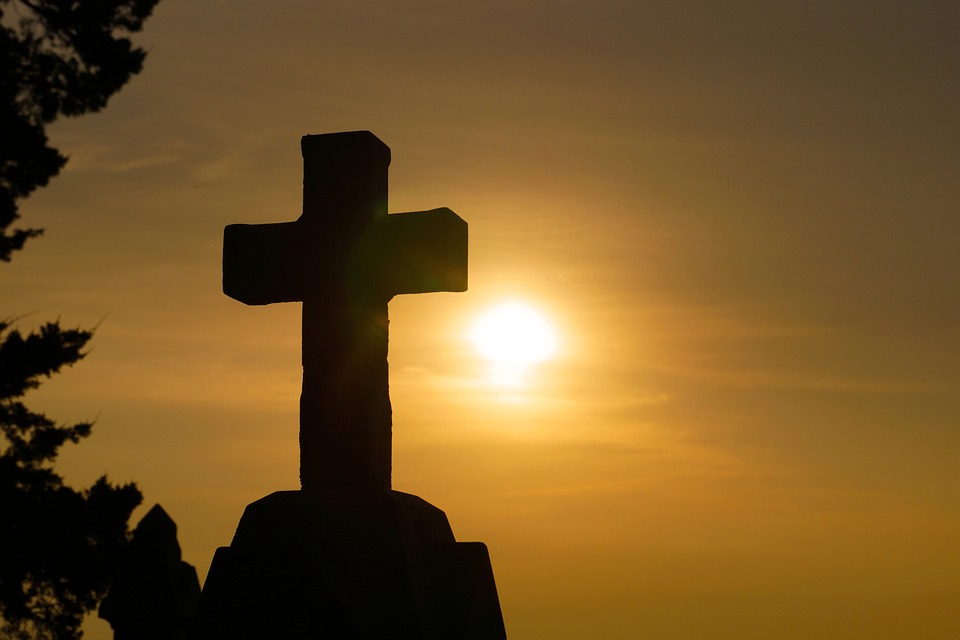
Image by from
Norway’s Constitution guarantees the freedom of religion. The state is neutral regarding religion. The government doesn’t support and promote one religion or any particular religious denomination. However, Norway accords the Church of Norway, the nation’s largest religious organization, special status. The Church of Norway was the official religion of the country prior to its separation from the state in 2012. It is still a separate legal entity today, but the government still provides some funding. Any religion can be practised freely. To foster understanding and dialogue among people of different faiths a number of Norwegian institutions and organizations work.
29. Immerse yourself in the Culture

Image by Heidi Fossnes/Magasinet BUNAD from
The bunad is a traditional Norwegian costume that is typically worn on festive occasions such as weddings, national holidays, and other special events. The bunad is a symbol of Norwegian heritage and is often seen as a way to connect with the country’s rich cultural history. There are many different styles of bunad, each one associated with a specific region of Norway. The costumes are typically made of wool and feature intricate embroidery and other decorative elements. Jewellery and the bunad are often passed down through families as heirlooms. The bunad was seen as a cultural identity and it quickly became popular throughout the country. Today, the bunad is still an important part of Norwegian culture, and many people take great pride in wearing their traditional costumes. While the bunad is typically reserved for special occasions, it is also sometimes worn as everyday clothing in certain parts of Norway.
30. Norway is also A Land of Champions
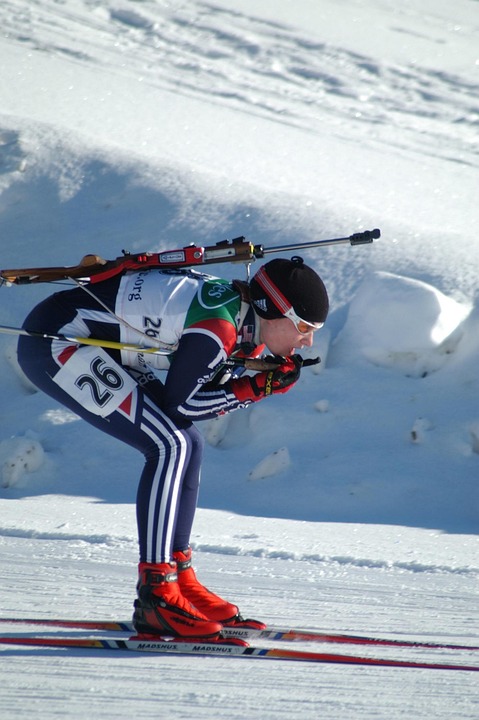
Image by from
Norway has won more Winter Olympics medals than any other nation as of the 2022 games, with a total of 368. This total includes 132 gold medals, 125 silver medals and 111 bronze medals. In winter sports, Norway has a long track record of accomplishments particularly in cross-country skiing, biathlon and ski jumping. The land of the ‘Midnight Sun’ has consistently performed admirably at the Winter Olympics.
Rich history, culture and natural beauty are what make, Norway stand out. From its stunning fjords and mountains to its famous cuisine and traditions, Norway has much to offer visitors and residents alike. Norway is a fascinating and welcoming country that is well worth a visit. Explore its national parks, learn about its indigenous people, or simply enjoy its delicious seafood.
Planning a trip to Â鶹APP ? Get ready !
These are ´¡³¾²¹³ú´Ç²Ô’²õÌý²ú±ð²õ³Ù-²õ±ð±ô±ô¾±²Ô²µÂ travel products that you may need for coming to Â鶹APP.
Bookstore
- The best travel book : Rick Steves – Â鶹APP 2023 –Ìý
- Fodor’s Â鶹APP 2024 –Ìý
Travel Gear
- Venture Pal Lightweight Backpack –Ìý
- Samsonite Winfield 2 28″ Luggage –Ìý
- Swig Savvy’s Stainless Steel Insulated Water Bottle –Ìý
We sometimes read this list just to find out what new travel products people are buying.


