
 English


Meditative statue with flowers. Photo by Chris Ensey
Top 10 Interesting Facts about Chaukhtatgyi Buddha Temple
Chaukhtatgyi Buddha Temple (Burmese: ခြောက်ထပ်ကြီးဘုရားကြီး) is the most well-known Buddhist temple in Bahan Township, Yangon, Yangon Region, Myanmar. It houses one of the most revered reclining Buddha images in the country. The Buddha image is 66 metres (217 ft) long, and one of the largest in Burma.
Sir Po Tha, a wealthy Burmese Buddhist, funded the construction in 1899. Another building company finished the image in 1907, but it was not properly symmetrical, and the Buddha’s face had a hostile appearance.
The old Buddha image was destroyed in the 1950s, and temple commissioners began work to replace it under the oversight of U Thaung, a master craftsman from Tavoy (now Dawei).
Naga Glass Factory custom-made large glass eyes measuring 1.77 by.58 metres (5 ft 10 in 1 ft 11 in). In 1973, the Buddha image was dedicated.
1.The small details of the Paya Chaukhtatgyi (Chaukhtatgyi Buddha Temple)
The huge laid back Buddha at Chaukhtatgyi Paya (Chauk Htat Gyi Buddha) is encased with diamonds and other precious stones. A viewing platform allows tourists to get a good look at the exquisite attention to details on the Buddha statue’s feet, which have 108 segments—a sacred number for Myanmar’s Buddhists.
2.The fundamentals of the Paya Chaukhtatgyi (Chaukhtatgyi Buddha Temple)
The reclining Buddha at Chaukhtatgyi Paya is a popular tourist attraction for Buddhists in Myanmar, and you’re likely to see more monks than visitors. While Chaukhtatgyi Paya is not as well-known as some of Yangon’s other temples, it is part of some city tours.
As the Yangon Circular Railway runs nearby, it is possible to visit while discovering Yangon by train, whether on your own or as part of a group tour.
3.Things to consider before travelling to the Paya Chaukhtatgyi (Chaukhtatgyi Buddha Temple)
- Excellent for art lovers and those intrigued in Myanmar’s Theravada Buddhist traditions.
- Tourists must take off their shoes, so dress in something convenient to slip off.
- Keep shoulders and knees covered when dressing modestly here.
- Some tourists have experienced imposter “monks” soliciting donations.
- Donations can instead be placed in official boxes located within the temple.
4.How would you get to Chaukhtatgyi Buddha Temple as a first time traveller?
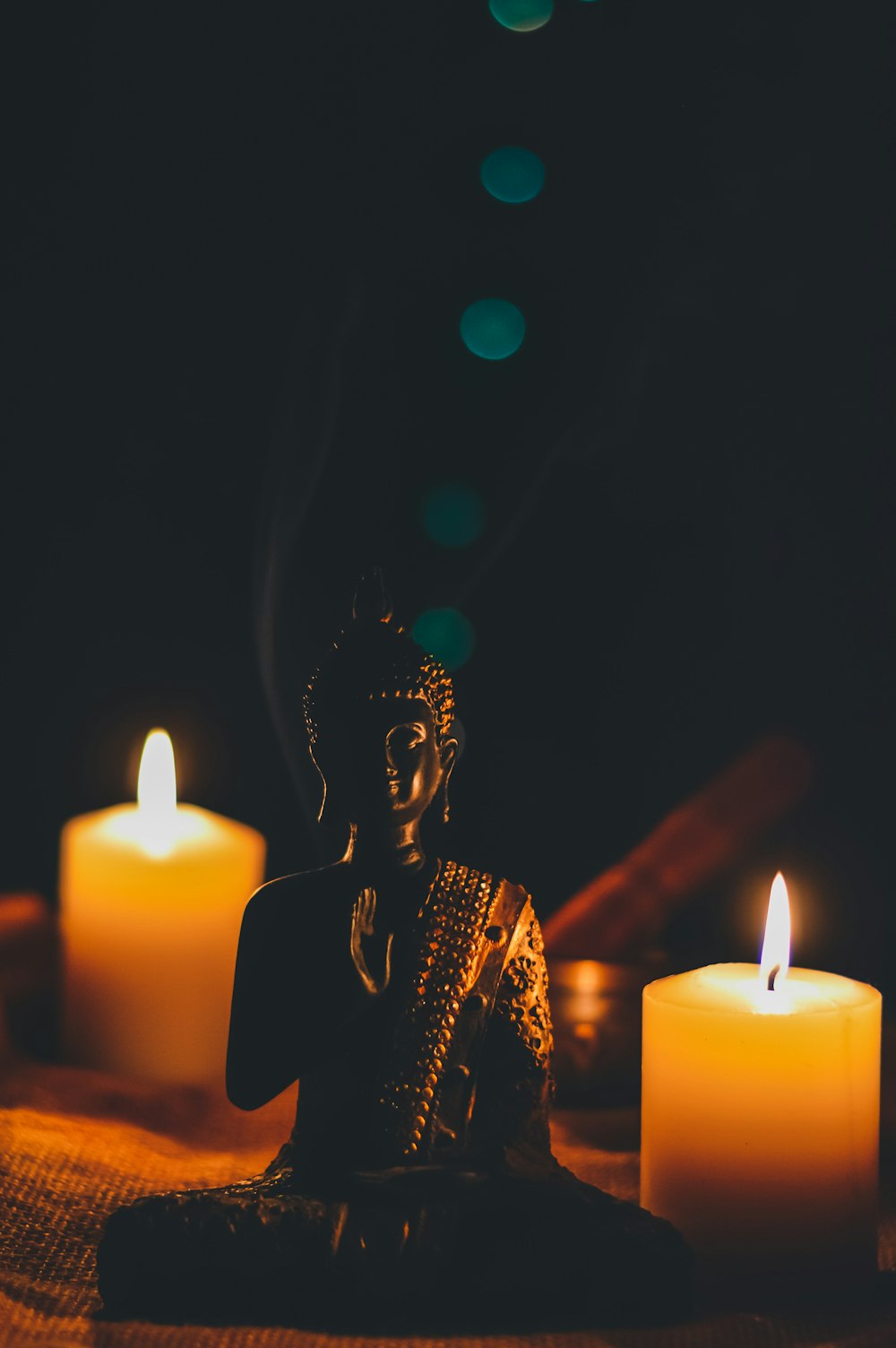
Spirituality in my mind. Photo by Moodywalk
Chaukhtatgyi Paya is located north of downtown Yangon on Shwegondaing Road. If you’re on a tour, they’ll take care of transportation; alternatively, you can take a taxi from the centre.
You can also take the Yangon Circular Railway to Myitta Nyunt Railway Station. It’s a 1.5-mile (2.4-kilometer) walk or taxi ride to Chaukhtatgyi Paya from there.
5.What is the most appropriate time to visit the Paya Chaukhtatgyi (Chaukhtatgyi Buddha Temple)?
The mornings are particularly are peaceful at Chaukhtatgyi Paya, although there is no bad time to visit because the site is rarely congested. On festival days, expect to see locals and see the temple come alive with a festive spirit.
6.Myanmar Buddhist Temple Tours such as to Paya Chaukhtatgyi (Chaukhtatgyi Buddha Temple)
Following a few unwritten rules can help ensure that your trip is polite and courteous of local customs. Remember that you must remove your shoes inside the temples and that modest attire is recommended—wear clothing that covers both shoulders and knees. Never point your feet at Buddha images, and never touch them. Women should avoid touching Buddhist monks as well.
7.What is the name of the Reclining Buddha?
Meditative statue with flowers. Photo by Chris Ensey
Wat Pho (Thai: วัดโพธิ์, pronounced [wát pʰōː], also spelled Wat Po, is a Buddhist temple complex in the Phra Nakhon District, Bangkok, Thailand.
It is on Rattanakosin Island, directly south of the Grand Palace. Known also as the Temple of the Reclining Buddha, its official name is Wat Phra Chetuphon Wimon Mangkhalaram Rajwaramahawihan (Thai: วัดพระเชตุพนวิมลมังคลารามราชวรมหาวิหาร; pronounced [wát pʰráʔ tɕʰê:t.tù.pʰon wíʔ.mon.maŋ.kʰlaː.raːm râːt.tɕʰá.wɔː.ráʔ.má.hǎː.wíʔ.hǎːn]).
The more commonly known name, Wat Pho, is a contraction of its older name, Wat Photaram (Thai: วัดโพธาราม; RTGS: Wat Photharam).
The temple is the first of six temples in Thailand to be designated as the highest grade of first-class royal temples. It is linked to King Rama I, who renovated the temple on the site of an earlier temple. It became his main temple and contains some of his ashes.
Rama III later expanded and extensively renovated the temple. The temple complex houses Thailand’s largest collection of Buddha images, including a 46-meter-long reclining Buddha.
The temple is regarded as Thailand’s first public education centre, and the marble illustrations and inscriptions placed in the temple for general populace guidance have been recognized by UNESCO in its Memory of the World Programme.
It is home to a Thai medicine school and is also the original home of traditional Thai massage, which is still taught and utilized at the temple.
8.This is in fact the largest Buddha in the world…..worth a visit!
Wat Pho is one of Bangkok’s biggest and oldest wats, spanning 50 rai (or 80,000 square meters). It houses over a thousand Buddha images, including one of the largest single Buddha images at 46 metres (151 feet) in length. The Wat Pho complex is divided into two walled compounds by Chetuphon Road, which runs east-west.
The larger northern walled compound, the phutthawat, is open to visitors and contains the finest Buddha-dedicated buildings, such as the bot with its four directional viharn and the temple housing the reclining Buddha.
The sankhawat, or southern compound, houses the monks’ living quarters as well as a school. The main temple complex’s perimeter wall has sixteen gates, two of which serve as public entrances (one on Chetuphon Road, the other near the northwest corner).
9.Chinese guardian figure beside a gate, Wat Pho
The temple grounds include four great chedis, 91 small chedis, two belfries, a bot (central shrine), a number of viharas (halls), pavilions, gardens, and a small temple museum. The chedis and buildings in the complex are all unique in size and design.
A number of massive Chinese statues, some of which depict Europeans, can also be found guarding the perimeter walls’ gates as well as other gates in the compound. Initially, these stone statues were shipped as ballast on ships trading with China.
10.When was the temple constructed?
Spirituality in my mind. Photo by Moodywalk
Chaukhtatgyi Buddha Temple was built in 1966 and was reconstructed in 1907.
Planning a trip to Â鶹APP ? Get ready !
These are ´¡³¾²¹³ú´DzÔ’²õÌý²ú±ð²õ³Ù-²õ±ð±ô±ô¾±²Բµ travel products that you may need for coming to Â鶹APP.
Bookstore
- The best travel book : Rick Steves – Â鶹APP 2023 –Ìý
- Fodor’s Â鶹APP 2024 –Ìý
Travel Gear
- Venture Pal Lightweight Backpack –Ìý
- Samsonite Winfield 2 28″ Luggage –Ìý
- Swig Savvy’s Stainless Steel Insulated Water Bottle –Ìý
We sometimes read this list just to find out what new travel products people are buying.


