
 English


15 Timeless Passover Traditions: Celebrating the Freedom and Joy of the Jewish Holiday
Passover, also known as Pesach, is a significant Jewish festival that commemorates the Israelites’ liberation from slavery in ancient Egypt. The sweet aroma of bubbling matzah ball soup fills the air as lively conversations overlay the symbols of a millennia-old ritual.
As familiar rituals unfold on Seder night, you’re transported through the millennia to relive the Jewish ancestor’s Exodus. Candlelit tables display Passover’s symbolic foods, kindling connections to the past as families recite the Haggadah together.
With first sips of wine, joy and hope fill your being while eating bitter herbs and salt water evoke tears endured before freedom dawned. The holiday is rich with traditions which have been passed down through generations, each carrying deep symbolic meaning. Join us as we explore how these 15 timeless traditions breathe ongoing meaning into this holiday.
1. Seder Plate

, CC0, via Wikimedia Commons
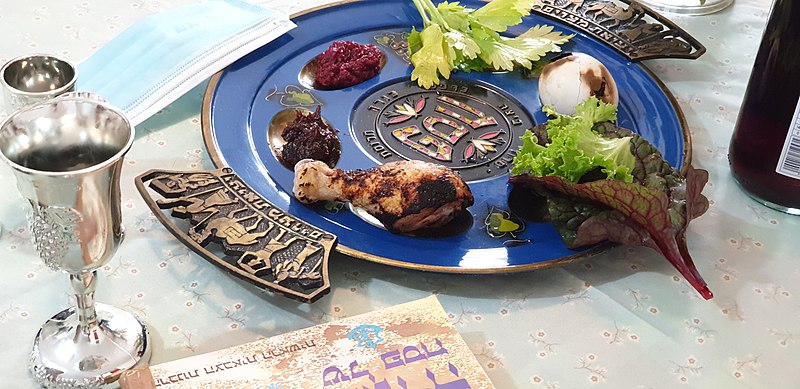
The Seder plate is a central element of the Passover meal, featuring symbolic foods that represent different aspects of the Exodus story. These include the lamb shankbone (representing the Paschal sacrifice), bitter herbs (symbolizing the bitterness of slavery), charoset (a mixture of apples, nuts, and wine representing mortar), a roasted egg (symbolizing sacrifice), and karpas (a vegetable dipped in saltwater representing tears). The Seder plate brings together these important symbolic foods that retell the story of the Israelites’ liberation from slavery in Egypt.
As the participants at the Seder consume these foods, they are transported back in time and asked to view the Exodus through the eyes of their ancestors who experienced redemption after generations of bitter enslavement. The combination of symbolic foods appeals to the senses with their tastes, smells, textures and appearances while deepening understanding of the historic Passover narrative.
2. Matzah

Image by from
Matzah, unleavened bread, is a key element of Passover. Its flat and crisp nature symbolizes the haste with which the Israelites fled Egypt, leaving no time for their bread to rise. Three pieces of matzah are traditionally placed in the Seder plate. Matzah hearkens back millennia to the panic and urgency of the Israelites’ departure from Egypt. As pharaoh finally relented after the 10th plague and allowed the enslaved Israelites to exit after generations in captivity, there was no time to allow bread to rise into plump loaves.
So the Israelites quickly baked unleavened matzah to sustain them on their flight to freedom. At the Passover Seder, consuming matzah reconnects participants to their ancestors’ harried escape, while the breakability of the crisp cracker reminds us of the fragility of their journey from enslavement to liberty.
3. Afikoman
, , via Wikimedia Commons
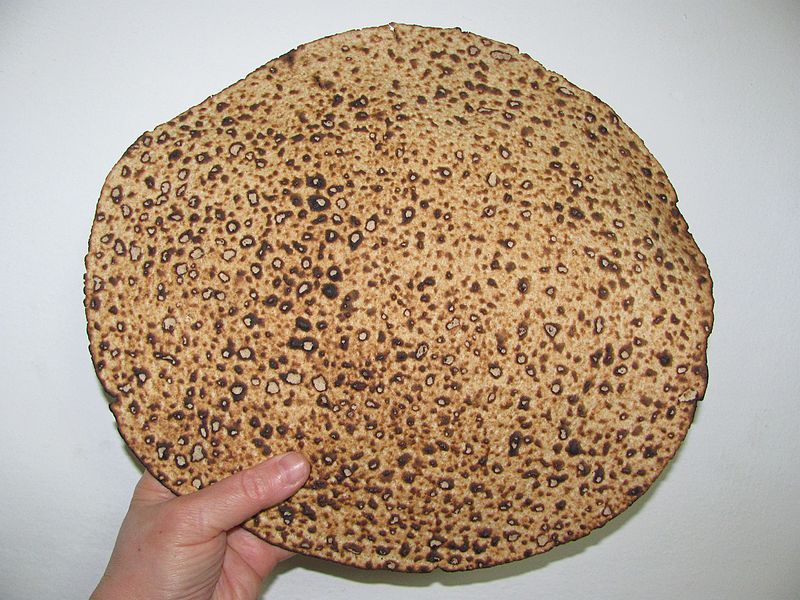
During the Seder, a piece of matzah called the afikoman is broken and hidden. Children search for it, and its discovery marks the end of the meal. This tradition fosters engagement and represents the brokenness of slavery. The afikoman is a piece of matzah that is broken at the start of the Seder meal. Typically the leader of the Seder wraps it in a cloth and hides it, often with the participation of eager children who yearn for the opportunity to find the hidden treasure later.
The search for the afikoman towards the end of the Seder meal allows an energetic conclusion focused on childhood innocence and unity. It also symbolizes the ravages of Egyptian enslavement and the fragmentation families experienced when they were not always allowed to be together or even keep their infants. Finding and restoring the afikoman represents the joy of liberty through the Exodus that allowed families and communities to fully reunite.
4. Four Cups of Wine
Four cups of wine are consumed during the Seder, each corresponding to a promise of redemption mentioned in Exodus. These cups symbolize joy, deliverance, redemption, and acceptance. Wine holds deep significance at the Passover Seder, with four special cups slowly imbibed as the narrative unfolds. These cups brim with major promises made to the enslaved Israelites – to take them out of Egypt, rescue them from bondage, redeem them, and accept them as God’s treasured people.
Partaking of the four cups heightens the emotions experienced as one internalizes the magnitude of transitioning from wretched enslavement to liberated free people embraced in covenant. Joy accompanies deliverance, while redemption elicits celebration, and acceptance evokes tranquility. The four cups deepen the sensory, intellectual and spiritual impact of the messaging behind this sacred, multi-layered holiday.
5. Dayenu
The Dayenu song is sung during the Seder, expressing gratitude for each stage of the Exodus. It emphasizes that each event alone would have been sufficient for thanks, reinforcing the concept of gratitude for liberation. Dayenu means “it would have been enough� in Hebrew.
This lively, cumulative song opens eyes to the overwhelming gifts bestowed during the Exodus – any single one deserving eternal gratitude from the people God shepherded from dehumanizing enslavement to freedom. Had God only split the sea but not provided food or water, it would have sufficed to thank God forever.
6. Mah Nishtanah
The youngest child present asks the Four Questions, which highlight the ways the Seder night is different from all other nights. Involving the youngest child present fosters active participation and engages young ones in the timeless tradition of the Passover Seder.
The Four Questions, traditionally chanted in ancient Aramaic, focus on the unique aspects of the Seder meal compared to regular dinners throughout the year – highlighting practices like eating only unleavened bread or bitter herbs, and dipping vegetables before partaking of them.
Beginning the Seder with the inquiries of a child sets a tone of curiosity, openness and interest in hearing the captivating tale of the Exodus. The questions asked on this singular, extraordinary night plant the seeds for explaining the symbols, rituals and various elements that make the Seder night exceptionally meaningful and important.
7. Cup of Elijah
, , via Wikimedia Commons
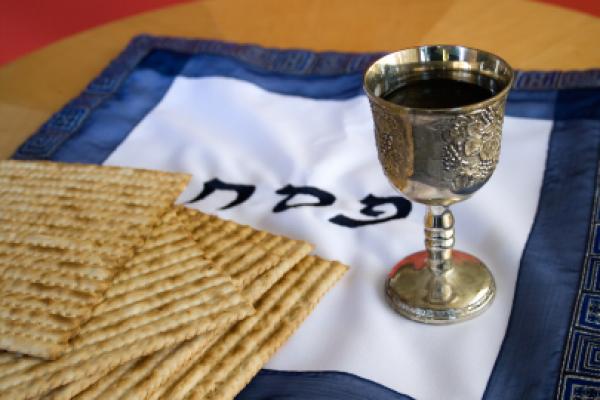
A special cup is set aside for the Prophet Elijah, who is believed to herald the arrival of the Messiah. This tradition symbolizes hope and the anticipation of a better future. A singular cup sits conspicuously filled but untouched waiting for the righteous prophet Elijah, who according to tradition will reappear as a harbinger announcing the arrival of the Messiah and subsequent messianic salvation for all humanity.
This cup brims with optimism, representing renewed hope that the brokenness of our fractured world will one day become wholly repaired through divine redemption led by a pioneering prophet and reassuring Messiah the day when we all raise a cup in inclusive celebration united by harmonious peace only the Messiah can usher in.
8. Miriam’s Cup
Some families include Miriam’s Cup, filled with water, to honor Miriam, Moses’ sister. It represents Miriam’s well, a mythical source of water that accompanied the Israelites during their desert journey. Recently gaining broader adoption is Miriam’s Cup – a chalice filled with water honoring Moses’ sister Miriam, prophetess and guardian who shepherded and sustained women during the Exodus, wandering and years in the wilderness.
The cup invokes a mythical miraculous well Miriam called forth which trailed the Israelites for 40 years providing abundant, replenishing water essential for survival. By quenching dangerous thirst in the parched desert wilderness, just as Miriam protected and nurtured the women, this mythical endless font of water infused and preserved heroic hope.
9. No Chametz
Before Passover begins, Jewish households engage in a thorough spring cleaning known as bedikat chametz to remove all traces of chametz, which refers to leavened products made from five major grains that are forbidden during the holiday. Tradition states that not even a crumb of chametz should be found in a Jewish home during Passover.
This intensive cleansing ritual symbolizes the removal of ego, pride, hesitation, and lethargy – states that can prevent spiritual growth. Just as the Israelites left Egypt in haste, with no time for their bread to rise, the removal of puffed-up chametz is a reminder to approach life and challenges with humility, vigor and faith.
10. Haggadah Reading

, Public domain, via Wikimedia Commons
The Haggadah, meaning “telling” in Hebrew, is the guidebook containing the complete order of the Passover Seder service and is central to the rituals and themes of the celebration. During the Seder, family members gather and take turns reading passages from the Haggadah.
This includes specific prayers, songs, the retelling of the Exodus story, and an exploration of the significance of the themes of slavery and freedom in each generation. The communal reading bonds family together and allows young and old alike to engage with the timeless tale of the Israelites’ journey from slavery in Egypt to liberation, underscoring key values of hope, faith, and determination in the face of adversity.
11. Washing of Hands
During the Passover Seder service, all participants engage in a ritual hand washing known as urchatz to spiritually purify themselves before conducting any sacred rituals, including blessing and handling the matzah. Using a specific two-handed procedure, each guest pours water over their neighbor’s hands, assisting one another in preparation for the festive meal.
This symbolic act signifies the pursuit of nobility through service, cleansing impurity and ego. The ritual washing of hands represents leaving behind mundane attitudes and embracing holiness as the Israelites did before receiving the Torah at Mount Sinai after the Exodus from Egypt.
12. Eating Bitter Herbs
, CC0, via Wikimedia Commons
One of the most iconic Passover rituals is the eating of maror, the bitter herbs, often freshly grated horseradish root. After reciting a special blessing, participants spread the maror on matzah and eat the bitter flavor, an act meant to symbolically recall the bitterness, pain and hardship endured by the Israelite slaves at the hands of the Egyptian pharaohs.
This palpable, visceral experience allows Jewish celebrants to reflect on the agony their ancestors faced as well as the suffering that still occurs today around the world, reaffirming the obligation to fight oppression. Like the salt water on the Seder table, the taste of horseradish brings tears, stimulating compassion.
13. Opening the Door for Elijah
In many Jewish homes, an ancient Passover tradition persists of pouring a cup of wine for the Prophet Elijah and opening the front door for him during the Seder in the hopes he may enter as an uninvited guest. This gesture symbolizes the anticipation of the return of Elijah, who according to legend will reappear as a forerunner to announce the coming of the Messiah.
The ritual welcome for Elijah underscores the message that despite current struggles, faith and hope for deliverance are everlasting in times of adversity. Leaving the door open also expresses the value of extending hospitality to strangers in fulfillment of Jewish ethical principles.
14. Chad Gadya
, Public domain, via Wikimedia Commons
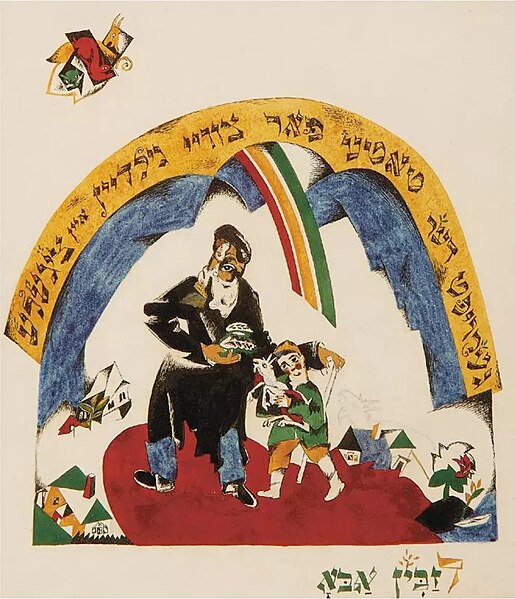
At the celebratory conclusion of the Passover Seder, participants sing an Aramaic folk song called “Chad Gadya,” literally meaning “one baby goat.” This lively cumulative tune recounts an escalating chain of events beginning with the death of a goat and building verse by verse to end with God defeating the Angel of Death.
The cyclic unwinding of the song’s consequences has been interpreted to represent the cyclical rise and fall of nations throughout history, ultimately giving way to the final redemptive age. Despite calamities along the way, Chad Gadya’s upbeat melody underscores the resilience of the Jewish people and the assurance that darkness leads to light.
15. Counting the Omer
On the second night of Passover, Jews begin a 49-day period known as the Counting of the Omer, which ends on Shavuot, the holiday celebrating the reception of the Ten Commandments at Mount Sinai. According to tradition, this seven week stretch is a time for spiritual growth and reflection in preparation for Shavuot.
A special blessing is recited each evening as the Omer is counted, tracking the progression towards the giving of the Torah. Just as the Israelites transformed from slaves to free people during these 49 days after the Exodus, Jews today use this time for introspection, study, and conscious moral development to become worthy of renewing the covenant.
The Passover traditions celebrated for thousands of years carry powerful messages of hope and liberation that still resonate today. Whether honoring the Exodus through stories and song or gathering with loved ones to partake in symbolic foods, Passover connects us to something greater—the profound resilience of the human spirit. Though the specific customs may evolve across generations, Passover will endure as a vivid reminder that oppressive forces can be overcome through conviction, unity and unshakeable faith. That communal power first wrought miracles for the Israelites; now, it lends courage to all who still suffer.
Planning a trip to Â鶹APP ? Get ready !
These are ´¡³¾²¹³ú´Ç²Ô’²õÌý²ú±ð²õ³Ù-²õ±ð±ô±ô¾±²Ô²µÂ travel products that you may need for coming to Â鶹APP.
Bookstore
- The best travel book : Rick Steves – Â鶹APP 2023 –Ìý
- Fodor’s Â鶹APP 2024 –Ìý
Travel Gear
- Venture Pal Lightweight Backpack –Ìý
- Samsonite Winfield 2 28″ Luggage –Ìý
- Swig Savvy’s Stainless Steel Insulated Water Bottle –Ìý
We sometimes read this list just to find out what new travel products people are buying.


