
 English


A statue of a man at Archaeological Museum of Thessaloniki. Photo by Carole Raddato.
Top 10 Remarkable Facts about Archaeological Museum of Thessaloniki
Thessaloniki Archaeological Museum is one of Greece’s largest museums, located in Thessaloniki, Central Macedonia. The building was designed and built by architect Patroklos Karantinos in 1962, and it is an excellent example of modern architectural trends in Greece. A new wing was added in 1980 to house the Vergina finds until 1997. The museum’s exhibits were extensively renovated and reorganized between 2001 and 2004.
Thessaloniki Archaeological Museum takes visitors on a journey through Ancient Macedonia, examining the lives of its citizens, their ideologies, and their culture from Neolithic times to the Mycenaean and Roman periods.
The Thessaloniki Archaeological Museum, which displays artifacts ranging from daily tools to burial pieces and ideological paraphernalia to gold, provides insight into the lives of those who lived in Ancient Macedonia from its inception to the present day.
The Thessaloniki Archaeological Museum has five exhibits in total, which are organized chronologically and include multimedia presentations and audio guides.
1. It was the independent Greek state’s first museum
The National Archaeological Museum, founded in 1829, was the first museum of the independent Greek state. It was originally located in Aegina, the country’s first capital, but it was relocated to Athens after the capital was transferred to Athens in 1834. The museum officially opened its doors in 1889. At the time, its permanent collections included pieces from the Prehistoric Antiquities Collection and the Sculpture Collection.
2. It is the largest archaeological museum in Greece

Archäologisches Museum Thessaloniki Photo by Herbert Frank
Five permanent collections and several permanent exhibitions are housed at the National Archaeological Museum of Athens. Its premises, located in the heart of Athens, cover an area of 8,000 m2 and are divided into dozens of halls that display artifacts from all the different places where the Greek civilization flourished. Its collections contain approximately 11,000 exhibits ranging from prehistory to late antiquity.
3. The museum is housed in a 19th Century neoclassical building
The prominent structure is located on Patission Street, near Omonia Square. The museum’s building, designed by German architect Ludwig Lange and built by Ernst Ziller, the famous designer of several Greek royal and municipal buildings, has its own historical significance.
4. It features a marvelous garden
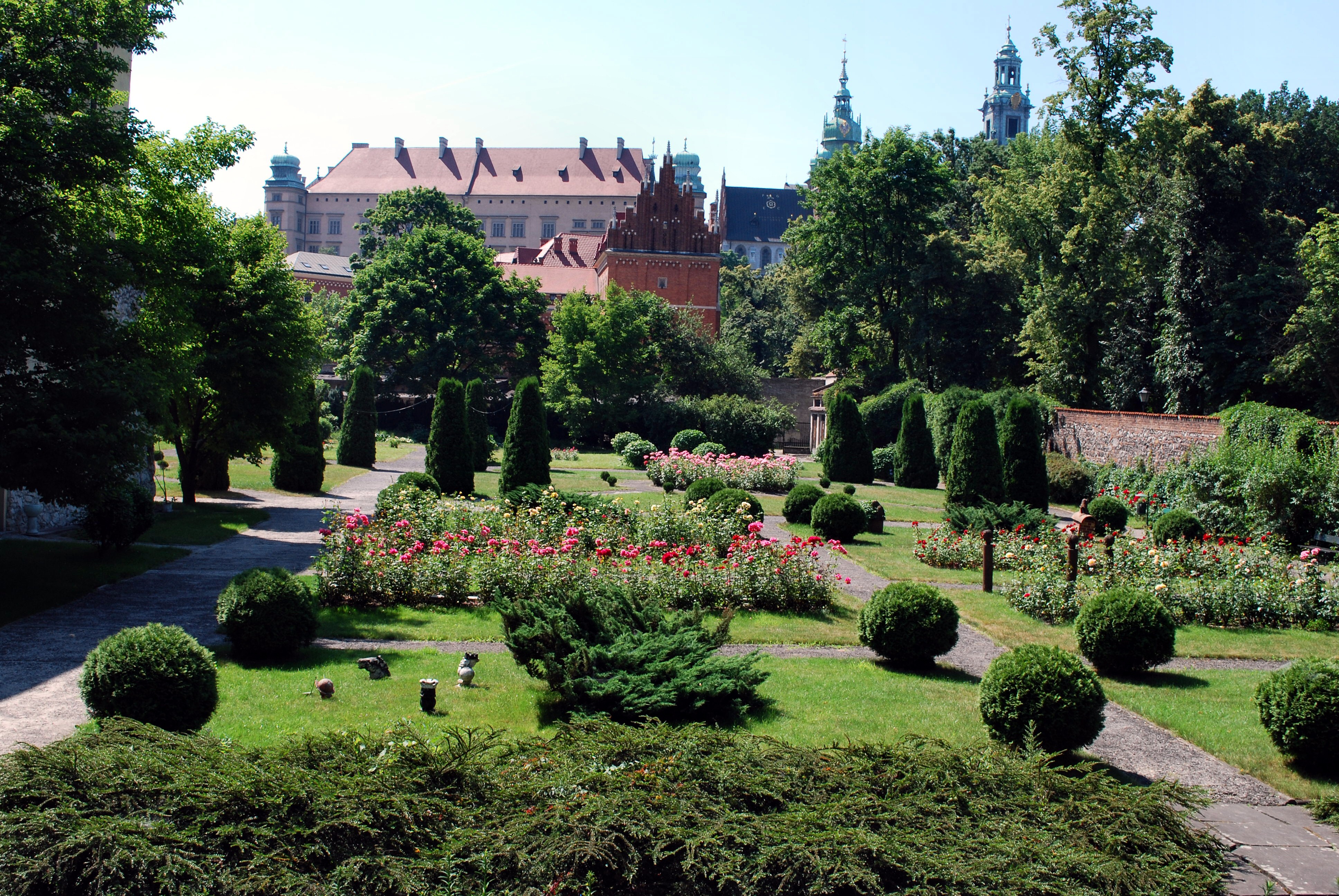
Ogród Muzeum Archeologicznego Photo by Delimata
A spectacular garden with over 6,000 indigenous plants spans the area in front of the National Archaeological Museum. The garden, which was renovated in 2020, is divided into three sections: botanical walks, “Arcadian landscape,” and olive tree hill. Every plant and tree in the garden today is related to Greek history and aims to connect classical Greek culture with contemporary Greek creation.
A 1,300-year-old olive tree, cypress trees, myrtles, thyme, oregano almond trees, and vines can be found as you walk around.
5. It displays major permanent collections

Archaeological Museum of Thessaloniki, Greece Photo by Tilemahos Efthimiadis
The museum’s permanent collections cover a wide period of time in history, starting from the 6th millennium. Specifically, the five collections are The Collection of Prehistoric Antiquities, The Collection of Sculpture Works, The Vase and Miniature Collection, The Collection of Metalworking Works, and the Greece collection of Egyptian and Eastern Antiquities. Covering different eras of antiquity, the impressive collections feature noteworthy artifacts and sculptures that bear testimony to the world’s history.
6. The oldest archaeological library is hosted at the museum

Archaeological Museum of Thessaloniki, Greece Photo by Tilemahos
Aside from its outstanding collections, the National Archaeological Museum also houses one of the most important archaeology libraries. It houses over 20,000 books on Greek and Latin literature, archaeology, art history, and ancient philosophy.
Furthermore, it houses important archival material from excavations and original archaeological finds from the nineteenth and early twentieth centuries. The museum’s photo archive is the Archaeological Service’s oldest and most extensive. It consists of negative photographs and photographs, color negatives and photographs, and slides of the museum’s objects.
7. It has a serene café and shop
The elegant café of the museum is located in the garden and welcomes visitors to its stylish indoor and outdoor areas. It frequently hosts artworks, musical performances, and other events in order to serve as a platform for expression and dialogue between artists and the audience. It provides the ideal setting for a pit stop and relaxation away from the hustle and bustle of the city center.
8. The statue of Alexander is being examined in its laboratory

The Statue of Alexander the Great Photo by Nikolai Karaneschev
In February 2010, Greek authorities arrested two men who were found in possession of various antiquities. This included a bronze statue of Alexander, which was possibly a work of Lysippos. If confirmed, it would be the first original work of Lysippos ever found. Scientists within the laboratory of the museum are examining the find with the aim of confirming or denying its authenticity
9. It displays famous Macedonian artifacts

Silver coins from Macedonian cemeteries Photo by Tilemahos Efthimiadis
In the Manolis Andronikos Room, there is an exhibition titled The Coins of Macedonia from the Sixth Century to 148 BC, which includes examples of coins that circulated in Macedonia during that time period. A showcase in the museum’s lobby displays some finds from the excavation of the Neolithic settlement of Makrygialos in Pieria, along with information about the excavation’s progress.
The Gold of Macedon exhibition in the new wing includes finds from numerous excavations in Central Macedonia. It presents the culture of Macedonia from the 6th century BC to 148 BC, discussing the use of gold (jewelry, sartorial decoration, gilding of objects and vessels, coins), the technology of the manufacture of gold jewelry, and gold mining techniques. There have also been numerous finds from cemeteries, as well as numerous descriptions of their role in burial customs.
10. The museum offers a self-guided audio tour
With a skip-the-line e-ticket and a fascinating self-guided audio tour on your smartphone, you can explore the National Archaeological Museum at your own pace.
The ticket is delivered via email, and an app can be downloaded to enable the audio tour on your phone prior to your visit. Travel back in time to admire masterpieces from various antique periods on display at the National Archaeological Museum.
Through the power of storytelling, headphones can be used to discover the mask of Agamemnon, the Mycenaean bull, the bronze statue of Zeus or Poseidon, and the horse rider, and learn historical information as well as uncommon stories and anecdotes from ancient times.
The tour’s content is the result of extensive research, which has been condensed into short original stories that will make your visit both engaging and informative. The audio tour can be listened to again and again, before or after your visit.
Planning a trip to Â鶹APP ? Get ready !
These are ´¡³¾²¹³ú´Ç²Ô’²õÌý²ú±ð²õ³Ù-²õ±ð±ô±ô¾±²Ô²µÂ travel products that you may need for coming to Â鶹APP.
Bookstore
- The best travel book : Rick Steves – Â鶹APP 2023 –Ìý
- Fodor’s Â鶹APP 2024 –Ìý
Travel Gear
- Venture Pal Lightweight Backpack –Ìý
- Samsonite Winfield 2 28″ Luggage –Ìý
- Swig Savvy’s Stainless Steel Insulated Water Bottle –Ìý
We sometimes read this list just to find out what new travel products people are buying.


