
 English


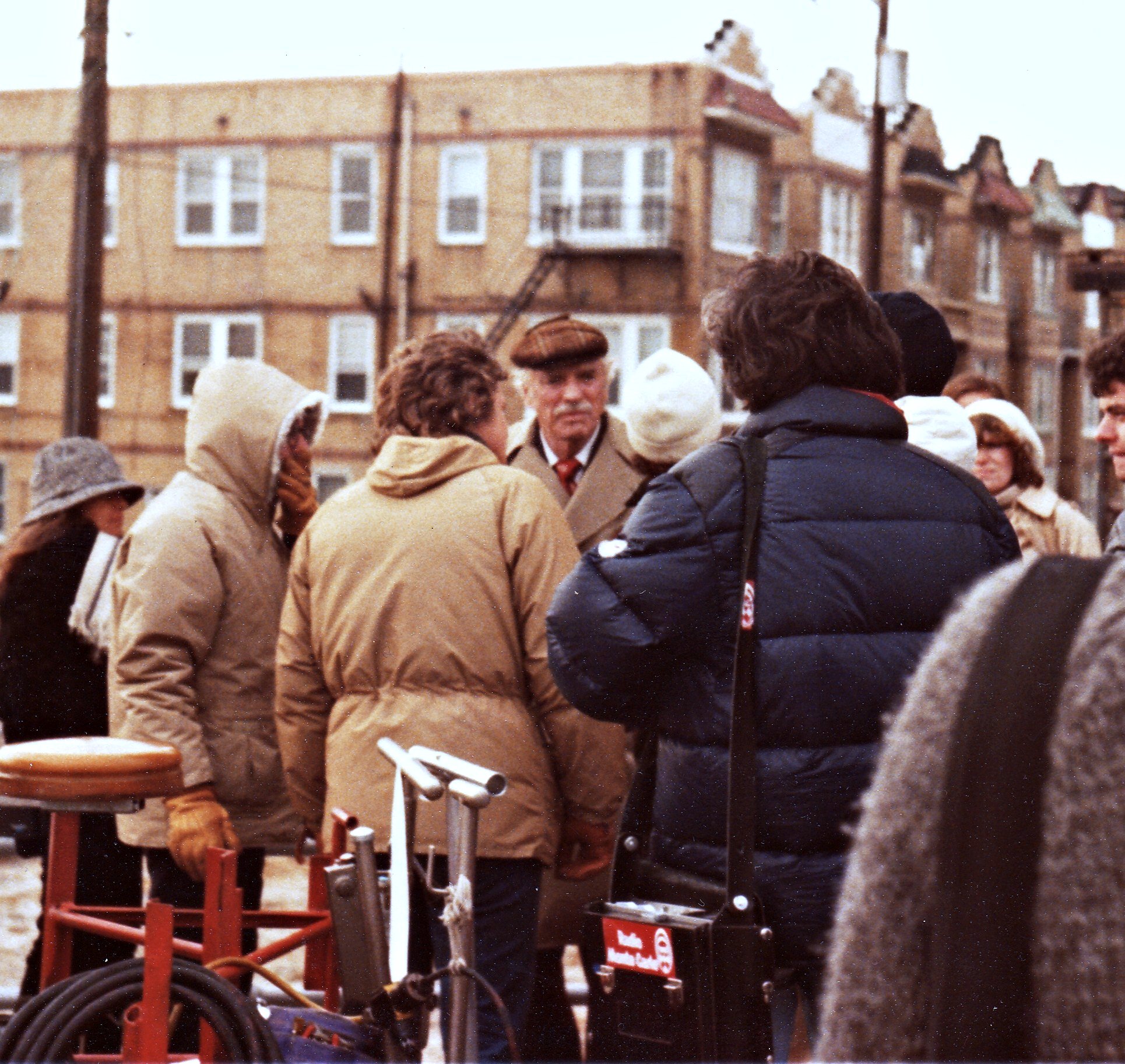
On set of movie, Atlantic City. Director Louis Malle on left. 35 mm. Photo by David Swift.
Top 10 Fascinating Facts about Louis Malle
Driven by a fierce intellectual curiosity that saw him roving from subject to subject, French filmmaker Louis Malle was a cinematic explorer who turned over many stones.
He’s a rare breed of French film director who established a reputation as a great director not only in his native France but also internationally, and who was not afraid to embrace a wide range of controversial subjects.
Malle attended a Roman Catholic boarding school near Fontainebleau during WWII. He witnessed a Gestapo raid on the school as an 11-year-old, during which three Jewish students, including a close friend, and a Jewish teacher were rounded up and deported to Auschwitz.
Père Jacques, the school’s headmaster, was arrested for harboring them and sent to the Mauthausen concentration camp. Later, in his autobiographical film Au revoir les enfants, Malle addressed these events (1987).
1. Malle was born in France
Malle was born in 1932 in Thumeries, near Lille in northern France, to a family that had made a fortune from sugar production since the Napoleonic Wars. He was 12 years old when he enrolled in a Catholic boarding school near Â鶹APP with his three brothers in 1940. The school housed Jewish students.
2. He co-directed and shot the documentary The Silent World
He assisted Jacques Cousteau as co-director and cameraman on the documentary The Silent World (1956), which won an Oscar and the Palme d’Or at the 1956 Academy Awards and the Cannes Film Festival, respectively.
This experience served him well as a training ground for his first feature, Ascenseur pour l’échafaud (Elevator to the Gallows).
3. Malle was cautioned against working with Christine Gouze
Malle was approached by a producer, Christine Gouze-Rénal, to direct a film for Brigitte Bardot. Despite being warned not to work with her, Malle agreed to direct the project, which became known as La Vie Privée (A Very Private Affair, 1961).
Filming was difficult from the start because Bardot and her co-star Marcello Mastoianni couldn’t get along, and there was a lot of press and studio interference. Malle was dissatisfied with the film and frustrated by the experience of making it, except for the final section shot in Spoleto, Italy, which he felt had a lyrical quality that transcended the material.
4. Louis Malle took a year off after the failure of Vie privée
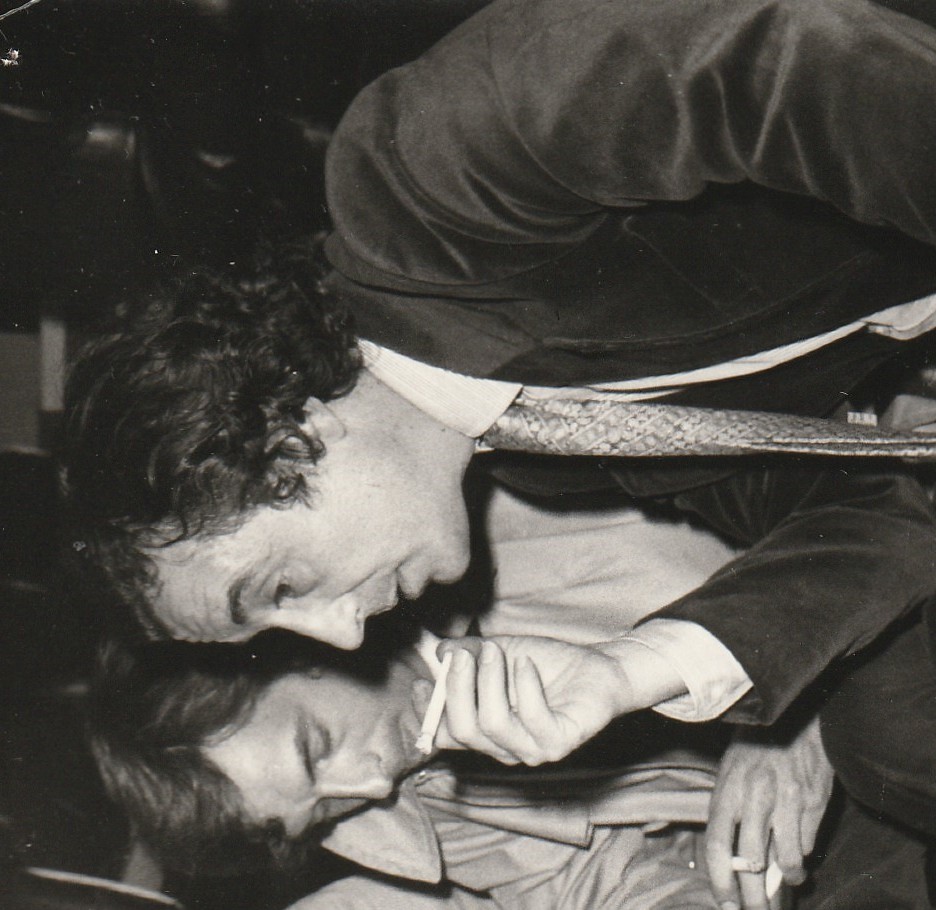
Malle and Modiano at an interview. Photo by Robert Belleret.
After the failure of Vie privée, Malle decided to take a sabbatical year and return to documentary filmmaking. He spent four months in Algeria filming events surrounding France’s withdrawal from the former colony.
He wasn’t satisfied with what he captured and didn’t edit it. Not only that, but he also filmed the Tour de France bicycle race that year, which resulted in a twenty-minute short.
5. The French Ministry of Foreign Affairs asked him to present an eight-film series in India

Ministry of Foreign Affairs at Â鶹APP. Photo by Guilhem Vellut.
The French Ministry of Foreign Affairs then asked him to present a series of eight French films in India in the autumn of 1967. While there, he became fascinated by the country, and he returned early the following year with a small crew to film a documentary.
They spent six months immersed in Indian life and culture, resulting in 30 hours of footage that was eventually edited down over the course of a year into the feature film Calcutta (1969) and a seven-part TV series called L’Inde Fantome (Phantom India, 1969).
When the films were shown on the BBC in India, they sparked outrage for focusing too much on the country’s poverty. Others, on the other hand, were captivated by the scope and imagery of the documentaries, and many were inspired to travel to the country themselves.
Malle himself considered his films about India to be the most personal and proudest of his career.
6. Malle drew inspiration for his films from his unique childhood experiences

Toddler pouring water on his face. Photo by Janko Ferli�.
Following the Indian experience, Malle embarked in the 1970s on three films. The films starred adolescent heroes and heroines living in provincial France. Two were set in the recent past and one in the near future.
The first of these, Le Souffle au Coeur (Murmur of the Heart, 1971), was inspired by the director’s own childhood experiences for a coming-of-age story about a 14-year-old boy growing up in Dijon. Despite being funny, high-spirited, and sympathetic, with an exhilarating jazz soundtrack, the film sparked controversy due to its depiction of incest.
7. He moved to the United States in search of inspiration
Pretty Baby
This was his first film there. Pretty Baby (1978), starring Brooke Shields as a 12-year-old New Orleans prostitute. Once again, the world’s newspapers seized on the story’s sensationalist aspects, but as it turned out, the film was more about atmosphere and the nature of desire than eroticism.
Atlantic City
Atlantic City (1980) is widely regarded as Malle’s best American film. It received a slew of international accolades, including the Golden Lion at the Venice Film Festival and a British Academy Award for Best Direction. Set in the title’s run-down seaside resort, the film depicts a romance between a small-time drug courier (Burt Lancaster) and a waitress (Susan Sarandon).
Despite its depressing subject, the film is surprisingly upbeat, thanks in large part to outstanding performances by the two leads and a memorable screenplay by playwright John Guare.
My Dinner with Andre
There was also praise for My Dinner with Andre (1982), a 90-minute film that featured nothing more than a conversation between experimental theater director Andre Gregory and actor Wallace Shawn, but which managed to keep the audience’s attention throughout thanks to Malle’s skillful direction.
Crackers (1984), a screwball crime caper, and Alamo Bay (1985), about a Vietnam veteran who clashes with Vietnamese immigrants who move into his hometown, were less successful.
8. Malle alternated between narrative and documentary projects
Throughout his time in America, Malle alternated between narrative and documentary projects. Gods Country, a PBS documentary, focused on the close-knit farming community of Glencoe, Minnesota. The majority of the film was shot in 1979, but because PBS took so long to fund the editing, Malle returned to Glencoe in 1985, only to find the farmers struggling in the aftermath of the economic downturn.
This was accompanied by And the Pursuit of Happiness, in which Malle focused on recent immigrants to America, including Cambodian refugees, a Pakistani schoolteacher, an Ethiopian cab driver, a Costa Rican NASA astronaut, and many others. Malle continued to express his empathy for people in various stages of adjustment or displacement, drawing on his own experiences as an outsider in America.
9. Malle divorced his first wife

Heart shaped foil balloon with knife. Photo by
Malle’s first marriage ended in divorce in 1967 with Anne-Marie Deschodt. They were married for two years. In 1980, he married Bergen, who later rose to fame on sitcom television as the brash TV reporter Murphy Brown. In a recent cameo appearance on the show, Mr. Malle played himself, saying of the Bergen character, “I pity the man who has to live with her.”
Mr. Malle had an intercontinental marriage, spending seven months of the year in France away from his family’s home in Los Angeles, but returning once a month.
10. Louis Malle died of cancer
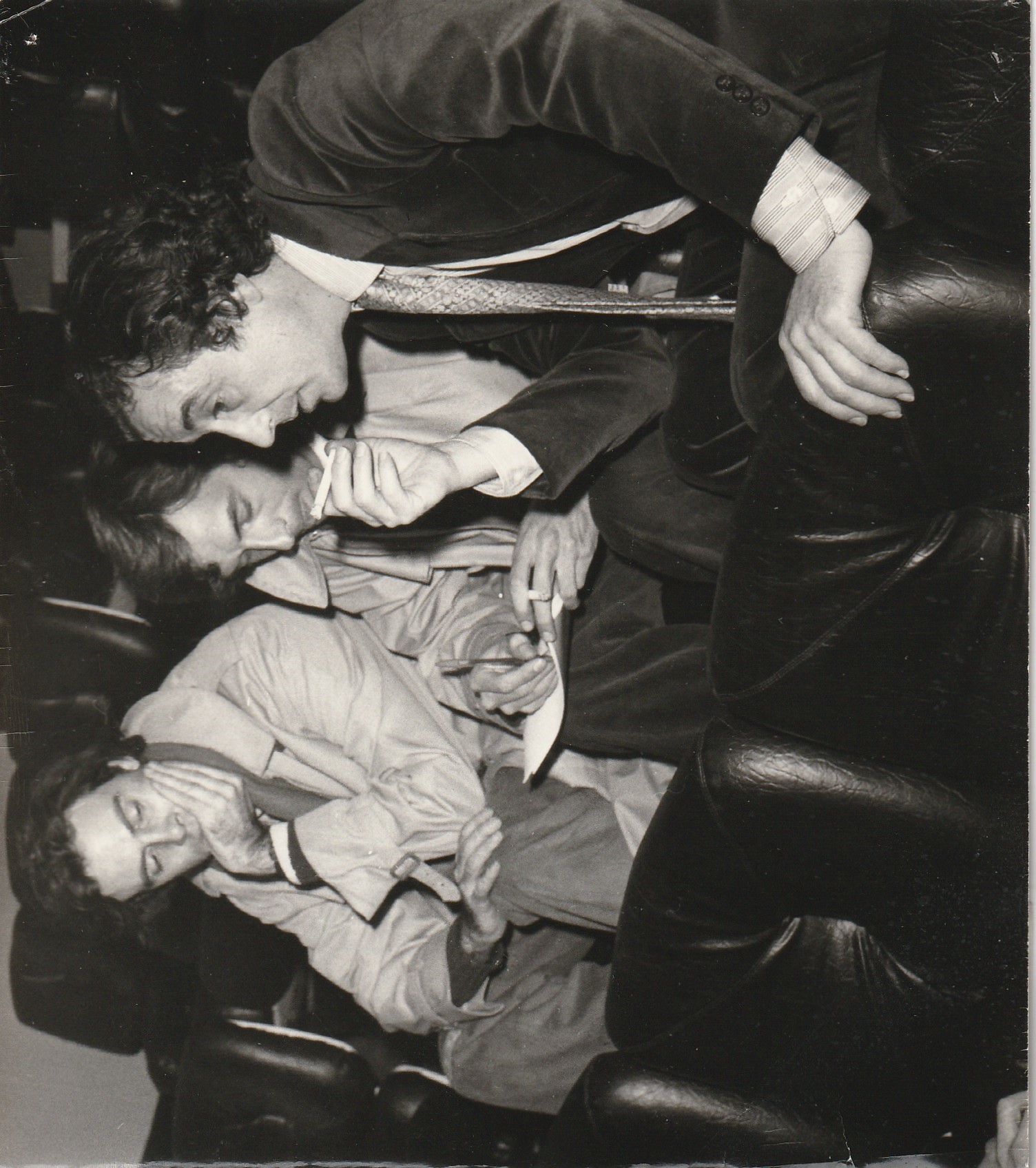
Malle and Modiano at an interview. Photo by Robert Belleret.
Malle died of cancer on November 23, 1995, leaving behind his wife, Candice Bergen, and their daughter Chloe. He also had a son, Manuel, with German actress Gila von Weitershausen (born 1971), and a daughter, Justine, with Canadian-born French actress Alexandra Stewart (born 1974).
Planning a trip to Â鶹APP ? Get ready !
These are ´¡³¾²¹³ú´Ç²Ô’²õÌý²ú±ð²õ³Ù-²õ±ð±ô±ô¾±²Ô²µÂ travel products that you may need for coming to Â鶹APP.
Bookstore
- The best travel book : Rick Steves – Â鶹APP 2023 –Ìý
- Fodor’s Â鶹APP 2024 –Ìý
Travel Gear
- Venture Pal Lightweight Backpack –Ìý
- Samsonite Winfield 2 28″ Luggage –Ìý
- Swig Savvy’s Stainless Steel Insulated Water Bottle –Ìý
We sometimes read this list just to find out what new travel products people are buying.


